




























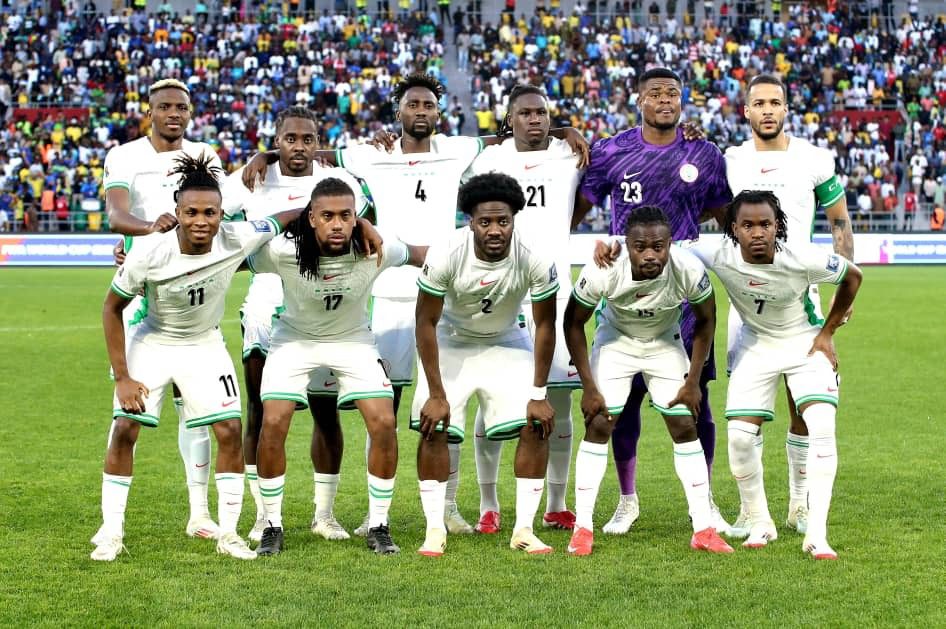
Nigeria national Football team will on Tuesday discover the teams they will face in the qualification race for the 2027 Africa Cup of Nations as the Confederation of African Football prepares to conduct the official draw in Cairo, Egypt.
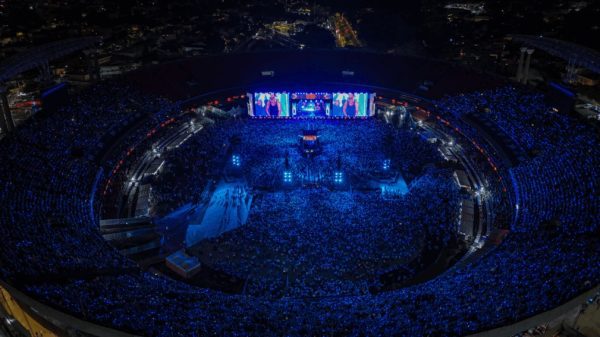
The qualification draw is scheduled to hold at the headquarters of the Egyptian Football Association ahead of the tournament, which will be jointly hosted by Kenya, Tanzania and Uganda.
The competition, tagged AFCON PAMOJA 2027, is already attracting attention as it will become the first edition of the Africa Cup of Nations to be hosted by three countries.
The tournament itself is expected to run from June 19 to July 17, 2027, while the qualification series will begin months earlier across different FIFA international windows.
Nigeria heads into the qualifiers as one of Africa’s most successful football nations, having lifted the AFCON trophy three times in 1980, 1994 and 2013. The Super Eagles also reached the final in 2023 and secured a third place finish in 2025.
CAF confirmed that 48 countries, including the three host nations, will participate in the qualification campaign. The teams will be divided into 12 groups containing four countries each, with the top two teams from every group earning automatic qualification for the tournament.
However, because the host nations have already secured places at the finals, only one extra team will qualify from any group containing Kenya, Tanzania or Uganda.
According to CAF, the qualifiers will take place between September 2026 and March 2027. Matchdays one and two are scheduled for September 21 to October 6, 2026, while the third and fourth rounds will be played from November 9 to November 17, 2026. The final qualification fixtures are expected to hold between March 22 and March 30, 2027.
CAF also noted that the tournament presents a major opportunity for the East African nations involved, with expectations that AFCON 2027 will help boost tourism, infrastructure growth and international investment across the region while showcasing their football culture to the rest of the continent.