






































Nigeria has deployed more than 10,000 professionals to countries across Africa, the Caribbean and the Pacific through the Nigerian Technical Aid Corps since the agency was established in 1987.
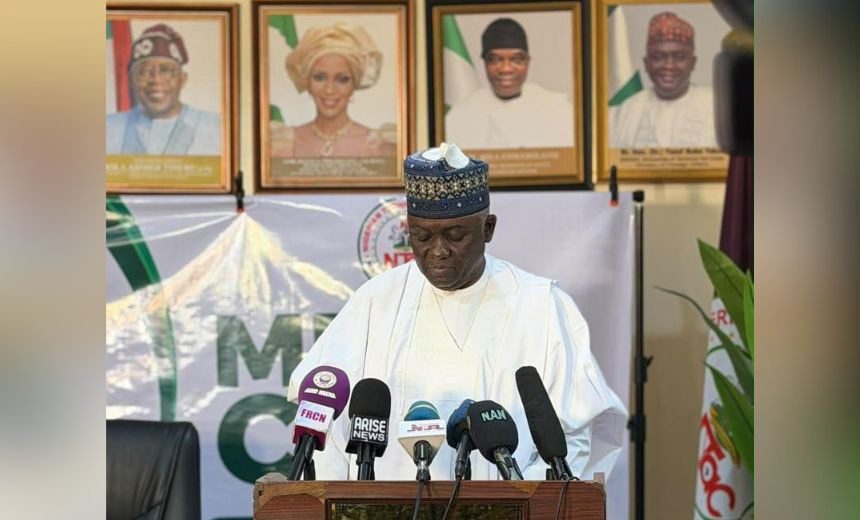
The Director General and Chief Executive Officer of NTAC, Rt. Hon. Yusuf Buba Yakub, disclosed this during a media interaction in Abuja on Thursday, where he reviewed the agency’s achievements and outlined plans for its future.
Yakub said Nigerian professionals had served in more than 40 countries, contributing their expertise in areas such as medicine, education, engineering, agriculture, law, science and technology.
He described the Technical Aid Corps as an important part of Nigeria’s foreign policy and soft power diplomacy, noting that the programme has allowed the country to share its human resources and professional knowledge with partner nations.
According to him, the agency’s activities under the present administration are aligned with President Bola Tinubu’s 4 D Foreign Policy framework, which focuses on Democracy, Development, Demography and Diaspora.
He said his administration at NTAC is also guided by a 3 R agenda centred on Repositioning, Retooling and Re engineering the Corps to improve efficiency and service delivery.
Yakub identified the renewed focus on the Technical Aid Corps Scheme as one of the major achievements of the current management. He said the agency has continued to coordinate the deployment and return of Nigerian professionals serving in partner countries.
The welfare of volunteers, he added, has also received greater attention, with improvements in arrangements covering allowances, deployment, monitoring, debriefing and reintegration.
The NTAC chief said Nigerian volunteers have continued to contribute to sustainable development in their host countries, particularly through their work in healthcare, education, engineering, agriculture and law.
He also pointed to cases where Nigerian professionals have risen to senior positions in foreign institutions, including universities and legal establishments.
Yakub described the volunteers as ambassadors of Nigeria, saying their professional conduct and contributions can strengthen the country’s image and deepen diplomatic relations with partner nations.
He explained that Nigeria’s diplomacy extends beyond official meetings and diplomatic engagements, with Nigerian professionals also playing an important role in building relationships through their work abroad.
On international cooperation, Yakub said NTAC was strengthening Nigeria’s South South Cooperation agenda by promoting knowledge sharing and mutually beneficial partnerships with countries across Africa, the Caribbean and the Pacific.
He disclosed that the agency was also exploring structured skilled labour mobility programmes that would allow countries in need of Nigerian expertise to engage qualified professionals through a more organised process.
Jamaica, he said, has expressed interest in engaging hundreds of Nigerian professionals, which he described as an indication of the continued demand for Nigerian skills and expertise abroad.
Yakub said NTAC would continue working to expand opportunities for Nigerian professionals while ensuring that their deployment contributes to both Nigeria’s foreign policy objectives and the development needs of partner countries.







