























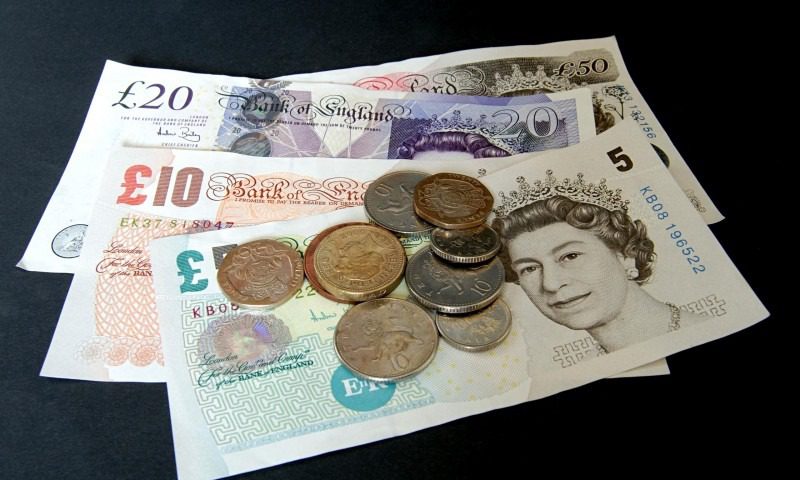
The British Pound is holding its ground against the Nigerian Naira as trading kicks off this Monday, March 16, 2026. Following a similar pattern seen with the US Dollar, the Pound Sterling is currently in a phase of consolidation. This steadying of the market comes as the Nigerian Foreign Exchange Market reacts to the latest liquidity strategies introduced by the Central Bank of Nigeria to manage currency volatility.
Market data gathered by Reports shows the British Pound trading at an average of 1,838.89 within the official window. While the morning session saw some minor movement—at one point peaking around 1,841.17—the rate has largely hovered near the 1,839 mark. This relative stability is a notable shift from the dramatic fluctuations experienced in late February, suggesting that improved reserve levels are successfully helping to absorb sudden spikes in market demand.
In the parallel market, the exchange rate continues to command a slight premium, driven by the immediate availability of cash for retail transactions. On the streets of major financial hubs like Broad Street in Lagos and Wuse Zone 4 in Abuja, Bureau De Change operators are currently quoting the Pound at 1,855 for buying and 1,870 for selling. Although a gap remains between the official and parallel rates, the spread is considerably narrower than the wide margins seen at the start of the year.
Financial experts point out that the Pound’s resilience is bolstered by stable interest rates in the UK, which keep the currency attractive to international investors. On the home front, the Naira’s trajectory is under close watch as the market looks ahead to the upcoming Monetary Policy Committee meeting. For the time being, the market seems to have found a temporary floor for the Pound, with rates settling between 1,830 and 1,870 across the various trading segments.
For importers and travelers looking for a reference point, the most recent closing rates from the Central Bank stood near 1,815.12. However, those active in the market today should be prepared to pay a premium ranging from 24 to 50 Naira above that figure, depending on where they source their liquidity.