



























In the quiet corners of Sokoto State, the usual buzz of preparation for the holy month of Ramadan is being met with a newfound sense of resilience. Known as the spiritual heart of Islam in Nigeria, the state is currently navigating a delicate balance between its deep-rooted traditions and the lingering shock of the Christmas Day air strikes carried out by the United States. While the region has historically been a sanctuary of relative peace compared to its neighbors, the recent military action against extremist enclaves has left the community looking toward this season of fasting as a necessary period for healing.
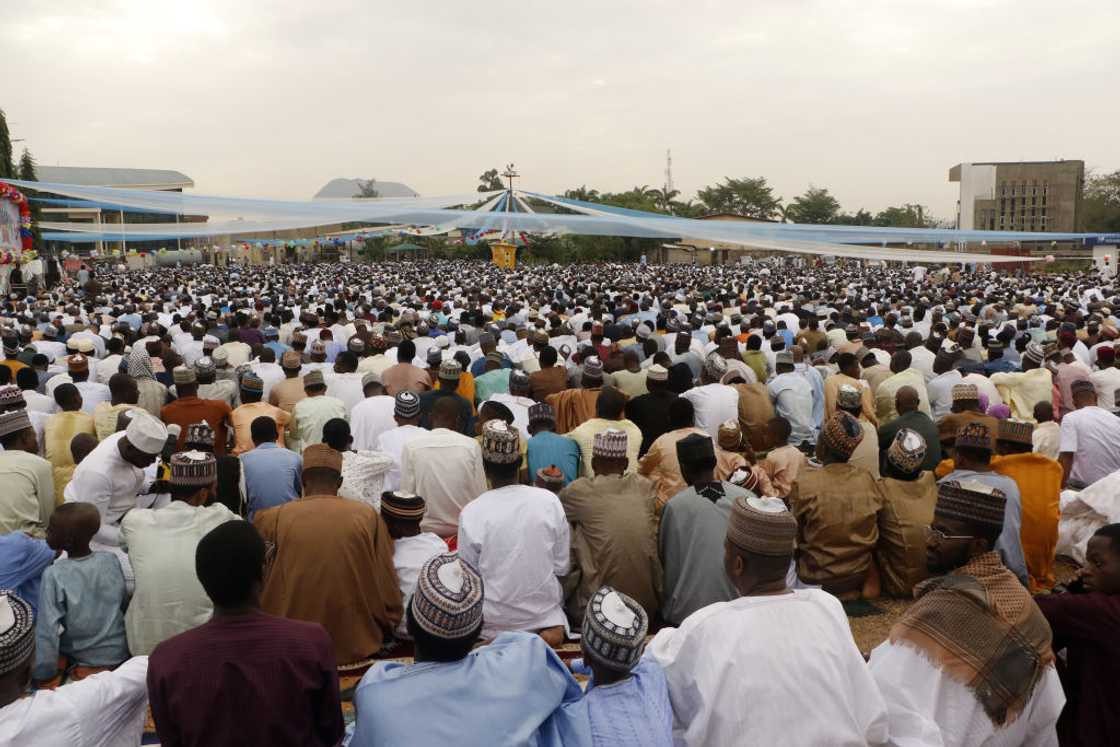
The atmosphere at the Abu Hurairah central mosque in the state capital remains vibrant despite the underlying tension. During a recent visit by reporters, the mosque was filled to capacity with worshippers of all ages who braved the intense heat to gather for Friday prayers. The message from the pulpit was clear and timely, focusing on the pillars of brotherhood, charity, and communal unity. For many in attendance, the suddenness of the December strikes—which targeted insurgent hideouts just 75 kilometers away—served as a wake-up call, but the prevailing sentiment remains one of cautious hope.
Ahmad Mustapha, a local doctor, shared the concerns of many residents who are still processing the rare occurrence of explosions in their backyard. He noted that while such violence was once a distant memory from the height of the Boko Haram era, the community is now praying more fervently than ever for a permanent end to the insurgency. There is a collective desire among the people of Sokoto to ensure that the peace they have long enjoyed is not permanently disrupted by the shifting dynamics of regional conflict.
Life in the city, however, refuses to grind to a halt. The central market continues to bustle with activity as shoppers navigate heavy traffic to stock up on essentials for the fast. Even late into the evening, the streets remain alive with open businesses and religious leaders gathering for workshops to prepare the faithful for the spiritual journey ahead. Despite the presence of groups like the Lakurawa and their debated ties to international networks, local traders like Aminu Muhammad maintain that life is proceeding as normal, with many refusing to let fear dictate their holiday preparations.
Recognizing the economic hardships and the impact of regional instability, the state government recently stepped in with aid. Governor Ahmad Aliyu Sokoto announced the distribution of food and cash support to families affected by the wave of banditry that has touched the wider region. While statistics show that a significant portion of the population continues to struggle with poverty, these gestures of support are seen as vital lifelines for a community determined to observe the holy month with dignity and a renewed plea for lasting security.