



































Sun King Deepens Kenya Smartphone Push With Under $1-a-Day EZ 3 Series
Sun King is widening its smartphone play in Kenya with the EZ 3 and EZ 3 Pro, barely a year after it first stepped into the market. The solar firm is trying to turn the same distribution and financing machinery that built its off-grid business into a wider consumer technology offering.
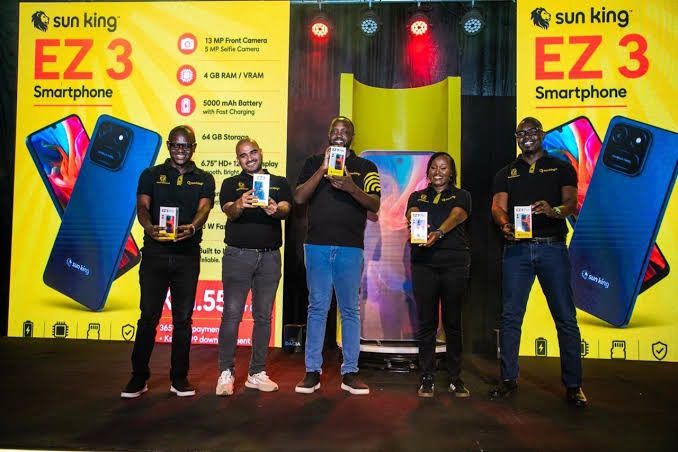
The two phones were unveiled Thursday, taking the branded lineup from a single model to a pair. The EZ 3 is priced from KES 55 a day after a KES 2,299 deposit, cheaper than the EZ 1, which asked for KES 60 a day and a KES 2,999 deposit. The EZ 3 Pro starts at KES 65 a day with a KES 3,099 deposit.
That shift looks less like a cautious trial and more like a planned product range. Instead of hanging the whole strategy on one device, Sun King is offering a mainstream phone and a higher spec version while cutting the daily cost of the volume model. Years of selling affordable solar in Kenya left the company with agents, customers and a habit of collecting small recurring payments. Phones are another product that network can carry.
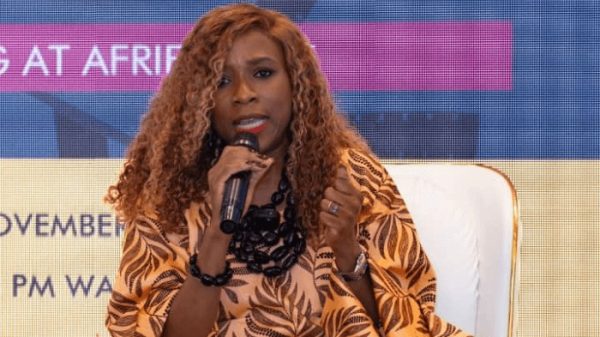
Catherine Mudachi, Sun King’s global vice president for marketing, told the launch that one in five Kenyan households already has a Sun King product, and that the company installs more than 330,000 solar kits every month across Africa. That footprint is the real edge. The firm does not have to invent a new sales model from scratch.
Whether reach becomes phone sales is another matter. Kenya is crowded with brands that fight hard on price, features and shop-floor presence. M-KOPA and mainstream manufacturers also sell on pay as you go, so cheap daily rates alone will not decide it.
The EZ 3 is pitched at everyday buyers: a 6.75-inch HD+ screen, 120Hz refresh, 4GB of RAM plus 4GB virtual, 64GB storage expandable to 1TB, a 13-megapixel rear camera and a 5,000mAh battery. The EZ 3 Pro steps up with a 50-megapixel camera, 6GB of RAM, 128GB storage and a 6,000mAh battery with 18W fast charging.
The more important move is the two-phone shelf. The EZ 1 arrived in February as Sun King’s first own-brand handset in Kenya. Shoppers now choose between a cheaper everyday set and a Pro they can pay more for. Pay as you go was already part of the EZ 1 story. What is new is cheaper entry on the main model, more hardware for the money, and a proper range.
That is the solar playbook applied to handsets: stretch the cost over time and let local agents find people who cannot drop a lump sum. On phones the margin for error is thinner because name recognition and retail are already strong among rivals. Still, an existing customer base is not a small thing.
Solar was about electricity. A phone opens mobile money, trading, maps for boda-boda work, customer chats, content and online jobs. For a company already tied to millions of households, that sits next to the core business rather than far outside it.
The EZ 3 series is not Kenya’s first pay as you go smartphone from Sun King. The EZ 1 proved the model. This launch is about a second device, a lower bar on the mass-market phone, and a bet that solar-scale distribution, daily payments and existing relationships can support another consumer category. Globally the company says it has sold more than 31 million solar products. In Kenya it claims one in five homes. The test is whether that same channel can sell phones in a market where people are buying more smartphones and fighting for them is already fierce. For Sun King the story is larger than two new handsets. It is a wager on the financing, agents and trust that built the solar business.







