
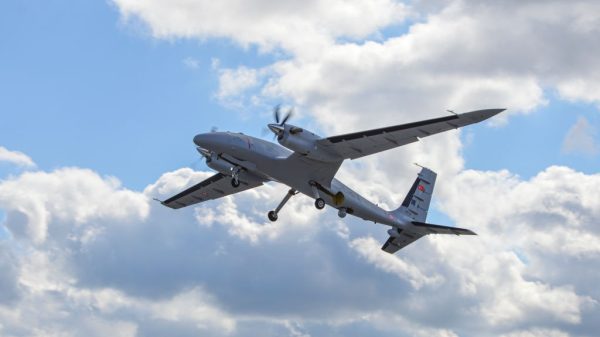






The global political landscape has been thrown into turmoil following a daring pre-dawn military operation by the United States in Caracas, which led to the capture of Venezuelan President Nicolás Maduro and his wife, Cilia Flores. The dramatic arrest, which involved precision air strikes and a lightning ground assault, ended with Maduro being flown to New York City. On Monday, January 5, 2026, he is expected to be formally arraigned in a federal court on serious charges of narco-terrorism and weapons trafficking.
The White House has since released footage showing a handcuffed Maduro being led through a federal facility, a visual intended to signal a definitive end to his regime. President Trump has already begun “designating people” from his cabinet to oversee affairs in Venezuela, indicating that the U.S. plans to maintain a presence in the country for the long haul. A primary focus of this intervention appears to be Venezuela’s massive oil reserves the largest in the world with Trump announcing plans for American oil companies to invest billions to “fix the badly broken infrastructure” and resume large-scale exports.
However, the international reaction has been one of deep concern and sharp condemnation. China has “strongly condemned” the operation, describing it as a blatant violation of international law and a threat to regional peace. French officials and the United Nations Secretary-General, António Guterres, have also raised alarms, warning that the use of military force to impose a political transition sets a “dangerous precedent” that ignores the UN Charter’s principles of sovereignty.
Even within the African continent, bodies like ECOWAS and the African Union have called for extreme restraint. In a statement released Sunday, ECOWAS reminded the global community that while fighting international crime is necessary, it does not justify violating a nation’s territorial integrity. They joined a growing chorus of voices urging for inclusive dialogue among Venezuelans rather than a solution dictated by external military power.
Amidst the chaos, the humanitarian perspective has come to the forefront. Pope Leo XIV, during his Sunday Angelus prayer, appealed for the welfare of the Venezuelan people to be the top priority. He emphasized that any path forward must respect human rights and protect the poorest citizens who are already struggling under a collapsing economy. As the world watches the legal proceedings unfold in New York, the fundamental question remains whether this intervention will lead to lasting stability or trigger further violence in South America.