














Uganda announced Sunday that social media platforms would remain blocked, even as the broader internet was restored following the declaration of President Yoweri Museveni as the winner of the national elections.
The internet blackout had begun two days before Thursday’s polls, with authorities citing the need to curb “misinformation” ahead of the vote. The United Nations described the shutdown as “deeply worrying,” raising concerns about freedom of expression during the electoral process.
While the country was largely calm after the results were announced, AFP journalists reported small-scale protests in Kampala on Saturday, with tear gas deployed in some areas of the capital. By Sunday morning, however, the security presence had eased considerably, with streets busy and shops open.
George Nyombi Thembo, executive director of the Uganda Communications Commission (UCC), explained that social media restrictions would remain in place temporarily to prevent misuse that could threaten public order. He confirmed that most internet services were restored and defended the prolonged suspension as “necessary and proportionate” during the sensitive electoral period.
“The temporary measures are aimed at preventing the rapid spread of misinformation, disinformation, and mal information, curbing potential electoral fraud, and reducing the risk of incitement to violence,” Thembo said. He did not provide a timeline for full access, noting only that the government expects the restrictions to last long enough to address the risks observed.
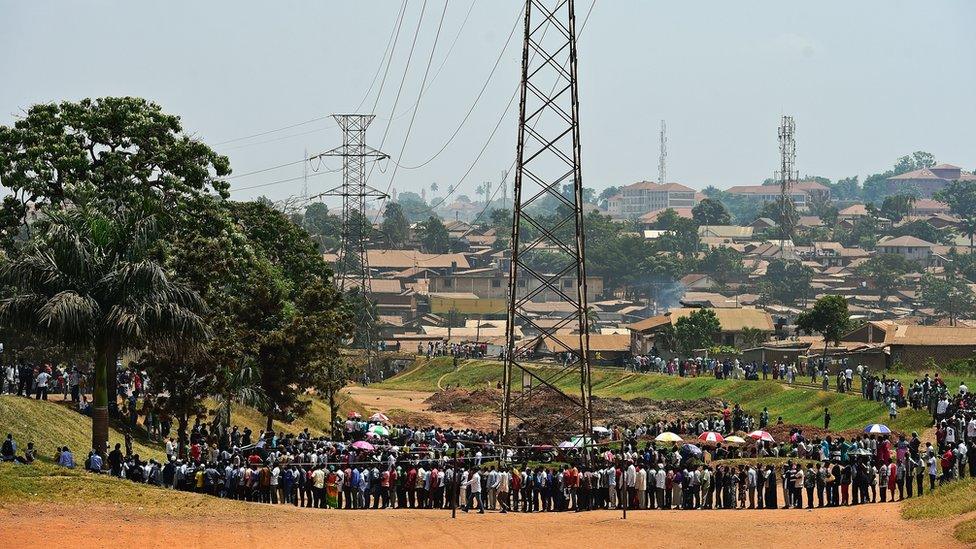
The election itself saw low voter turnout and heavy security deployments, reflecting concerns over potential unrest similar to incidents in neighboring Tanzania during last year’s elections. Authorities have framed the measures as precautionary, emphasizing public safety and the maintenance of order amid heightened political tensions.