





















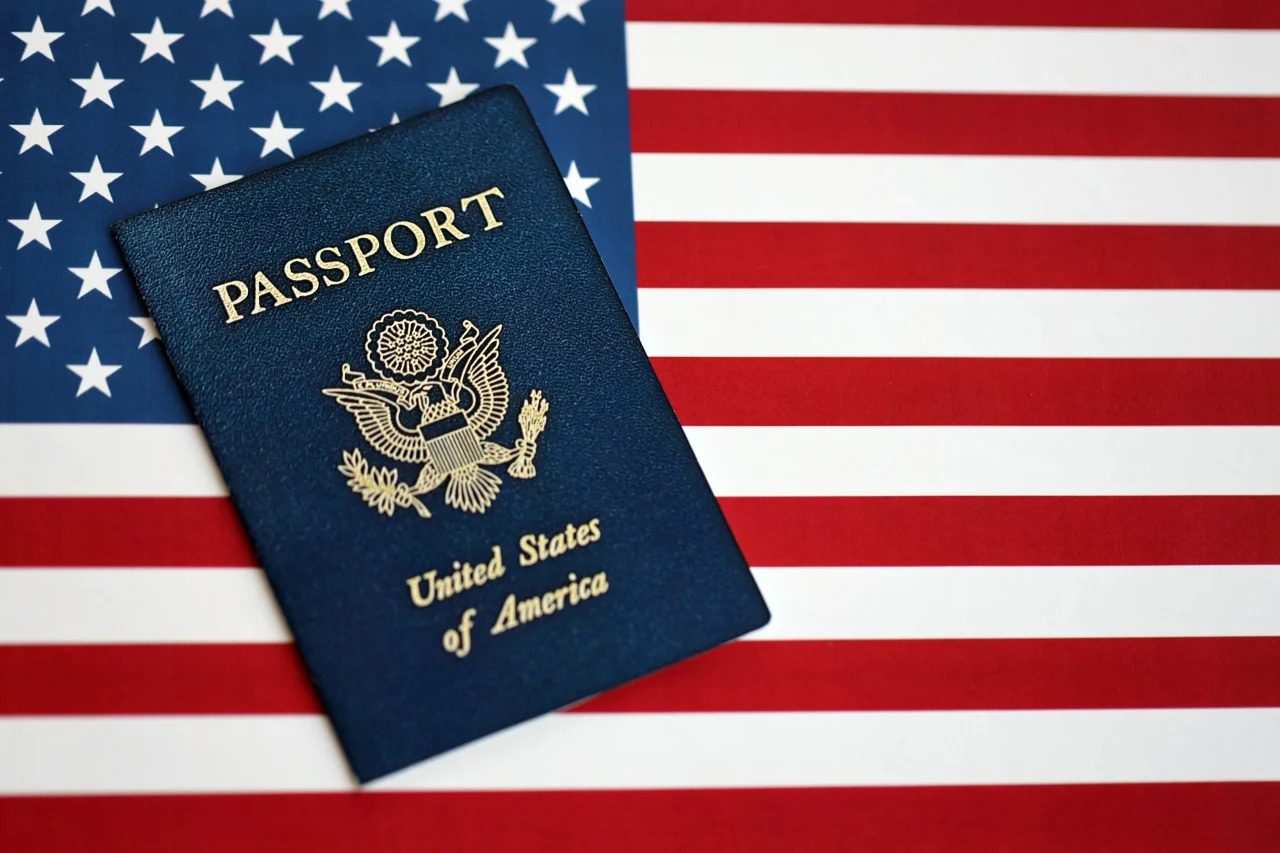
The United States Department of State is tightening the reins on parents who have fallen significantly behind on child support payments. In a major policy shift, the government has announced that it will begin revoking the passports of individuals with substantial unpaid debts. This new enforcement phase is set to kick off this Friday, initially focusing on those who owe $100,000 or more.
Data from the Department of Health and Human Services suggests that approximately 2,700 Americans will be impacted in this first wave. However, this is just the beginning of a broader initiative rooted in a 1996 law that has historically seen inconsistent enforcement. Moving forward, the threshold for passport revocation will eventually drop to cover anyone owing more than $2,500. While the exact number of people in this larger bracket is still being tallied as records are gathered from various states, officials expect the figures to reach into the tens of thousands.
Previously, owing child support only became a hurdle when an individual tried to renew an expiring passport. Under the updated regulations, the process becomes proactive: names will be sent directly to the State Department for immediate revocation of existing documents. The rationale behind this move is to treat international travel as a privilege that should be reserved for those meeting their fundamental parental obligations. Mora Namdar, the assistant secretary of state for consular affairs, noted that expanding this practice is a proven method for encouraging debtors to settle what they owe.
Early indicators suggest the strategy is already working. Since reports of the policy expansion first surfaced in February, a noticeable number of parents have started clearing their arrears. The State Department emphasized that the goal is to compel parents to do right by their children and adhere to the law. Since a version of this program began in the late nineties, it has successfully helped states recover over $657 million, including a significant surge in lump-sum payments over the last few years.
For those affected, the consequences are immediate and travel will be restricted. Individuals whose passports are revoked will be notified that their documents are no longer valid for international movement. To regain their travel privileges, they must provide proof that their debts have been fully settled before applying for a new passport. Those caught abroad when a revocation occurs will be required to visit a U.S. embassy or consulate to secure a one-time emergency document specifically for their return home.