


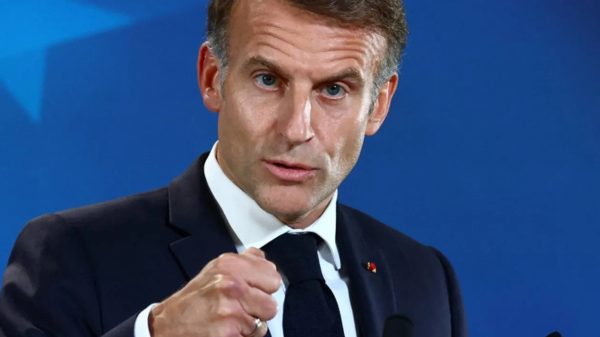
















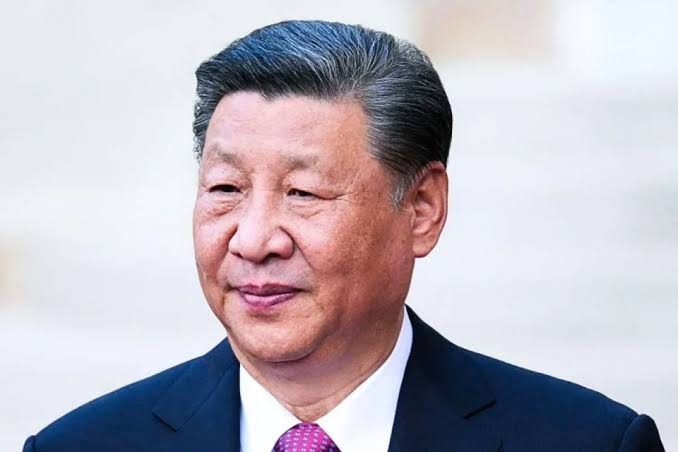
Xi made the remarks on Tuesday during a meeting in Beijing with Botswana’s President, Duma Boko, whose country has a significant mining industry. He said recognising African ownership of its natural resources should be a basic requirement for any partnership involving the continent’s mineral wealth.
According to Xi, Africa has long been disadvantaged by an unfair global economic system that leaves many countries at the lower end of the industrial and value chains. He described the situation as a historical injustice that needs urgent attention.
He also called for a balance between economic interests and moral responsibility, offering China’s support to African countries in developing plans that would help them gain more from their natural resources.
Africa holds about 30 per cent of the world’s critical mineral reserves, including cobalt, copper, lithium, nickel and rare earth elements, according to the United Nations. These resources are increasingly important to industries such as electric vehicle manufacturing, renewable energy and advanced technology.
The continent’s mineral wealth has intensified competition among major global powers, particularly China and the United States, as well as European countries and other international players seeking access to strategic resources.
Xi warned that Africa’s minerals should not become tools for geopolitical competition. He urged foreign countries involved in the sector to make genuine contributions to African development and help create a stable environment for long term cooperation.
China already has a strong economic presence across Africa, serving as the continent’s largest trading partner and a major source of financing for infrastructure projects. Chinese state owned and private companies are also active in several African mining industries, particularly in mineral extraction.
However, the growing foreign interest in Africa’s resources has attracted criticism from those who argue that local communities and national economies often receive less benefit than they should from the exploitation of their mineral wealth.
Beijing has also taken steps to strengthen trade relations with African countries. On May 1, China extended its zero tariff policy to imports from all African countries except Eswatini, with which it does not maintain diplomatic relations. The policy was announced the previous year.
Xi said China remains committed to supporting African development and wants mineral cooperation between both sides to generate greater industrial value. This approach would involve moving beyond the extraction and export of raw materials towards more processing and manufacturing within African countries.
The emphasis on adding value locally comes amid growing calls for African governments to secure better returns from their natural resources through industrial development, job creation and stronger domestic supply chains.
Whether these commitments translate into greater local processing, technology transfer and economic benefits will be an important measure of how future partnerships between China and African countries develop.







