


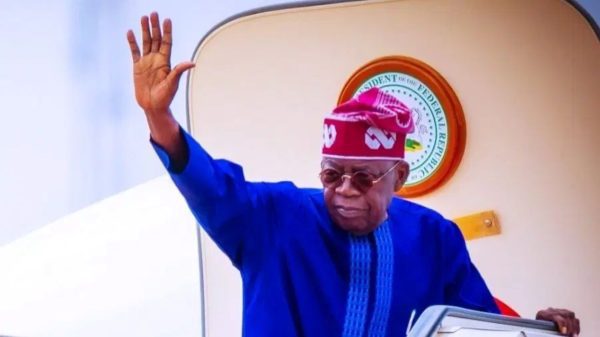


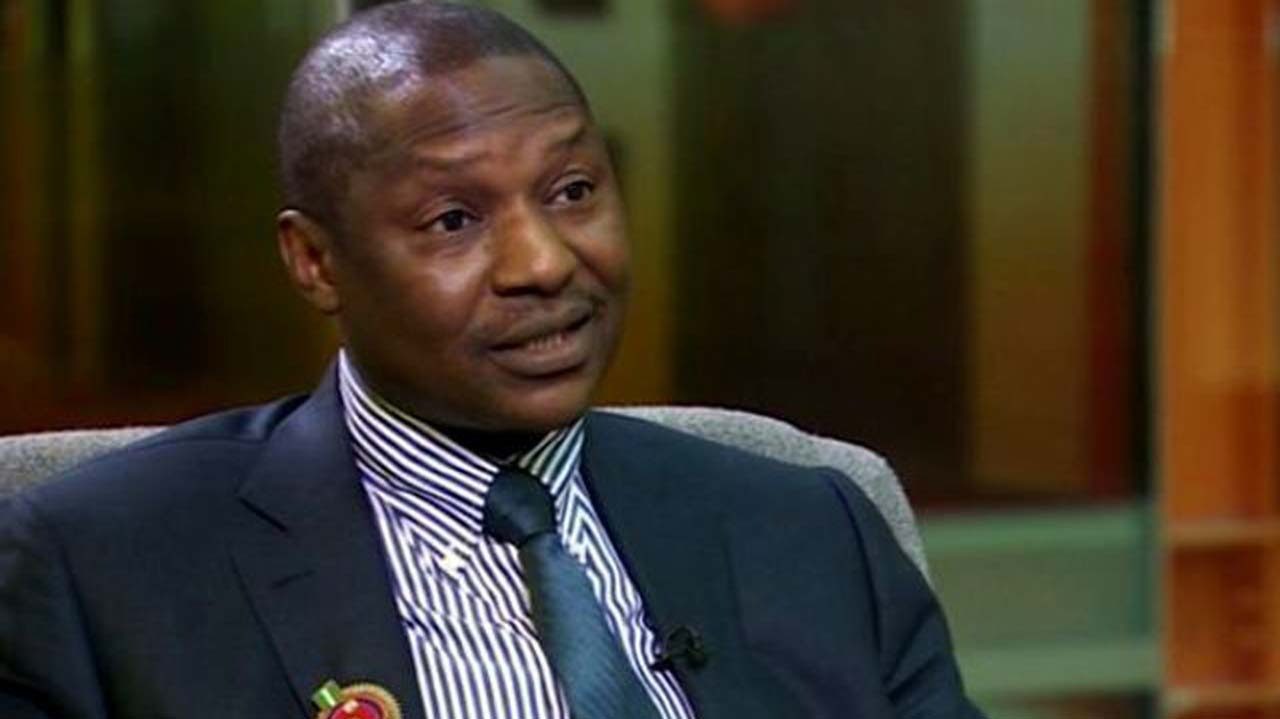
Last week marked a significant shift in the political landscape as two of the most powerful figures from the previous administration, Abubakar Malami and Chris Ngige, faced a long-awaited period of accountability. The former ministers, who once held immense sway over the Ministry of Justice and the Ministry of Labour respectively, have transitioned from the corridors of power to the interrogation rooms of the Economic and Financial Crimes Commission (EFCC).
The allegations against Chris Ngige are particularly specific. Court documents reveal an eight-count charge involving an alleged N2.26 billion fraud linked to his supervision of the Nigeria Social Insurance Trust Fund (NSITF). The anti-graft agency claims that Ngige used his office to favor companies tied to his associates, awarding them various consultancy and supply contracts. Perhaps more damaging are the claims that he accepted millions in “gifts” funneled through organizations bearing his name, including his personal campaign and scholarship schemes. For many, especially members of the Academic Staff Union of Universities (ASUU) who remember his stern posture during past strikes, this legal entanglement feels like a dramatic turn of fate.
While Ngige has remained relatively quiet, allowing the legal process to take its course, Abubakar Malami has taken a noticeably different approach. Despite being a frequent visitor to the EFCC lately, Malami appears to be framing himself as a victim of a coordinated witch-hunt. However, the sheer scale of the investigation suggests otherwise. Investigators are looking into at least 18 alleged offenses, ranging from money laundering and abuse of office to the more serious charge of terrorism financing.
One of the most pressing issues for Malami involves the handling of over $346 million in recovered Abacha loot. Questions have surfaced regarding how these repatriated funds were accounted for and managed during his tenure. Furthermore, Investigators are probing the management of N4 billion from the Central Bank’s Anchor Borrowers’ Programme, as well as massive investments in rice mills, hotels, and schools in Kebbi State. The lack of transparency surrounding the funding for these ventures has become a central focus of the anti-graft agency.
Malami’s troubles don’t end there. The EFCC is also scrutinizing high-stakes deals like the $496 million payment made to Global Steel Holdings regarding the Ajaokuta Steel concession, alongside controversial legal fees tied to Paris Club refunds. These were decisions that once showcased his influence as the nation’s chief law officer, but they are now being viewed through the lens of potential conflict of interest.
The contrast between both men is striking. While one seems to be bracing for a legal battle, the other is engaged in what many observers call a dramatic search for public sympathy. Regardless of the theatrics, the core of the matter remains: these are serious financial and administrative questions that require clear answers. As the investigations deepen, the public is watching closely to see if this marks a genuine era of accountability for those who were once considered untouchable.