





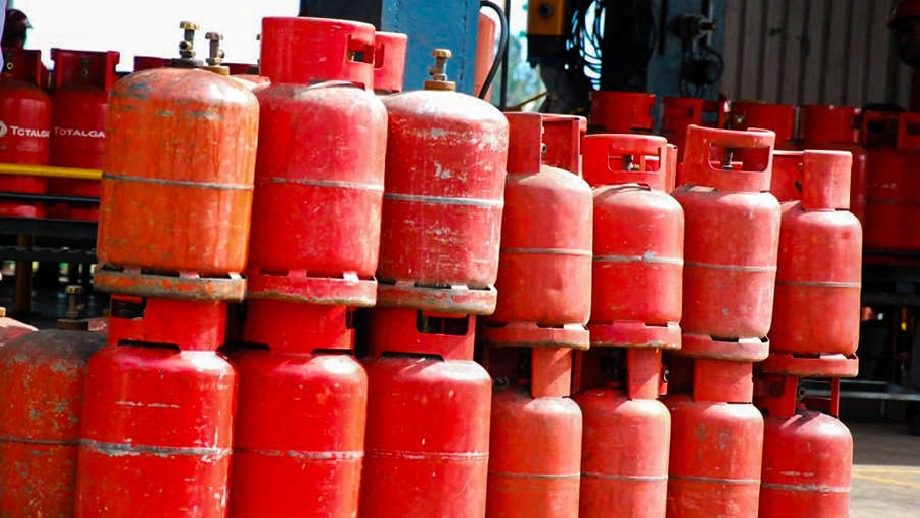
Residents across the Federal Capital Territory are finally breathing a sigh of relief as the price of Liquefied Petroleum Gas, commonly known as cooking gas, has begun to take a downward turn. In a series of conversations with Reports on Sunday, several Abuja inhabitants shared their excitement over the price drop while urging the Federal Government to ensure the new rates are sustainable to help ease the heavy financial pressure on many households.
Currently, the price for a kilogram of cooking gas in the FCT fluctuates between N1,080 and N1,400 depending on the outlet. Notably, NIPCO is leading the pack with the most affordable rate at N1,080 per kg. This is a significant improvement from the peak prices seen late last year, providing much-needed breathing room for families struggling with the high cost of living.
Victoria Ahaneku, a civil servant in the city, described the price dip as a win for the average consumer. She pointed out that when the cost of essential items like gas drops, it naturally increases the spending power of families, allowing them to redirect funds toward other pressing needs. However, she was quick to mention that for many, gas is still a luxury, leading some to rely on charcoal which has also become quite expensive.
Adding to the conversation, Mary Olobeyo, a local businesswoman, emphasized that while the drop is welcome, the government needs to look at the bigger picture. She suggested that investing in better infrastructure, such as pipelines and rail transport for gas distribution, would be far more effective than relying on expensive road tankers. According to her, these long-term strategies are the only way to prevent the frequent price hikes that frustrate consumers.
The issue of stability was a recurring theme among residents. Aisha Abubakar, a teacher, expressed concern over how quickly prices usually bounce back up after a short-lived drop. She noted that what Nigerians truly want is a price that stays low and predictable. Similarly, Adebayo Olorunfemi, another resident, argued that while the government’s intervention at the Dangote Refinery and other depots is commendable, it still feels like a drop in the bucket compared to the rising costs of rent, school fees, and petrol.
Public servant Charity Samuel echoed these sentiments, highlighting that gas is the cleanest cooking option available to most families. She urged the authorities to keep a close eye on the market to prevent hoarding and to ensure the product remains available.
This current price correction follows a period of intense volatility. In September 2025, prices soared to as high as N1,800 per kg due to industrial actions and maintenance work at major facilities like the Nigeria LNG Train Four. The Minister of State for Petroleum Resources (Gas), Dr Ekperikpe Ekpo, has since reassured the public that the government is working with regulatory bodies to monitor depots nationwide and keep prices within a reasonable range for all Nigerians.