




















The 2025 Africa Cup of Nations (AFCON) reached a dramatic conclusion as Senegal’s Teranga Lions triumphed over the host nation, Morocco, to claim the continent’s most prestigious trophy. Beyond the final whistle, this tournament served as a mirror for African football, highlighting the impressive growth of the game while simultaneously exposing deep-seated administrative and social flaws that still plague the sport.
Morocco has spent the last two decades transforming itself into a footballing powerhouse through massive investment in infrastructure and youth academies. This foresight has earned them a seat at the high table of global football, securing hosting rights for various FIFA tournaments and the upcoming 2030 World Cup. However, while the stadiums were world-class, the social atmosphere often fell short of the Pan-African spirit.
Reports highlight a disturbing trend of unsporting behavior and hostility during the tournament. Black players were subjected to racist chants, and Nigeria’s Stanley Nwabali faced targeted bullying, including having his equipment stolen and objects thrown at him. Such incidents, combined with the unprofessional taunting of the Senegalese coach by local journalists, suggest that while Morocco’s infrastructure is ready for the world stage, there is still significant work to be done regarding sportsmanship and continental brotherhood.
The tournament also cast a harsh light on the leadership of national football associations and CAF itself. A recurring issue is the treatment of players and coaches, particularly in countries like Nigeria, where the failure to pay allowances on time has become a chronic embarrassment. It is time for CAF to move beyond the excuse of “non-interference” and begin sanctioning federations that undermine the welfare and emotional stability of their teams.
The final match was not without its own chaos. Referee Jean-Jacques Ndala faced heavy criticism for failing to maintain control, particularly regarding a disallowed Senegalese goal that was not properly reviewed by VAR before a subsequent penalty was awarded to Morocco. The resulting tension led the Senegalese coach to briefly order his players off the pitch a move that eventually resulted in his suspension. While his frustration was understandable, it was seen by many as a lapse in leadership during a critical moment.
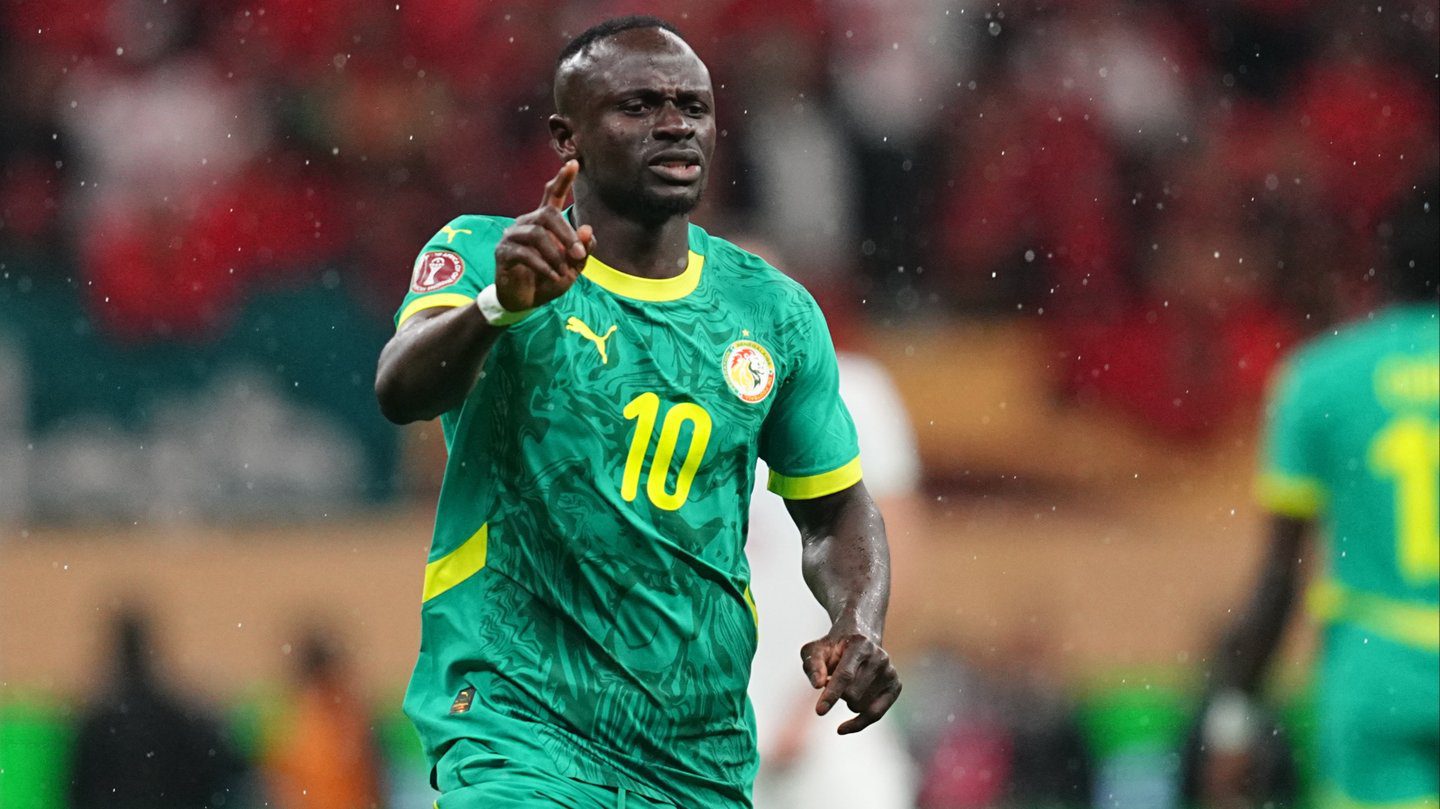
In the midst of this turmoil, Sadio Mane emerged as the true face of leadership. Though he held no official title as coach or captain during the heat of the argument, it was Mane’s personal integrity and calm demeanor that saved the day. He convinced his teammates to return to the pitch, later stating that he refused to walk away because he was concerned about the reputation of African football. His actions proved that real leadership isn’t about armbands or titles; it is about character and a sense of responsibility toward something greater than oneself.
Mane’s impact extends far beyond the field. He has used his success to build schools, hospitals, and mosques in his home country, standing in stark contrast to the often corrupt political class across the continent. While many leaders use public funds to seek accolades, Mane gives quietly and selflessly. His humility and dedication to his people have made him a global icon of what a leader should be productive, compassionate, and patriotic.
As Senegal celebrates its victory, the world isn’t just applauding a football team; it is honoring the spirit of a man who leads by example. Mane has shown that innate qualities like honesty and altruism are the most powerful tools a leader can possess. His legacy serves as a challenge to politicians and sports administrators alike: leadership is defined by what you give, not what you take.