





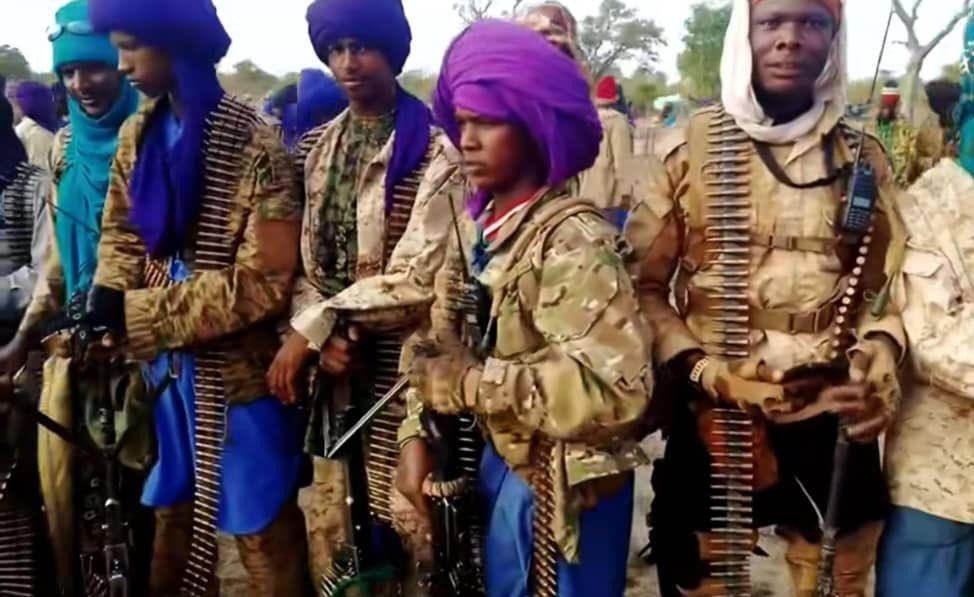
Education across Northern Nigeria is facing a silent, agonizing death. A recent investigation, conducted unveiled a heart-wrenching truth: worsening insecurity has forced the closure of at least 188 public schools. This is no mere tragedy; it is an outright collapse of civil authority and governance in vital parts of the country.
The list of affected states is long and alarming, spanning from Zamfara to Niger, Katsina to Benue, Sokoto to Kaduna. In Zamfara State alone, 39 schools—a mix of primary and secondary—have bolted their gates. Niger State has lost 30 institutions, including nomadic schools. Katsina accounts for 52 closures, Benue for 55, and Sokoto and Kaduna six each. Crucially, these figures are incomplete; many crisis-hit areas remain inaccessible, suggesting the true number of schools forcefully shut down by bandits is far higher.
The Catastrophe of Abandoned Classrooms
The physical schools themselves tell a devastating story. Some have been repurposed as Internal Displaced Persons (IDP) camps, while others provide temporary shelter for security operatives. However, the majority now stand as safe havens for bandits. These criminals use the abandoned facilities as their homes and, horrifyingly, as spaces to perpetrate daily acts of violence, including the violation of women and children taken as victims.
This loss extends far beyond bricks and mortar; it is a theft of children’s futures. Already, UNICEF’s 2024 report places Nigeria’s out-of-school population among the world’s highest, between 10 and 20 million. With these latest mass closures, that figure is guaranteed to climb, disproportionately affecting the North.
The crisis we face is not simply insecurity; it is the erosion of civil authority. When a government can no longer ensure the safety of its classrooms, it has fundamentally failed its primary duty. Closing schools, while seemingly a safety precaution, is, in reality, an act of surrender to fear. By locking those gates, we have ceded control to the outlaws, turning communities into ungoverned territories outside the nation’s control.
Bandit Rule and Political Inertia
This descent into chaos was gradual. Banditry, initially a localized problem fuelled by poverty, injustice, and the breakdown of local security structures, has metastasized into a monster. Political negligence and corruption allowed the long-festering farmer-herder conflict to create the perfect breeding ground. Bandits have now become the de facto rulers in parts of the North, levying taxes on farmers and enforcing their own brutal brand of law and order.
Meanwhile, the political class, entrusted with the safety of their constituents, has been caught flat-footed. Instead of decisive, coordinated action, we are treated to empty speeches and security meetings that yield no tangible outcomes. This inertia is unforgivable. Closing schools is not a strategy; it is a capitulation that mortgages the future of an entire generation to armed criminals. For children now forced to study under trees in IDP camps, this is not safety—it is abandonment.
A Dual Path to Recovery
The consequences of this collective inaction are a ticking time bomb. An uneducated generation, steeped in poverty, anger, and ignorance, will become easy prey for extremists and criminal groups, further deepening the North’s existing low literacy rates and underdevelopment.
It is time to reclaim our schools and our future. The Federal Government must fulfill the clear mandate of the 1999 Constitution: the protection of lives and property. Anything less is a breach of the social contract. States and local governments cannot hide behind federal structure; they must take ownership of the crisis, working with traditional institutions and vigilante networks to recover and secure every community. Security operations must be sustained, intelligence-driven, and local enough to prevent bandits from regrouping once they are dislodged.
However, securing the schools is only half the battle. The other half demands an urgent Northern Education Recovery Plan. This plan must include:
- Establishing Education Recovery Funds with contributions from all tiers of government, the private sector, and international partners.
- Rebuilding and fortifying all affected schools with perimeter fencing, watchtowers, and dedicated security personnel.
- Deploying mobile teachers and classrooms in IDP camps to prevent learning loss.
- Utilizing radio and digital learning tools to reach every displaced child.
- Reviving and properly funding the Safe Schools Initiative.
Beyond infrastructure, we must restore hope. The visible presence of government—functional police posts, local councils, hospitals, and, critically, active schools—is the true symbol of restored authority. Leaders must stop mourning each attack and start delivering results. The North, which once built thriving institutions, must summon that same determination to defend the very foundation of its progress: education.
We cannot talk about development or democracy while millions of our children are being held hostage by fear. Bandits must not be allowed to steal their future. No nation can abandon its children to criminals and expect to survive.