




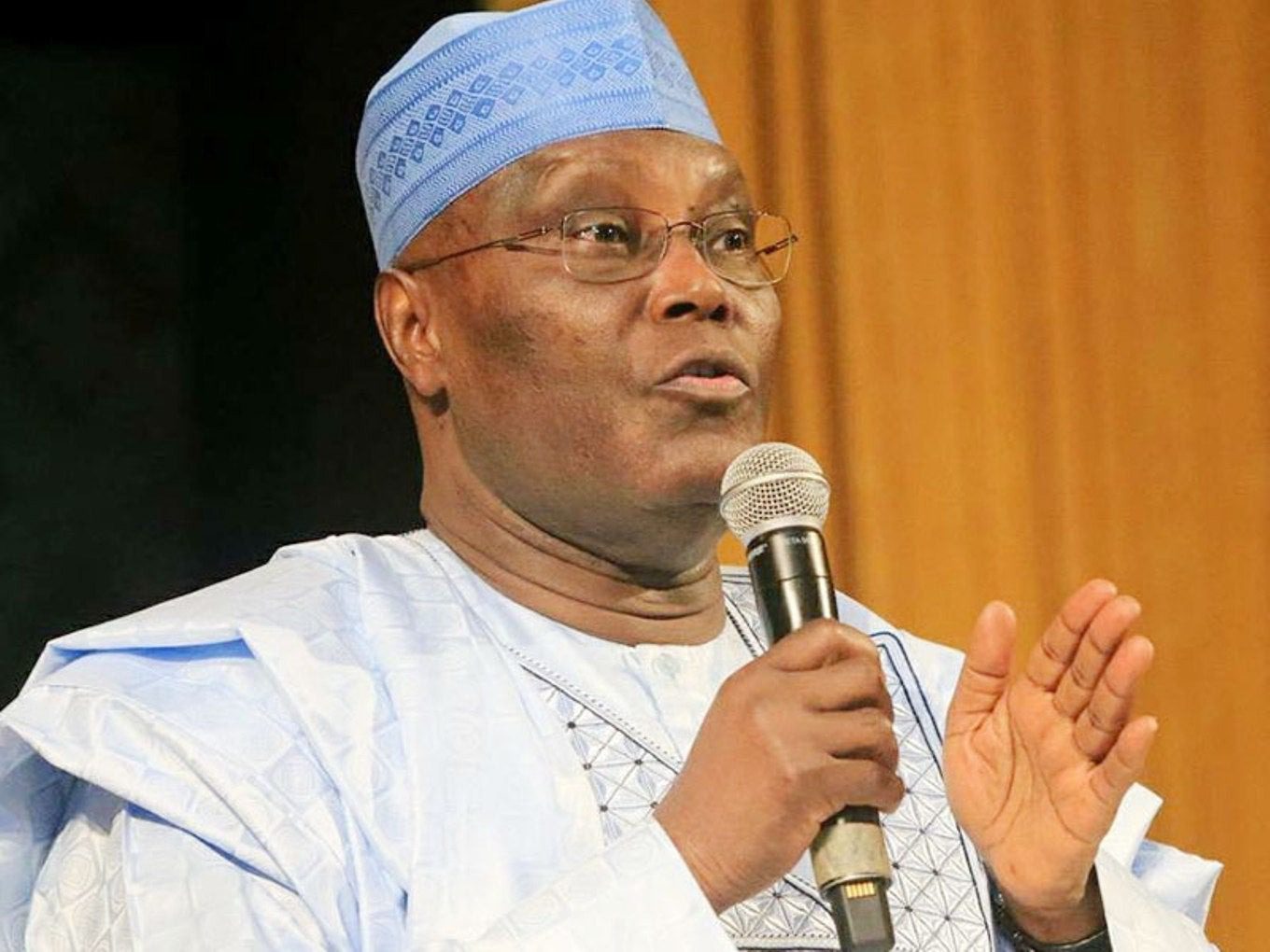
Deep in the heart of Yola years ago, a quiet moment captured the essence of a man’s life. An old campaign aide watched as Atiku Abubakar stood over a wooden table, slowly tracing his fingers across a map of Nigeria. State by state, he followed the lines of a destiny that seemed promised but always just out of reach. This was before the era of viral social media wars, a time when politics was built on long nights of persuasion and the weight of a handshake.
For Atiku, the presidency has never been a distant dream; it has been an all-consuming, patient pursuit. From his early days standing alongside M.K.O. Abiola to his current alignment with the African Democratic Congress (ADC), his political life has centered on one unfinished chapter: leading the nation. According to reports, he has sought the office six times and fallen short six times. As 2027 approaches, he is preparing for a seventh attempt, sparking a debate on whether this is a mark of legendary persistence or a refusal to read the room.
Those close to him believe the seeds of this ambition were sown during the Abiola era. Watching the historic June 12 mandate crumble taught Atiku that power is never handed out as a gift and that timing can be as cruel as it is vital. When democracy finally returned in 1999, he rose to become Vice President under the Peoples Democratic Party (PDP). For eight years, he built a formidable network, earning a rare level of acceptance in the South for a northern politician.
However, the road since then has been a cycle of shifting platforms and narrow losses. His frequent moves—from the PDP to the Action Congress, then the APC, and back again—have led critics to argue that he enters parties to run for office rather than to build lasting institutions. Supporters, on the other hand, argue that Nigeria’s political parties are often too transactional to earn long-term loyalty. A recurring point of friction has been his tendency to retreat to Dubai after an election loss, a move that some southern leaders felt signaled a lack of commitment to the grassroots struggle between cycles.
The 2023 election marked a breaking point. Despite a zoning understanding that suggested a shift toward a southern candidate, Atiku secured the PDP ticket. The refusal to balance the party’s leadership by replacing the northern chairman led to a high-profile walkout by five governors. This internal fracture, many insiders believe, cost the party its moral authority and eventually the election.
Yet, within his inner circle, the belief in his capacity remains unshaken. Associate Abdul-Aziz Na’ibi Abubakar describes him as a visionary ready to tackle Nigeria’s pressing challenges with practical solutions. Similarly, Demola Olanrewaju points out that Atiku is one of the most experienced politicians in the country, capable of drawing support from across party lines. When asked about the “serial candidate” label, Olanrewaju noted that pursuing a lifelong aspiration isn’t a sign of controversy but of health and fitness for the task.
Not everyone is as optimistic. Lere Olayinka, an aide to Nyesom Wike, recently suggested that the opposition to Atiku’s ambition remains as firm as ever. From the younger generation, the sentiment is even sharper. Eze-Onyebuchi Chukwu, a youth leader in APGA, argued that it is time for Atiku to mentor a younger candidate rather than seeking the spotlight again, asking if he is truly the only person fit to lead among millions of capable Nigerians.
Now in the ADC, Atiku faces the same regional tensions that haunted his 2023 run. While he has recently hinted that he might step aside if a “vibrant and widely accepted” younger candidate emerges, many wonder if this is a genuine shift or a tactical move. For now, the image of the man in Yola tracing that map remains the most fitting symbol of his career. As 2027 nears, the nation will once again decide if his persistence is a virtue to be rewarded or a story that has already reached its natural end.