


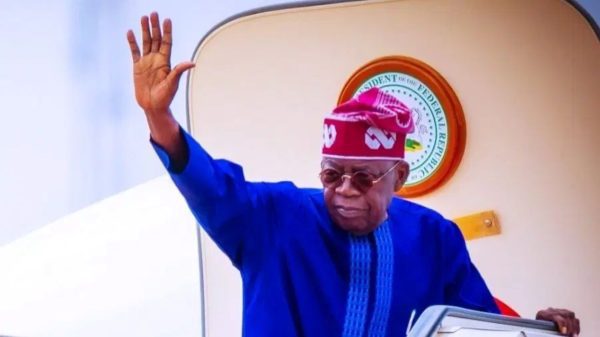


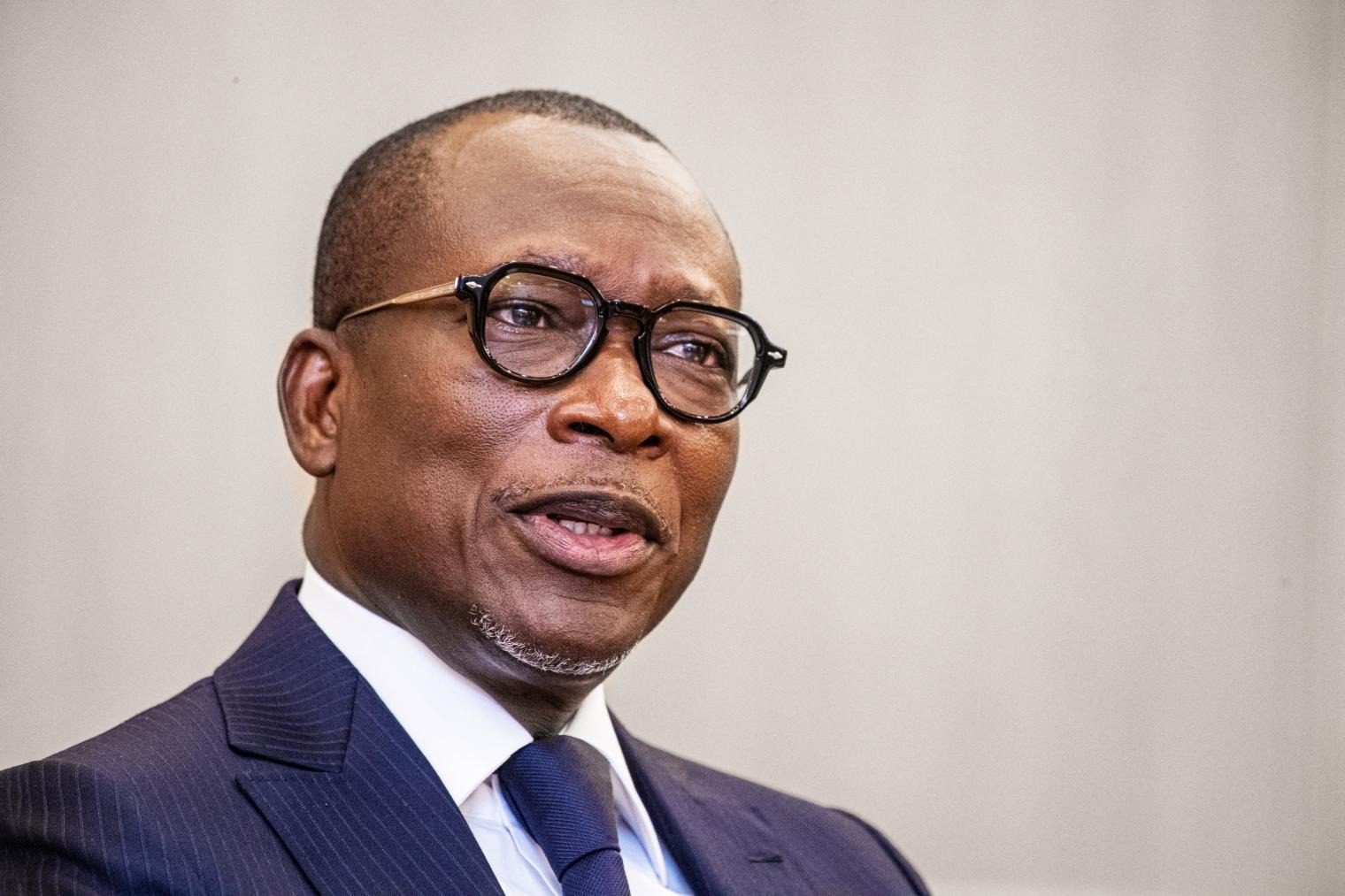
The failed coup attempt in Benin Republic on December 7, 2025, served as a stark reminder of how fragile the political, social and economic balance remains, not just in that country but across the sub region. Had the plotters succeeded in overthrowing President Patrice Talon’s democratically elected government, the consequences would have gone far beyond Benin’s borders. Nigeria, in particular, would have faced an unsettling reality, effectively boxed in by military regimes to the north in Niger and to the west in Benin.
Such a development would have further exposed Nigerians to the growing narrative of military takeovers in neighbouring states, a narrative that already fuels dangerous admiration in some quarters. The situation is already delicate, made worse by weak democratic structures in nearby countries like Cameroon and Chad. Chad remains largely under authoritarian rule, passed from father to son, with Mahamat Deby Itno recently removing term limits to extend his grip on power. Cameroon, on the other hand, continues under the leadership of Paul Biya, now in his nineties and unwilling to relinquish control.
If the Benin coup had succeeded, Nigeria would have been pushed into a state of heightened anxiety, surrounded by instability with little to celebrate on any flank. The timing of the attempted insurrection also placed Nigeria in a position where regional leadership was expected. It coincided with the visit of a high level delegation from the United States on a fact finding mission, following growing concerns in Washington over reports of widespread violence and insecurity in Nigeria.
At the time, the National Security Adviser to President Bola Tinubu, Nuhu Ribadu, was hosting members of the United States Congress, including senior lawmakers on security and foreign affairs. The moment offered Nigeria a chance to remind the world of its traditional role as a stabilising force in West Africa.
Historically, Nigeria played that role with confidence. It was Nigeria that led the push for the creation of the Economic Community of West African States in 1975, helping to foster regional trade, cooperation and political unity among member states. For years, Nigeria bore much of the financial burden of sustaining the bloc and did so willingly. When civil wars broke out in Liberia and Sierra Leone, Nigerian troops were at the forefront of peacekeeping efforts that restored order.
That same spirit was evident when Nigeria rallied Ghana and Cote d’Ivoire to support President Talon and prevent the coup from succeeding. Despite the grim security realities within its own borders, Nigeria still managed to rise in defence of democracy in the sub region. This was at least one positive signal the visiting American lawmakers could point to when reporting back home, a show of resolve that Zoyols Blog notes stood out amid otherwise troubling findings.
Still, questions linger about Nigeria’s internal challenges. Former Chief of Army Staff Tukur Buratai recently stated that Boko Haram began as a politically motivated movement before mutating into full scale terrorism. Why successive governments have failed to confront and expose those behind such violence remains a source of frustration. Many hope that increased international pressure may force deeper commitment from political leaders.
The events in Benin also reflect Nigeria’s declining influence on the continental stage. Africa was once described by Nigeria’s first Prime Minister, Tafawa Balewa, as the cornerstone of its foreign policy. For decades, that vision guided the country’s actions, including its leading role in the liberation of southern African nations. While military governments sustained this assertive posture, today Nigeria appears weighed down by internal crises and sidelined at major global forums.
The country missed early opportunities to secure a prominent role in emerging alliances like BRICS and now largely pins its hopes on appearances at the United Nations General Assembly. Even then, President Tinubu has been absent in recent editions, weakening Nigeria’s push for a permanent seat on the Security Council. Foreign policy objectives that were once clear are now difficult to define, even for seasoned scholars.
This lack of coherence became evident after the military takeover in Niger in July 2023. As chairman of ECOWAS at the time, President Tinubu initially sought to restore President Mohamed Bazoum through decisive action. However, resistance from northern Nigeria, where many communities share deep ties with Niger, forced a change in strategy. The Senate eventually rejected military intervention, opting instead for diplomacy.
In contrast, the same Senate swiftly approved troop deployment to Benin without debate or opposition. There was little attempt to examine the governance issues that may have triggered the coup attempt. This inconsistency has raised concerns about the absence of shared principles guiding Nigeria’s foreign engagements. Decisions that once rested on national interest are now filtered through religious and ethnic considerations.
Benin was an easier case, largely free of the emotional and cultural ties that complicate relations with Niger. While people in southwestern Nigeria share historical and linguistic links with parts of Benin, those ties were not strong enough to override broader regional interests. In more sensitive cases, national unity becomes fragile, and this fragility continues to undermine efforts to contain terrorism along porous borders.
The stakes were particularly high because ECOWAS has already lost Mali, Niger and Burkina Faso, now aligned under the Alliance of Sahel States. A successful coup in Benin would have further weakened the regional bloc. A fractured ECOWAS only emboldens external powers eager to exploit Africa’s mineral wealth under the familiar divide and rule strategy.
Economically, the implications for Nigeria would have been severe. Benin plays a critical role in Nigerian trade, especially through the port of Cotonou. Official figures from 2023 show that more than three quarters of goods unloaded there are destined for Nigeria. Lower costs and faster processing make Benin attractive to Nigerian importers, despite the illegality of some trade routes.
Nigeria exports electricity, refined petroleum products and fertilisers to Benin, valued at about two hundred and forty million dollars annually. In return, Benin supplies seed oils, palm oil and construction vehicles. Smuggled rice from Benin sustains many border communities, and any disruption would have driven prices sharply higher, worsening inflation. By helping to prevent another coup, President Tinubu avoided a serious economic shock.
Across Africa, the resurgence of coups has prompted renewed debate among political analysts. The consensus remains that poor governance lies at the heart of most uprisings. In countries where democracy fails to deliver basic services and corruption thrives, public frustration creates fertile ground for military intervention.
Reports from the African Development Bank indicate that corruption drains billions of dollars from African economies each year, money that should support healthcare, education and industry. This persistent looting deepens poverty, weakens democratic institutions and fuels instability.
Ultimately, the antidote to coups in West Africa is effective and accountable governance. When citizens lose faith in their leaders, no regional force can fully suppress their anger. That reality, as Zoyols Blog observes, is one truth leaders across the continent can no longer afford to ignore.