



























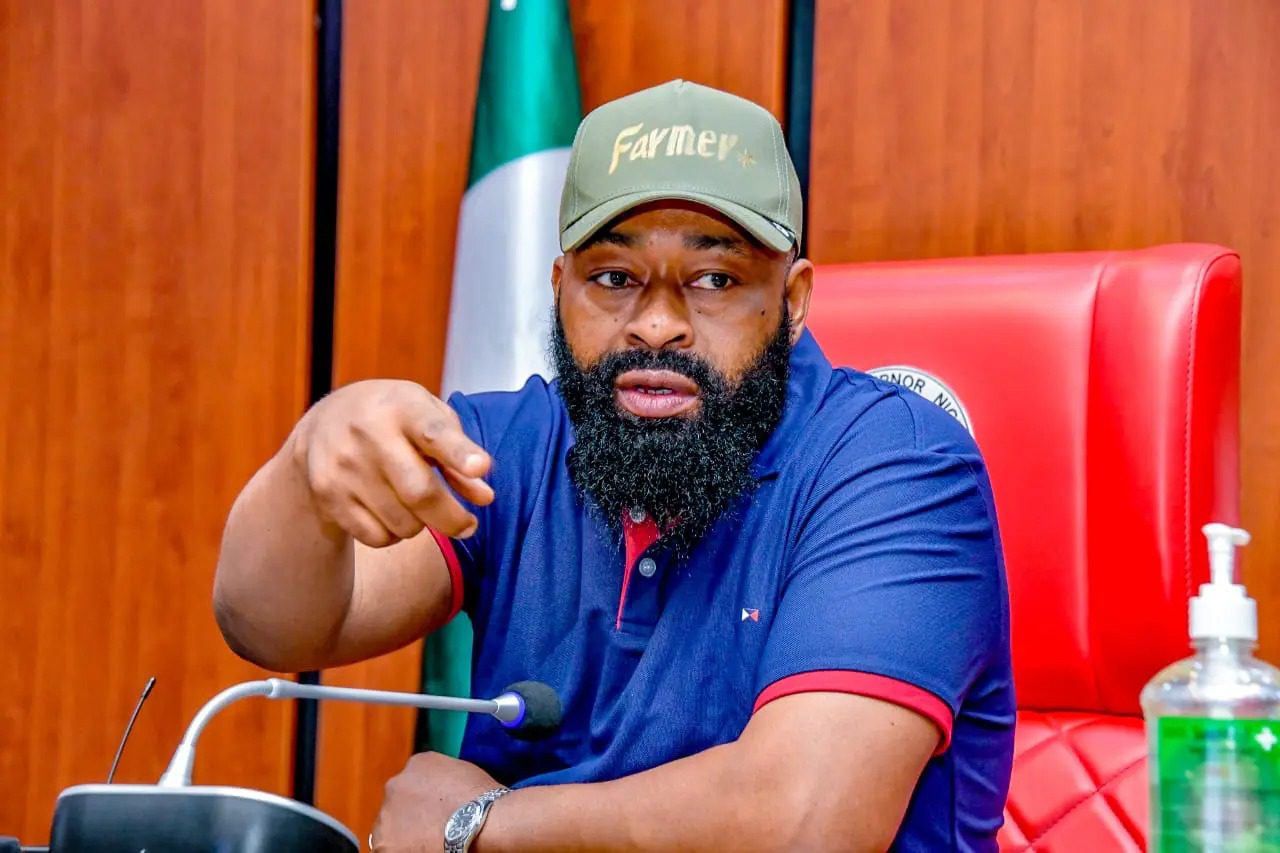
In the heart of Niger State, Governor Mohammed Bago is nurturing a vision that transcends the lush green fields and rolling tractors that have become synonymous with his administration. While agriculture is indeed a significant part of his agenda, there’s more to Bago’s governance style than meets the eye. Born in Minna in 1974, this banker-turned-politician has spent years honing his craft, first managing bank floors and later serving twelve years in the House of Representatives. For Bago, politics isn’t a sudden career shift; it’s a journey fed by many tributaries.
Since taking office in May 2023, Bago has demonstrated a willingness to shake things up. His recent decision to dissolve his cabinet after a performance appraisal is a testament to this. Some commissioners excelled, while others fell short. His rationale was straightforward: growth demands fresh perspectives, reimagined portfolios, and recalibrated leadership. This clinical approach to governance is reminiscent of a corporate strategy, where the bottom line is growth and progress.
Bago’s “New Niger Agenda” is more than just a slogan; it’s a comprehensive plan to revamp the state’s infrastructure, education system, and healthcare services. Even his cabinet dissolution was framed as an opportunity for growth, rather than punishment. This approach speaks volumes about his leadership style, which seems to be a delicate balance of arithmetic and empathy.
One of Bago’s defining characteristics is his generosity. He’s shown a willingness to give back to the community, whether it’s purchasing JAMB forms for students or providing rice to families during the pandemic. His governance style is built around creating opportunities rather than exerting control. For Bago, leadership is about making a positive impact, not just wielding power.
What sets Bago apart is his restlessness. He refuses to be pigeonholed as the “agriculture governor.” While agriculture is crucial to Niger’s development, Bago is working on a broader canvas, encompassing finance, education, and governance reform. The rows of crops are just the beginning; the real test lies in sustaining the momentum and ensuring that his reforms hold together through the seasons.
As Niger State waits with bated breath, the people are watching, wondering if this banker-politician’s vision will come to fruition. Will his quilt of reforms stay intact, or will the drumbeat of agriculture drown out the subtler melodies he’s trying to compose? Only time will tell. For now, the music is still being written, and the silence is expectant.