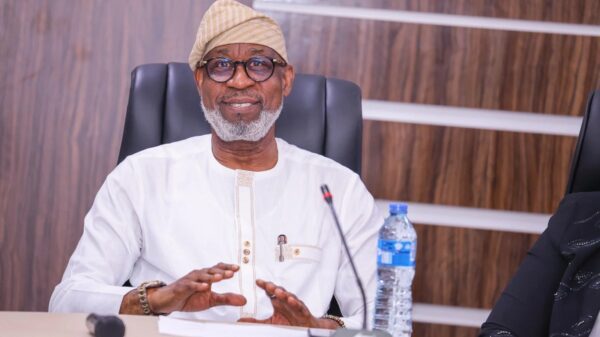


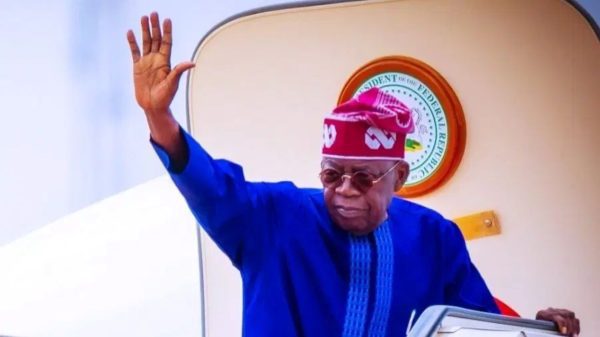


Budgets are often viewed as nothing more than dry rituals—lists of figures read in hushed chambers and quickly forgotten. However, any serious financial plan is essentially a moral and political document. it reveals what a government truly values and exactly what kind of future it is willing to fund. The proposed 2026 “Budget of Infrastructure, Inclusive Growth and Sustainable Development” for Kano State is a clear attempt to turn recent economic hardships into a genuine pathway for transformation.
The journey to this point hasn’t been easy. In 2024, like much of the country, Kano grappled with severe economic distress, skyrocketing food prices, and growing social unrest. However, the 2025 fiscal year brought a sense of stability. Governor Abba Kabir Yusuf’s administration began delivering visible interventions across education, healthcare, and security. By the end of 2025, the government could arguably claim that its campaign promises were moving from paper to reality. This track record of execution serves as the foundation for the ambitious 2026 goals.
At approximately 1.368 trillion naira, the scale of the 2026 budget is impressive, but its internal structure is what truly tells the story. In a political landscape where salaries and overheads often drain the treasury, Kano has made a bold choice. Roughly two-thirds of the total spending is earmarked for capital projects, leaving only one-third for recurrent costs. This 68:32 ratio is a deliberate statement of intent, prioritizing the construction of schools, hospitals, and roads over the mere maintenance of government machinery.
Three key sectors—education, health, and infrastructure—receive the lion’s share of this funding. Education is set to take 30 percent, health 16 percent, and infrastructure 25 percent. This distribution reflects a specific theory of change: invest in people, ensure they are healthy, and provide the physical connections like roads and power to link them to opportunities. These aren’t treated as separate goals but as a single, reinforcing agenda for human security.
The commitment to education is particularly noteworthy. Following a state of emergency declared in the sector in 2025, the results are already starting to show. Kano recently climbed to the top of the NECO performance tables, proving that focused investment yields real outcomes. The 2026 allocation aims to move the state beyond just building classrooms to producing graduates who are employable and digitally literate. However, achieving this will require more than just bricks and mortar; it will need motivated teachers and well-equipped laboratories.
In the healthcare sector, the focus is shifting toward the vulnerable. The previous year saw a massive push for contributory health insurance and free maternal services, moving away from a system that primarily served the urban elite. By maintaining a strong health budget for 2026, the administration is treating the well-being of its citizens as a foundation for economic productivity, not an afterthought.
Infrastructure remains the most visible sign of the state’s ambition. From solar-powered streetlights to rehabilitated urban roads, the physical face of Kano is changing. By dedicating a quarter of the budget to this area, the government is moving away from scattered projects toward a more coherent reshaping of the environment. These efforts are being tied to long-term industrial goals, such as the SME ecosystem planned along the AKK gas pipeline corridor.
Beyond these major sectors, the budget also seeks to consolidate gains in agriculture and youth development. New irrigation schemes aim to protect farmers from unpredictable rainfall, while electric tricycles and vocational grants are designed to turn the state’s large youth population into an economic asset. Even the clearing of long-standing gratuity arrears for retirees speaks to a desire to rebuild institutional trust.
Of course, the ultimate test for Kano 2026 will be the gap between plans and reality. A high capital budget is only effective if the projects are actually completed, staffed, and maintained. This will require rigorous oversight from the House of Assembly and active participation from civil society to ensure that public resources are treated with the respect they deserve.
Kano stands at a significant turning point. This budget is a bridge to the future the state must inhabit beyond 2027 one that is educated, productive, and resilient. If public servants implement these plans with integrity and citizens hold them accountable, the 2026 budget could do more than just close a fiscal year; it could open a transformative new chapter in the story of Kano State.