






















One of the most frustrating patterns in Nigerian politics is the “cycle of abandonment.” Too often, new administrations discard the projects of their predecessors, leaving half-finished buildings and rusted machinery as monuments to wasted public funds. It is a costly habit that hurts the very citizens these projects were meant to serve.
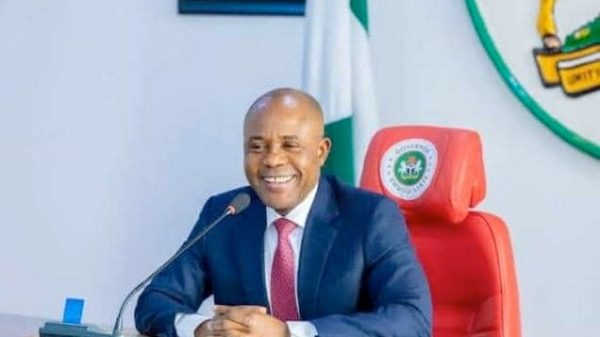
However, a shift in this narrative is becoming visible in Sokoto State. Information available to Reports suggests that Governor Ahmed Aliyu is charting a different course one defined by a sense of continuity and fiscal responsibility. Rather than allowing past investments to rot, Aliyu has prioritized finishing what was started, particularly projects that were left in limbo during the previous administration.
The most vital evidence of this approach is found in the state’s water supply. For years, residents of the state capital faced a humiliating reality: a chronic water shortage that forced many to rely on expensive water vendors. Under the current administration, the Tamaje Water Scheme a massive project valued at over ₦14 billion—has finally been completed and commissioned. This, alongside the revival of other schemes like the Old Airport, Gagi, and Runjin Sambo water works, is now delivering millions of gallons of clean water to households daily. For many, this isn’t just about plumbing; it’s about restoring basic human dignity.
The housing sector tells a similar story. Several estates that were started years ago and left as skeletal structures have been brought back to life. Projects at Gidan Salanke and Wajake, which together offer 1,000 housing units, are either fully delivered or in their final stages. By completing these “legacy” projects while simultaneously launching new initiatives like the Sokoto New City luxury estate, the government is making a serious dent in the state’s housing deficit.
Beyond water and housing, the face of Sokoto metropolis itself is changing. Major arteries that were once congested and prone to flooding have been reconstructed. Key links, such as the stretch from Chima-Rai Jumu’at Mosque to the Mabera Roundabout, have significantly improved local mobility and commerce. This infrastructure push is complemented by an urban beautification project that has seen six major roundabouts redesigned. Far from being a mere cosmetic touch, these upgrades are aimed at better traffic management and projecting a city that is orderly and intentional.
When you look at the big picture the roads, the flowing taps, and the new rooftops it becomes clear that Governor Aliyu is trying to break the “start-stop” curse of governance. It is a strategy of consolidation. By finishing inherited projects and carefully adding new ones, the state is moving forward without throwing away the billions already spent by those who came before. In a political climate where starting fresh is often seen as a way to claim sole credit, Aliyu’s choice to build on existing foundations is both rare and commendable.