

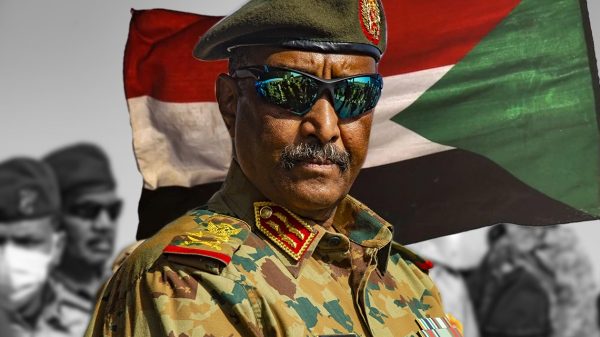





























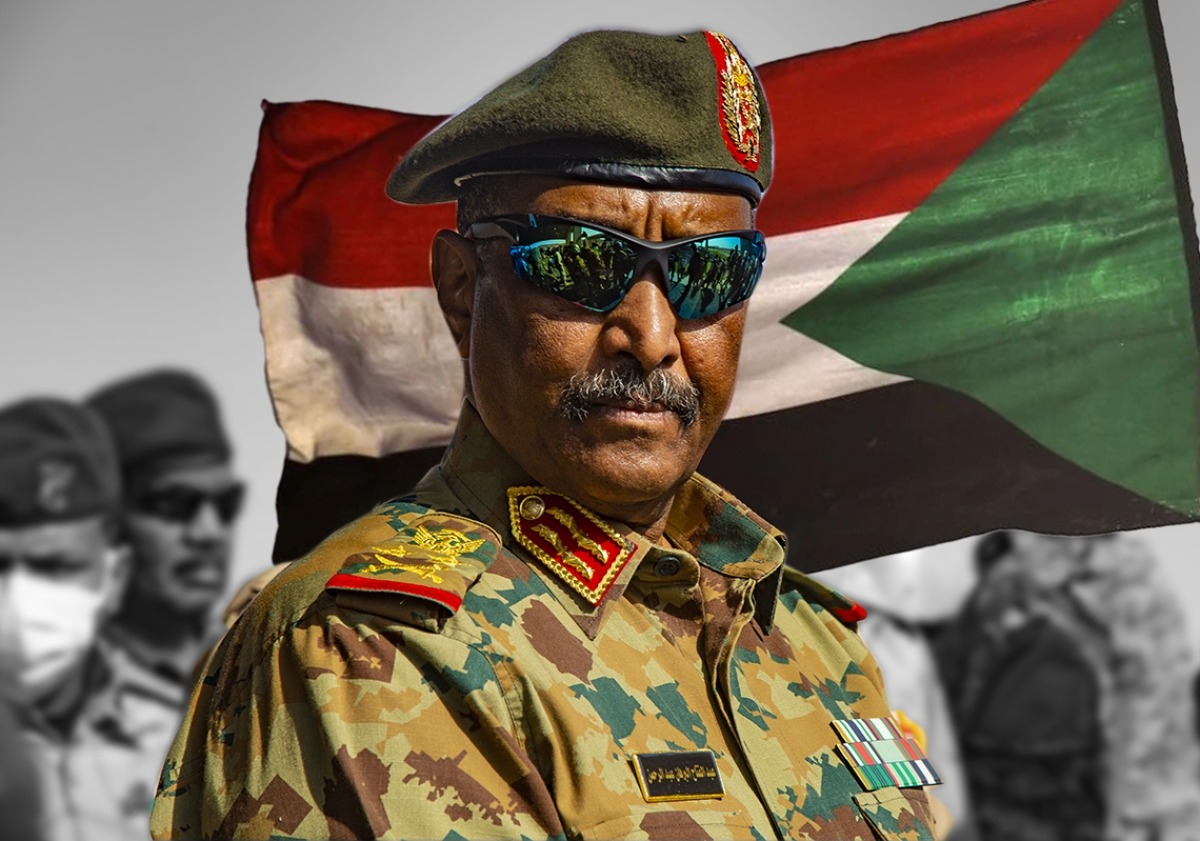
Sudan’s Sovereign Council Chairman Abdel Fattah al Burhan has met with British Special Envoy Richard Crowder in Khartoum as diplomatic efforts to end the country’s civil war continue amid a deepening humanitarian crisis.
The meeting focused on ways to stop the fighting, ease the suffering of civilians and create conditions for a political process that can bring the conflict to an end.
Crowder said Britain supports a Sudanese led and Sudanese owned dialogue and called for an inclusive and transparent political process that reflects the views of Sudanese people both inside and outside the country.
The British envoy also welcomed initiatives by Sudanese political and civil society groups and noted government assurances aimed at protecting people who take part in planned consultations from prosecution. A transitional committee has been working to engage political and civil society stakeholders as part of efforts to prepare the ground for future peace talks.
The discussions also touched on a recent United Nations human rights investigation into the conflict. The inquiry highlighted serious allegations of abuses, foreign involvement and the recruitment of foreign fighters.
Britain is seeking an extension of the UN Human Rights Council fact finding mission, whose current mandate is due to expire in October. Sudan’s military led government has opposed the move, arguing that existing UN human rights mechanisms are sufficient.
Crowder also warned about the devastating impact of the war on Sudan’s infrastructure and population. Millions of people have been displaced, including large numbers who have fled to neighbouring countries, while the destruction of essential services has made an already severe humanitarian crisis even worse.
The British envoy said Sudan’s crisis is expected to receive renewed international attention during the forthcoming United Nations General Assembly meetings in New York.
Famine fears grow in West Kordofan
While diplomatic efforts continue, the humanitarian situation is deteriorating in parts of Sudan, with local aid volunteers warning of an imminent famine across six areas of West Kordofan.
The Dar Hamar Emergency Room, a volunteer network providing assistance to communities in the region, said severe drought, failed harvests, rising food prices and the continued conflict have pushed residents towards a critical situation.
The group identified Wad Banda, El Nuhud, Ghebeish, Abu Zabad, Al Odaiya and Al Khiwai as among the areas facing the most serious food shortages.
Poor rainfall has severely affected agricultural production, while fighting and looting have further damaged livelihoods. Thousands of civilians have also reportedly fled towards neighbouring North Kordofan amid allegations of abuses by fighters from the Rapid Support Forces.
Food prices have risen sharply as supplies become increasingly difficult to obtain. The price of a sack of sorghum, one of the region’s main staple foods, has reportedly reached about 10 million Sudanese pounds.
Aid volunteers say restrictions on the movement of commercial vehicles carrying food from North Kordofan have further worsened the shortages.
The situation is taking a heavy toll on vulnerable residents, particularly children and elderly people. The emergency group said hunger and illness are increasing and that deaths have already been recorded, while humanitarian assistance remains severely limited.
The warnings come against the backdrop of a wider food crisis across Sudan. Millions of people are facing acute food insecurity, with the UN and other humanitarian organisations warning that conflict, displacement, damaged agricultural production and restricted humanitarian access continue to threaten food supplies across several parts of the country.
With fighting continuing in several regions and humanitarian funding under severe pressure, efforts to secure a political settlement are taking place as the need for food, healthcare and other emergency assistance continues to grow.