










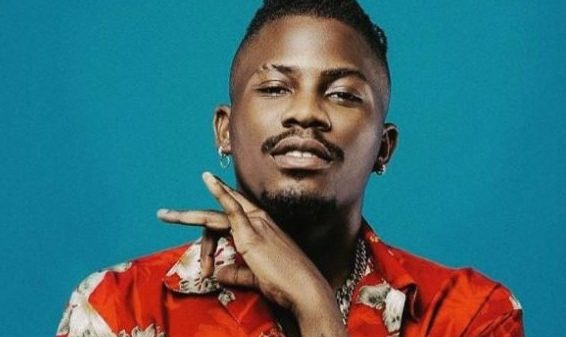









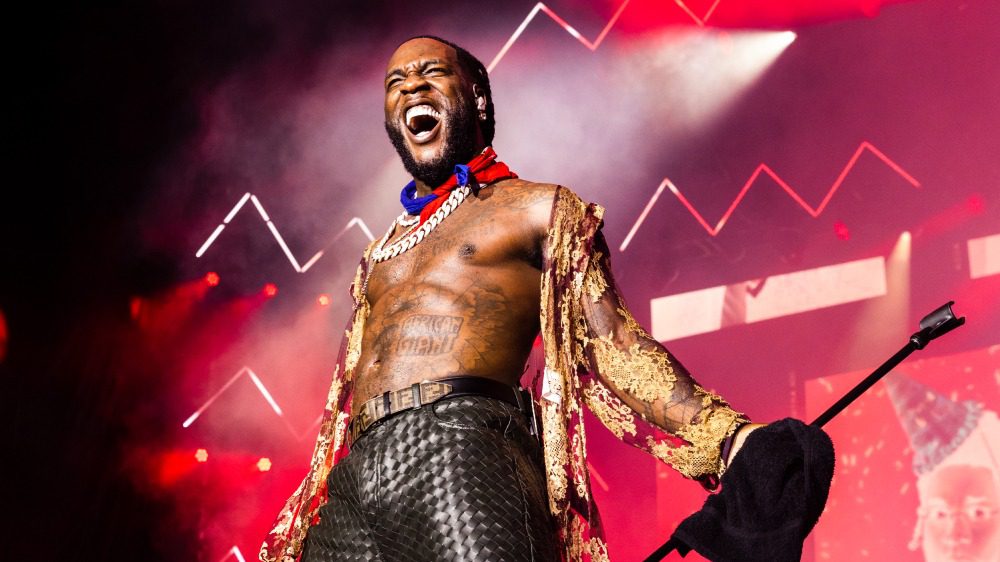
In one of the year’s most explosive conversations in Afrobeats, Grammy-winning star Burna Boy sparked widespread controversy following his decision to halt a mid-performance show and order the removal of a fan he believed was sleeping. The video, which instantly went viral on social media, triggered massive criticism worldwide, forcing a difficult debate over the boundaries of performance and what artists truly owe their paying audience.
The controversy originated on November 12, 2025, during Burna Boy’s North American “No Sign of Weakness” tour stop at the Red Rocks Amphitheatre in Morrison, Colorado. Minutes into his set, the singer paused after spotting a woman in the front row. He pointed at her and her companion, demanded her removal, and refused to resume performing until the two were escorted out of the venue.
The Fan’s Side of the Story
The fan in question, identified later as Chaltu Jateny, took to X to share her side, revealing a poignant backstory. Jateny explained that she had attended the concert hoping to escape the immense grief of recently losing her daughter’s father.
“I have been mentally, physically and emotionally drained since my daughter’s dad passed away and I came to his show to put a smile on my face after everything that has happened. He took forever to come out and I was tired,” she wrote.
Jateny emphasized that her attendance was a matter of personal expense and choice. “We paid to be there and if I wanted to close my eyes and sleep, I could do that. It is my money that I wasted, not his. And for all of you in the comment section being nasty, how about showing kindness because you never know what someone is going through?” she concluded, shifting the conversation to empathy.
Burna Boy’s Defence and the Consequences
Attempting to address the outcry, the African Giant posted a response on social media, complaining that he is often misunderstood. He claimed he was merely “joking around” and lamented the way the situation had been spun to imply he “doesn’t love his lovers.”
Defending his actions at the Colorado event, the artiste drew parallels to other service industries: “If you make the pilot uncomfortable in a aircraft you purchased a price ticket for, you’ll be deboarded or arrested… You pay school fees but you will be kicked out of sophistication in case you make it uncomfortable for the instructor to do his job.” He ended his lengthy message with a slight concession: “I sincerely apologise if I’m incorrect; I’m no longer continually right but I feel right about this.”
The viral backlash proved to have immediate commercial consequences. Within weeks, multiple U.S. stops on the tour, including planned dates in Chicago and Minneapolis, were canceled, and organizers confirmed that ticket refunds were being processed. Major outlets linked the cancelations, as well as reported poor attendance at other shows, directly to the public relations nightmare.
A Pattern of Behaviour
This is not the first time Burna Boy has been accused of displaying rudeness or acting nonchalantly toward his audience. During a Lagos performance in 2024, he forcefully kicked a fan off the stage, attributing the action to untreated Post-Traumatic Stress Disorder (PTSD) triggered by fans rushing the stage.
Furthermore, he has often been accused of being arrogant and disrespectful towards his domestic Nigerian fanbase, with many suggesting he “gets away with a lot here” that he wouldn’t dare with foreign audiences. In a recent Instagram Live session, the artiste added fuel to the fire, stating, “I’m only looking for fans who have money these days,” a comment that further enraged segments of his support base.
Voices from Promoters and Fans
The incident has generated a torrent of reactions online. Sani Kabir, a fan who spoke to Zoyols Blog, said the video left him unsettled. “It didn’t sit right with me,” he said. “People come to shows for different reasons. Some travel long hours; some come straight from work. Someone dozing off shouldn’t be seen as disrespectful.”
Another fan, Ruqayya Isha, expressed deep empathy for the young woman, noting that publicly calling her out was “unkind” and that Burna Boy “could’ve ignored it and kept performing.” Zack Timothy highlighted the massive power imbalance: “Artists sometimes forget people idolise them. One statement from them can break someone down. She probably came excited, and that moment turned into humiliation.”
From a commercial perspective, Lagos-based promoter Ferdinard Okon warned of the long-term impact. “Many fans save for months to attend these shows. Public embarrassment destroys trust. If an artist trends for the wrong reason, promoters and sponsors feel the effect first.”
Adaeze ‘AdaofLagos’ Nwachukwu, another promoter, emphasized that in professionally managed events, the artist should focus solely on performance while the team handles crowd management. She added a reminder of the emotional weight performers carry: “A fan’s night can be made or ruined with one comment. That’s why sensitivity is important.”
Kule Akinyemi Jr., who specializes in outdoor festivals, concluded that in the age of social media, humility is a necessary business practice. “Optics really matter now. One viral moment can affect ticket sales. Artists and organisers need to show more humility. It’s part of the business now.”