



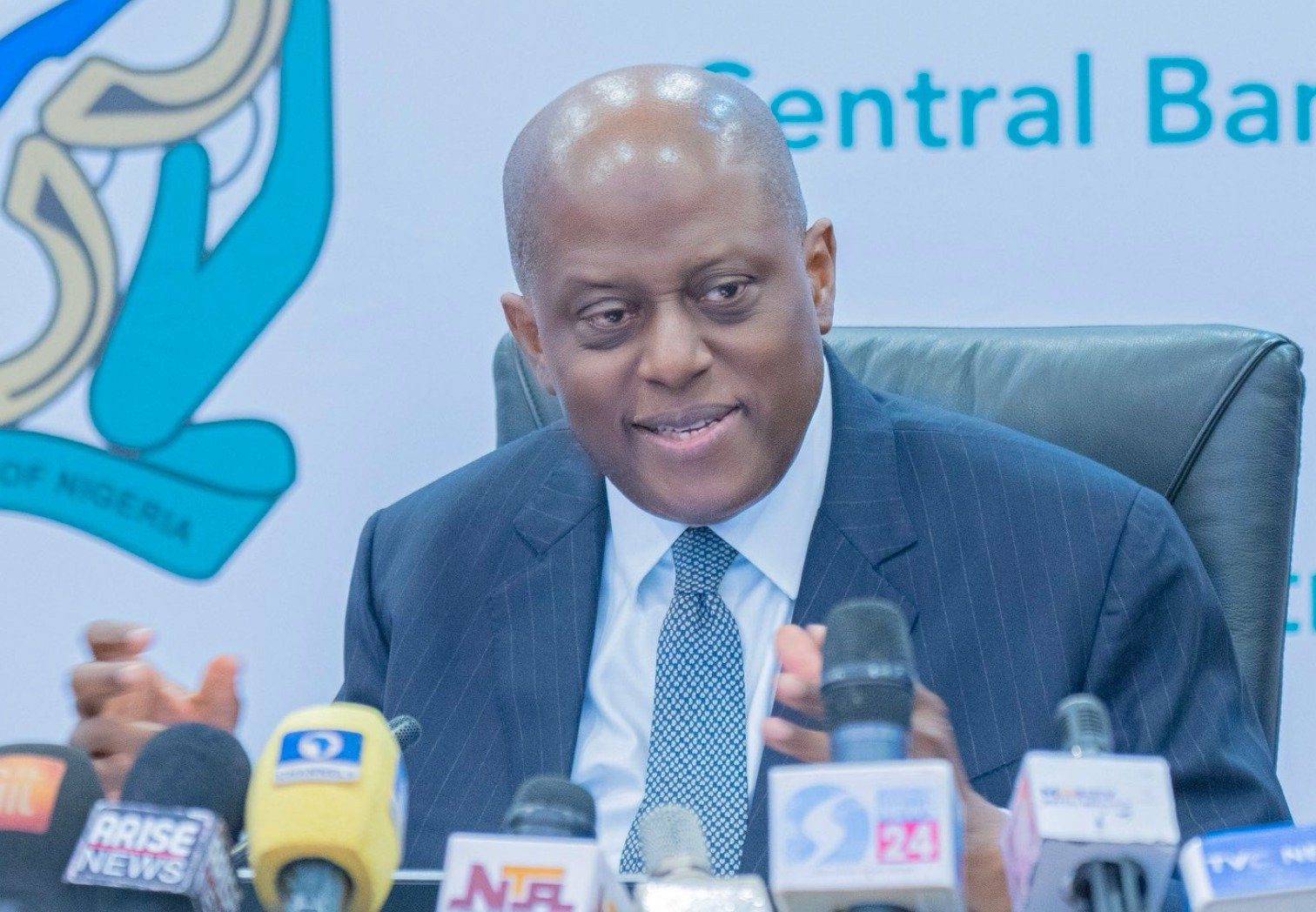
Nigeria has captured global attention thanks to bold reforms undertaken over the past two years, a development underscored at the recently concluded 2025 Annual Meetings of the International Monetary Fund and the World Bank Group. Central Bank of Nigeria Governor, Olayemi Cardoso, shared these insights during a press briefing in Washington, D.C., highlighting the strides the country has made in its economic agenda.
“These reforms have laid a strong foundation for Nigeria to pursue the next phase of inclusive growth, job creation, and poverty reduction,” Cardoso said. He described the meetings as a platform for Nigeria to showcase tangible progress while reaffirming its commitment to macroeconomic stability, fiscal discipline, and sustainable development.
The Nigerian delegation, including Minister of State for Finance, Dr. Doris Uzoka-Anite, engaged with the IMF, World Bank, International Finance Corporation, global rating agencies, fintech executives, development partners, and central banks. Cardoso noted that discussions were marked by confidence and a spirit of constructive partnership.
“There is broad recognition that Nigeria’s reforms are delivering results. Inflation is moderating, the exchange rate has stabilized, and investor confidence is returning,” he said. The CBN Governor emphasized that fiscal and monetary authorities are working seamlessly to sustain stability, deepen reforms, and ensure policy benefits translate into tangible improvements for Nigerians.
Recent economic indicators reflect this progress. Headline inflation fell to 18.02 percent in September, the lowest in three years, while the naira continues to strengthen, with the gap between official and parallel market rates narrowing below two percent. Nigeria’s foreign reserves now exceed $43 billion, providing over 11 months of import cover, bolstered by sustained inflows and renewed investor participation.
Public finances have also improved, thanks to better revenue mobilization, reduced governance costs, and rising non-oil earnings. Cardoso highlighted the impact of subsidy removals and expenditure rationalization, noting that these measures are creating fiscal space for infrastructure and human capital investment, opening opportunities for private sector participation.
On monetary policy, Cardoso confirmed that the CBN is relying on traditional instruments such as the Monetary Policy Rate, Cash Reserve Requirement, and Liquidity Ratio, while leveraging advanced analytics and artificial intelligence to strengthen operations, enhance forecasting, and improve policy transmission. Bank recapitalization is progressing steadily, making Nigerian banks stronger, more resilient, and globally competitive, while foreign exchange reforms continue to boost transparency and efficiency.
Cardoso also highlighted Nigeria’s upcoming chairmanship of the Intergovernmental Group of 24, effective November 1, 2025, describing it as a milestone reflecting international confidence in Nigeria’s leadership and growing influence in the global financial system.
Dr. Uzoka-Anite underscored the Nigerian delegation’s efforts to showcase ongoing reforms, particularly their impact on macroeconomic stability. She explained that improved fiscal management is enabling increased investment in infrastructure, the digital economy, and agriculture. Nigeria has also joined the World Bank’s agricultural innovation programme, which leverages blended finance to support women and youth-led agribusinesses.
“With new tax reforms and the digitization of revenue collection, we expect higher government revenue next year, providing more fiscal space for key investments and job creation,” Uzoka-Anite said. She emphasized that the reforms are driving private investment and empowering women and youth entrepreneurs, signaling a clear direction for Nigeria’s sustainable growth.