





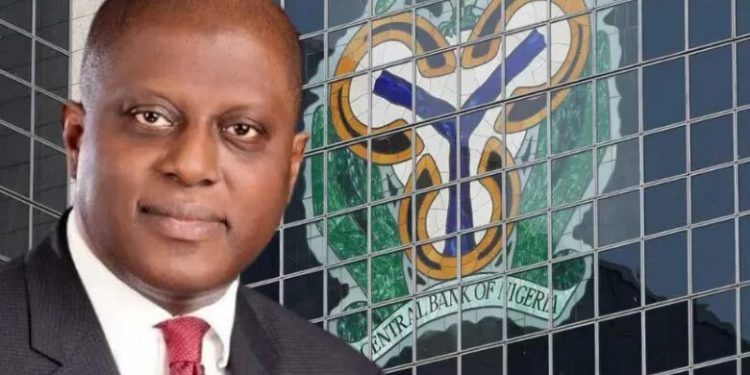
In a strategic move to boost dollar availability for everyday Nigerians, the Central Bank of Nigeria (CBN) has officially cleared licensed Bureau De Change (BDC) operators to resume active participation in the Nigerian Foreign Exchange Market (NFEM). This latest intervention is specifically designed to inject much-needed liquidity into the retail end of the market, making it easier for individuals and small businesses to access foreign currency.
Under the new directive, which was detailed in a circular signed by Dr. Musa Nakorji, the Director of Trade and Exchange, each eligible BDC is now permitted to purchase up to $150,000 on a weekly basis. These operators can source their foreign exchange from any Authorized Dealer Bank of their choice, provided the transactions are conducted at the prevailing market rates.
However, this increased access comes with a heavy dose of accountability. The CBN has made it clear that this isn’t a free-for-all, imposing stringent “Know-Your-Customer” (KYC) requirements and risk-management protocols. Banks are now mandated to perform thorough due diligence on every BDC client before any sale is finalized. Furthermore, to prevent currency hoarding, the apex bank has ordered that any unutilized foreign exchange must be sold back to the market within 24 hours. BDCs are strictly prohibited from holding onto these purchased funds to speculate on price changes.
Transparency is at the heart of this new framework. All licensed operators are required to submit accurate electronic returns promptly to ensure every dollar is accounted for. The settlement process has also been tightened: all transactions must pass through official settlement accounts with licensed financial institutions. Third-party dealings are completely banned, and cash settlements have been capped at a maximum of 25 percent of the total transaction value.
This balanced approach shows the CBN’s intent to deepen market efficiency while maintaining a watchful eye on the financial system’s integrity. By allowing BDCs back into the fold under such tight supervision, the regulator hopes to stabilize the exchange rate and ensure that the benefits of increased liquidity actually reach the public rather than being trapped in the hands of a few middlemen.