
































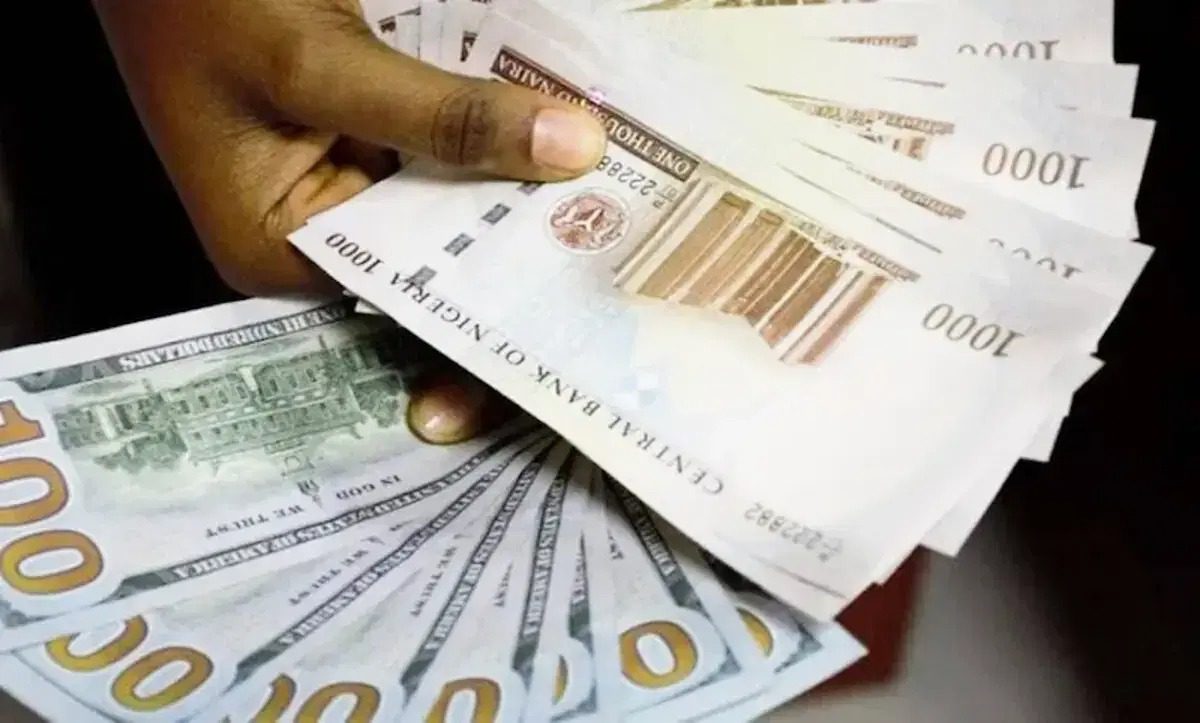
For anyone conducting business with Nigerian partners or planning a trip to the country, keeping an eye on the fluid dollar-to-Naira exchange rate is essential. This guide provides the latest market figures and a deeper look into the critical factors driving currency fluctuations today.
Understanding the Naira’s Value
The dollar-to-Naira exchange rate is simply the current value of one US Dollar when converted to the Nigerian Naira. This rate is set within the dynamic foreign exchange market, where it responds quickly to several influential factors, including domestic economic policies, political stability, and major global events. For travelers and business operators, grasping this rate is vital, as it directly impacts the cost of goods, services, and transactions within Nigeria. Staying ahead of the daily updates and long-term trends is the only way to manage your financial risks effectively.
Today’s Parallel Market Rate: October 22, 2025
The parallel market—the unofficial rate used by Bureau De Change (BDC) operators across major cities like Abuja, Kano, and Lagos—often reflects the real-time supply and demand for foreign currency. While slight variations exist across different locations, here is the going rate for the US Dollar today:
| Currency | Exchange Rate Today | Buying Rate | Selling Rate |
| USD to NGN | Black Market | N1480 | N1490 |
BDC operators have attributed the recent sharp upward trend in the exchange rate to a severe lack of foreign exchange liquidity combined with a surge in market demand. This shortage is evident even within the formal system, as some bank users with funds in their domiciliary accounts report difficulties withdrawing their foreign currency due to tightened liquidity.
Key Drivers of Exchange Rate Volatility
The value of the Naira against the Dollar is constantly being shaped by external and internal forces. Understanding these variables is key to forecasting exchange rate trends:
- Global Events: Geopolitical shifts and international economic crises can quickly impact investor confidence in emerging markets.
- Political Stability: Local political calm or unrest directly influences foreign investment inflows.
- Economic Policies: Government decisions—such as those encouraging foreign investment—can strengthen the Naira, while restrictive policies may weaken it.
- Inflation and Interest Rates: High domestic inflation and policy rate changes affect the relative purchasing power of the Naira.
- Trade Balances: The conditions of trade, particularly the nation’s ability to export and earn foreign currency, is a primary driver.
- Government Debt and Speculators: High public debt and the activities of market speculators can apply significant pressure on the Naira’s value.
Tips for Navigating Fluctuations
Managing personal or business finances in an environment where currency values fluctuate can be challenging. To minimize risk, consider these practical tips:
- Seek Competitive Services: When exchanging currency, look for reputable services that offer competitive rates and charge minimal fees to save on transaction costs.
- Monitor Trends Daily: Utilize online tools and resources—like those provided by Zoyols Blog—to keep a close watch on rate changes, enabling you to make informed decisions on when to exchange currency.
- Diversify Risk: Consider spreading your financial exposure across different investments, currencies, or markets. This strategy can help insulate your finances from sudden, adverse movements in any single currency’s value.
The Role of the Parallel Market in Nigeria’s Economy
The existence of a significant black market for foreign exchange has long been a subject of debate, with many arguing that it causes more harm than good—a sentiment that led the government to suspend the sale of dollars to BDC operators. However, it’s important to acknowledge that the black market has existed for decades, playing a crucial role in providing ordinary Nigerians with access to foreign currency when the formal banking system cannot meet demand.
To mitigate the negative impact of this parallel system, experts suggest the government should focus on:
- Regulation and Enforcement: Properly regulating BDCs and strictly sanctioning those who operate outside the rules to curb illegal practices.
- Economic Reform: Prioritizing the establishment and privatization of domestic refineries. This crucial step would drastically reduce the importation of petroleum products, which currently drains foreign exchange reserves and bleeds the economy.
- Safety and Support for Agriculture: Ensuring that support for farming is robust and that farmers, particularly in the northern regions, feel secure enough to return to their lands to boost local production and reduce food imports.
A Look at the US Dollar
As a point of interest, the US Dollar, the reference currency, has a rich history and circulation facts:
- The first USD paper currency was printed in 1862 to address a shortage of coins.
- Today, there is an estimated $1.54 trillion in USD currency circulating worldwide.
- To keep up with demand and replace damaged notes, over 38 million notes (worth about $541 million) are printed daily, with over 70% used to replace worn currency.
Staying informed and proactive regarding these dynamic trends is paramount for managing your financial stability in Nigeria. The exchange rate will undoubtedly continue to move in response to global economic shifts and political developments, and being prepared is the best defense.