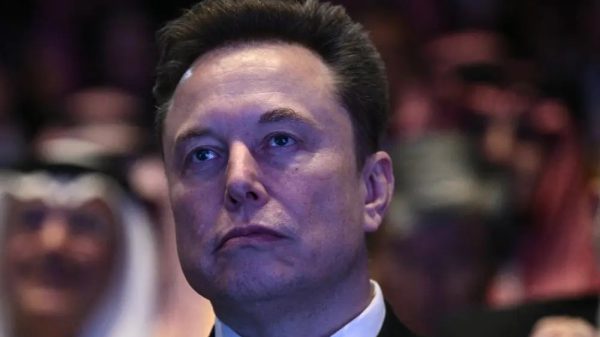













Elon Musk has ignited a firestorm on social media after leveling serious allegations against the South African government regarding Starlink’s licensing hurdles. In a series of posts on X, the SpaceX CEO accused officials of blocking the satellite internet service based on racial grounds. Musk went as far as claiming he was presented with “under-the-table” suggestions to bypass local ownership rules through misrepresentation or outright bribery—offers he says he rejected purely on principle.
The heart of the dispute lies in South Africa’s Broad-Based Black Economic Empowerment (B-BBEE) policy. Under current regulations, the Independent Communications Authority of South Africa (ICASA) requires foreign telecommunications firms to have at least 30% local Black ownership to secure a license. This presents a fundamental clash for SpaceX, which traditionally maintains full ownership of its operations worldwide. As an alternative to giving up equity, Starlink proposed a R500 million investment aimed at providing high-speed internet to 5,000 rural schools, a move that could benefit over 2 million students.
However, the narrative is not as simple as it appears. While Musk insists the service is being “blocked,” industry regulators have clarified that Starlink has yet to submit a formal license application. The process remains in a state of limbo because the formal regulatory pathway is still being refined. This has led to a confusing standoff where the company claims it is being excluded, while the government maintains that the proper paperwork hasn’t even hit the desk.
The delay comes at a significant cost to the digital landscape of the country. Currently, over 18 million South Africans live without high-speed internet access, even as the government aims to connect millions of households by the end of 2026. The absence of the service is particularly striking given that Starlink is already fully operational in neighboring African nations like Nigeria, Kenya, and Rwanda. Adding a layer of irony to the situation is the fact that Musk was born in Pretoria, yet his own home country remains one of the few in the region without his technology.
This friction has been brewing for well over a year. Throughout 2025, there were various attempts to find a middle ground, including legislative pushes by figures like Solly Malatsi to allow investment-based alternatives to the strict ownership rules. However, these changes are moving at a glacial pace. With local telecom giants raising their own concerns and various political groups threatening legal intervention, the battle for South Africa’s skies is far from over. The eventual resolution will likely set a major precedent for how global tech titans navigate the regulatory waters of Africa’s largest markets.