




































The story of artificial intelligence in Africa has long been centered on a familiar quartet: Lagos, Nairobi, Cairo, and Cape Town. These cities naturally dominate the conversation, capturing the lion’s share of venture capital and media attention. This concentration isn’t an accident; these hubs possess the infrastructure and financial networks to support high-level tech activity. However, this narrow focus has created a significant blind spot in the continental narrative.
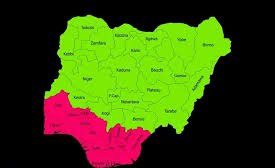
Beyond the headlines and far from the high-profile accelerators of the coast, a different kind of ecosystem is taking root across Northern Nigeria. This movement is growing without massive outside investment or global fanfare. Instead, it is fueled by a massive pipeline of engineering graduates from local universities and a vibrant culture of developer communities. These young technologists aren’t just observing the AI revolution; they are actively building with the tools, proving that the region is ready to become a major talent cluster.
Current data shared by Reports indicates that Nigeria’s tech scene remains heavily centered in Lagos. This centralisation has its drawbacks; as national funding reached a record low in 2025, the risks of relying on a single-city hub became harder to ignore. Founders in cities like Kano, Kaduna, or Jos often face a “credibility gap” when seeking investment, simply because they are outside the familiar Lagos circle. This often forces the best local talent to relocate, draining the very regions that are ripe for growth.
The rise of AI actually favors these emerging regions. Unlike previous tech cycles, AI development doesn’t require a coastal data center or physical proximity to a commercial megacity. A developer in Jos with a laptop and a steady internet connection can build sophisticated products using open-source models. This democratization of technology has lowered the barrier to entry, allowing Northern Nigeria to leverage its substantial academic foundations. With institutions like Ahmadu Bello University producing thousands of computer science graduates, the raw ingredients for a durable talent pipeline are already in place.
The geography of this talent matters because a few cities cannot produce the hundreds of thousands of specialists Africa will need to compete globally. Furthermore, when AI is developed locally, it solves local problems. A developer in the North is far better positioned to build AI tools for the Middle Belt’s agriculture or the unique logistics of Northern trade corridors than someone living in a different context. Keeping this talent local is a practical necessity for creating technology that actually works for the majority of the population.
Concrete evidence of this shift was on full display in late 2025. In Jos, the HackJos event celebrated a decade of innovation with over 500 participants producing 100 prototypes in just 48 hours. Projects ranged from AI-driven credit systems for small farmers to sophisticated logistics tools. Just a month later, Jos Tech Fest showcased AI platforms designed specifically for women entrepreneurs and urban mobility systems tailored for African cities. These aren’t just “grassroots” hobbies; they are sophisticated products born out of community-driven innovation.
For this momentum to become a permanent fixture on the global map, several things need to happen. University partnerships must shift from theoretical computer science to hands-on AI training. Additionally, the informal networks in Jos and Kano need more durable support from state governments and foundations to ensure they don’t fade between events. Even modest seed capital could prove that building locally is a viable career path, preventing the constant drain of talent to foreign markets.
The tech landscape of the next decade will likely look very different. The developer communities in the North are no longer waiting for permission to join the AI era; they are already in the thick of it. The real question is whether investors and policymakers will recognize this shift early enough to help convert this grassroots energy into a scalable, world-class talent map. Based on the activity recorded throughout 2025, the potential is no longer a theory—it is a reality happening right now.