




























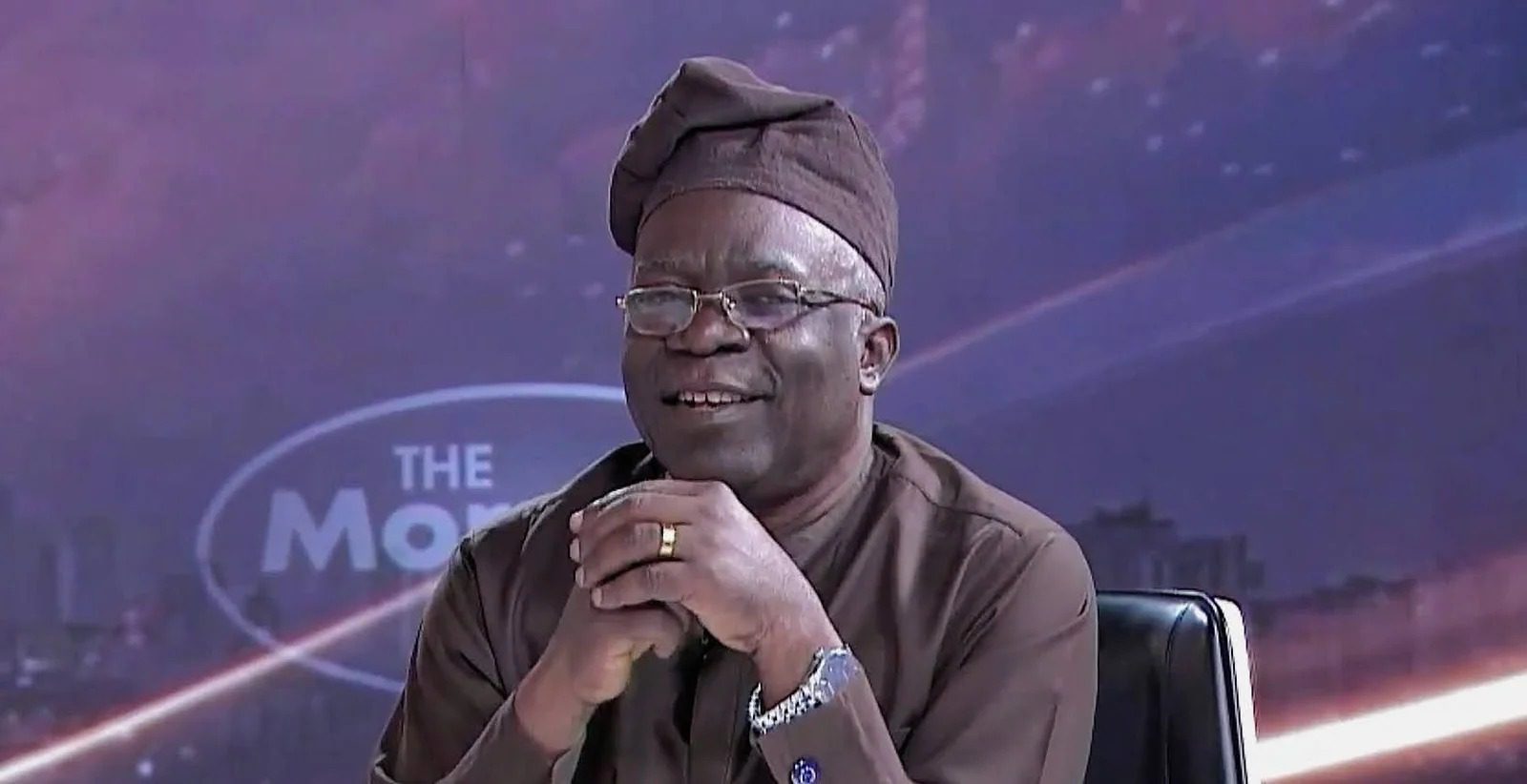
Senior Advocate of Nigeria Femi Falana has stressed that the country cannot effectively lead regional efforts against military takeovers without first addressing the root causes of domestic instability. His comments come as West Africa faces a renewed wave of military interventions.
Speaking on Channels Television’s Politics Today, Falana highlighted the need for Nigeria to confront deep-seated socioeconomic and political issues driving unrest. He emphasized that political stability requires tackling economic crises, reducing poverty, combating illiteracy, and ensuring the security of lives and property.
He also warned against the shrinking of civic and political freedoms, arguing that criticism of government should never be criminalized. Falana called for strengthened freedom of expression, saying citizens must be able to voice concerns without fear of legal repercussions.
The human rights lawyer urged the Independent National Electoral Commission to expand political participation. He noted that Nigeria must allow ideological political parties to register and challenge the ruling status quo, stressing that limiting opposition undermines democracy.
“Many citizens are unhappy with current policies,” Falana said, cautioning that democratic leaders across Africa often weaken opposition through restrictive measures. “Nigeria has to put its house in order to support political pluralism. You cannot move toward a one-party system and expect to export democracy.”
He highlighted that credible elections depend on a competitive opposition, noting that ruling parties frequently render rivals powerless through overt or subtle restrictions. Asked about the likelihood of future coups, Falana warned, “It won’t be the last. Once opposition leaders are jailed, exiled, or eliminated, political stability becomes impossible.”
Falana cited the recent failed coup in Benin Republic, where soldiers led by Lt. Col. Pascal Tigri attempted to seize power by taking over the state television station in Cotonou and announcing President Patrice Talon’s removal. The plot was suppressed within hours by Nigerian troops and the ECOWAS standby force, though several people were killed and at least 14 suspects arrested. Tigri remains at large.
He stressed that Nigeria must take proactive steps to stabilize the region, pointing out that grievances over security, military promotions, and restrictions on political freedoms fueled the uprising ahead of Benin’s 2026 elections.
Falana’s remarks coincide with the Nigerian Senate’s approval for President Bola Tinubu to deploy troops to Benin Republic, reflecting the country’s ongoing role in maintaining regional security.