



It has become a deeply ingrained habit for Nigerians to focus solely on the negatives emanating from the country. Every day, the public conversation is dominated by cries of devaluation, inflation, skyrocketing costs of living, and the pervasive fear of abductions and armed violence. This sad reality often obscures the fact that many of the nation’s current crises are direct consequences of institutional failures that span several decades.
These institutions are not flawed because they lack proper enabling laws. The core issue lies in the fact that they are often managed by agents of political patronage—individuals who may look qualified on paper but frequently lack the requisite political will or the ethical courage to execute the right policies. They are driven by the fear of losing their positions, an unfortunate consequence of prioritizing timidity over personal principle and core values.
It is a survival mindset born from watching others who chose to do the right thing suffer for it, only for society to move on with little consequence, save for the erosion of critical human capital. This dilemma—where those in office know the right path but choose the wrong one to appease political benefactors—is why many Nigerians despair of the country ever getting its act together.
A New Chapter at the Department of State Service
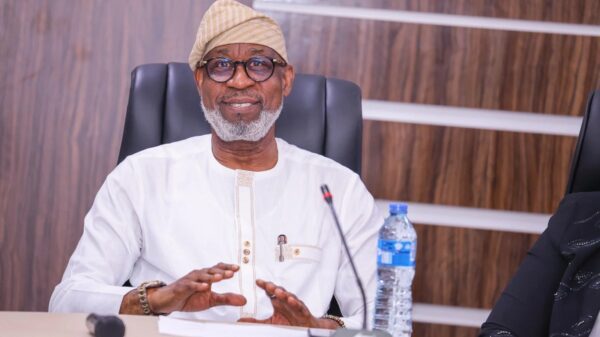
However, a refreshing change is emanating from an unexpected quarter, beginning to shift the relentless narrative of negativity. The ‘Renewed Hope’ agenda championed by the current administration appears to be genuinely reflecting in the conduct of the Department of State Service (DSS), particularly under the leadership of Mr. Oluwatosin Adeola Ajayi. Ajayi, a first-class degree holder from Brunel University, reportedly assumed office on August 28, 2024.
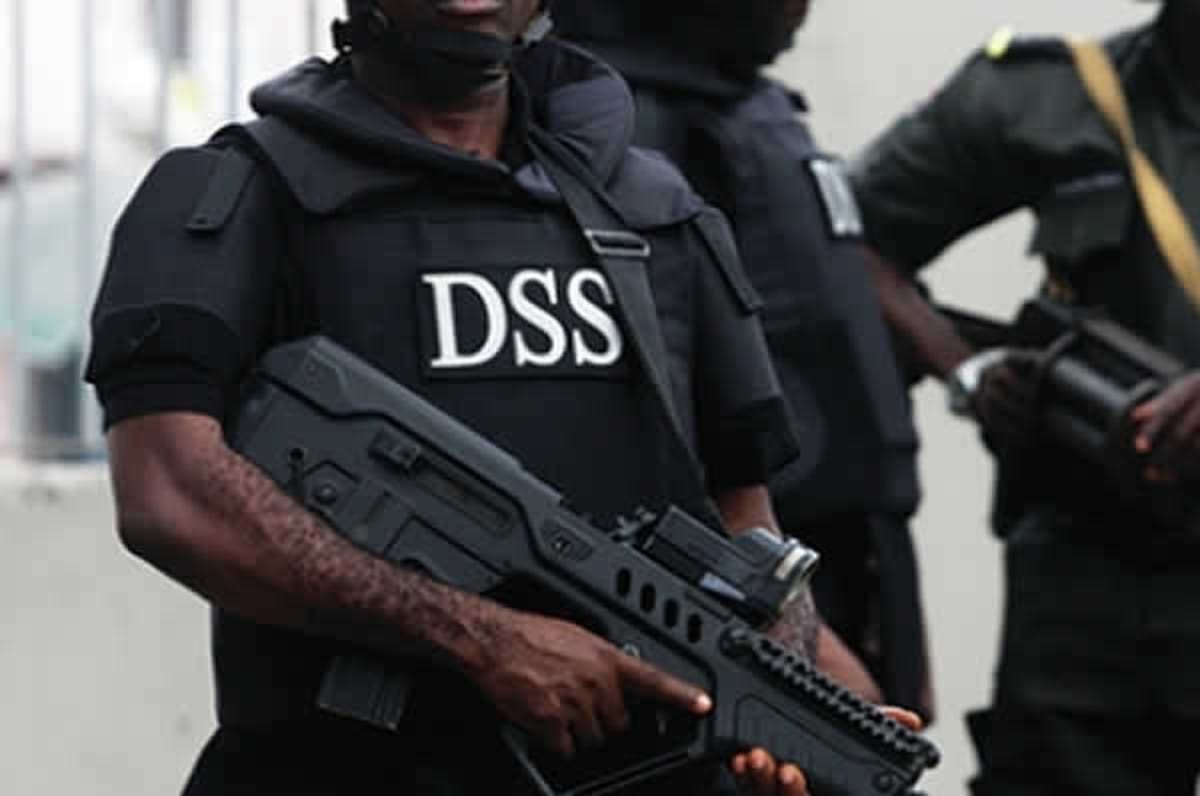
The DSS, for many Nigerians, has historically been synonymous with arbitrary actions, oppression, and the suppression of views critical of the government. The service’s past is marred by illegal arrests, the arbitrary closure of news media houses, unlawful detention of citizens, and a blatant disregard for court-awarded judgments—all carried out with impunity.
Today, however, we are witnessing a DSS Director-General with a renewed sense of humanity and a visible commitment to making a positive difference, barely a year into his tenure. Though young Nigerians might not fully grasp the weight of this transformation, those of us who have reported on the nation’s security architecture for decades recognize the significance of this shift.
Action Over Precepts: The Humane Face of Security
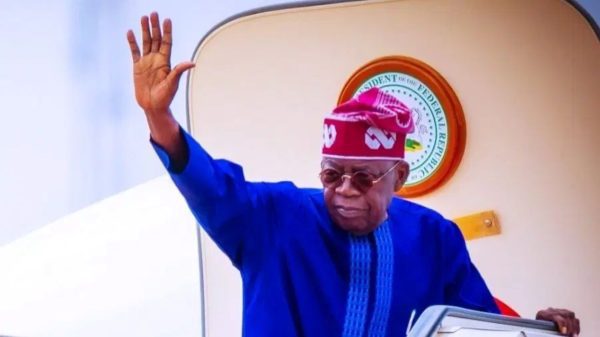
Mr. Ajayi is leading the DSS not just with rhetoric, but through commendable and verifiable actions. Reports, which are empirically corroborated, suggest he is actively instilling a humane face into the service’s operations. This is a massive credit to President Bola Ahmed Tinubu, GCFR, for making such a crucial appointment.
Unlike the service’s notorious history, individuals who were wrongly detained by the DSS have reportedly received substantial monetary compensation, a clear signal that the era of impunity is waning. This benevolence—applied to real people like Mrs. Chineze Ozoadibe and others, with figures running into millions of naira—demonstrates Ajayi’s commitment to straightening out the institution and addressing past wrongs.
The culture of brutish disposition and trampling on citizens’ fundamental rights is visibly receding. A key indicator of this new civility was the service’s handling of Professor Pat Utomi’s public musings about forming a shadow cabinet. Instead of the typical high-handed persecution, the DSS under Ajayi embraced constitutional procedure by approaching the court. The same measured response was seen when the service filed a suit against Omoyele Sowore for making what it termed unverifiable, ‘tarnishing’ statements against the President, choosing legal recourse over illegal detention.
Furthermore, Ajayi has shown an unprecedented level of accountability. When overzealous operatives recently detained Ms. Ruth Marcus and Keshia Jang, two reporters from Jay 101.9 FM, Jos, during President Tinubu’s visit to Plateau State, the Director-General immediately ordered their release upon hearing the news. Crucially, he also reportedly tendered an unreserved apology on behalf of the service to the Nigerian Union of Journalists (NUJ), a courtesy he extended previously to the management of TVC following the alleged harassment of one of its reporters.
A New Template for Justice
To see the DSS now taking recourse to judicial interpretation in matters of ‘national security’ is a refreshing and radical departure from the long-standing culture of impunity rooted in the service’s history—which can be traced back through colonial-era Special Branch units to the dreaded Nigerian Security Organisation (NSO) of the military regimes.
This renewed professionalism under Ajayi—typified by the courage to acknowledge errors and offer timely redress—is a massive boost to the administration’s goal of running a government that honours the inalienable rights of its citizens. Operatives will undoubtedly think twice before embarking on wrongful arrests, knowing their Director-General will not tolerate injustice.
If the DSS, under an ethical leader like Ajayi, can get it right by fostering an environment that encourages subordinates to “dream, do more, and become more,” then there is genuine hope for a swift and substantial improvement in the country’s global human rights record. The President, as a self-proclaimed ‘talent hunter,’ must recognize that there are many more “Ajayis” in our midst waiting to fill critical positions. While there is still significant work to be done to address institutional deficiencies across the board, the commendable efforts by the current administration.