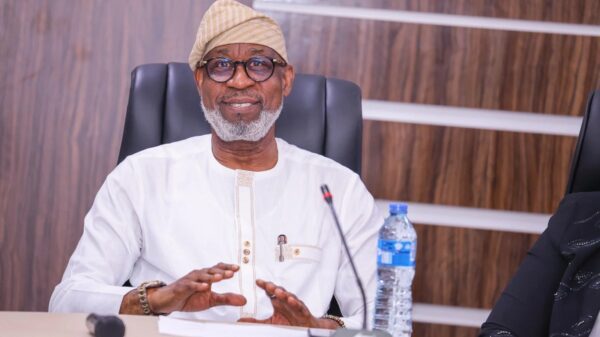




























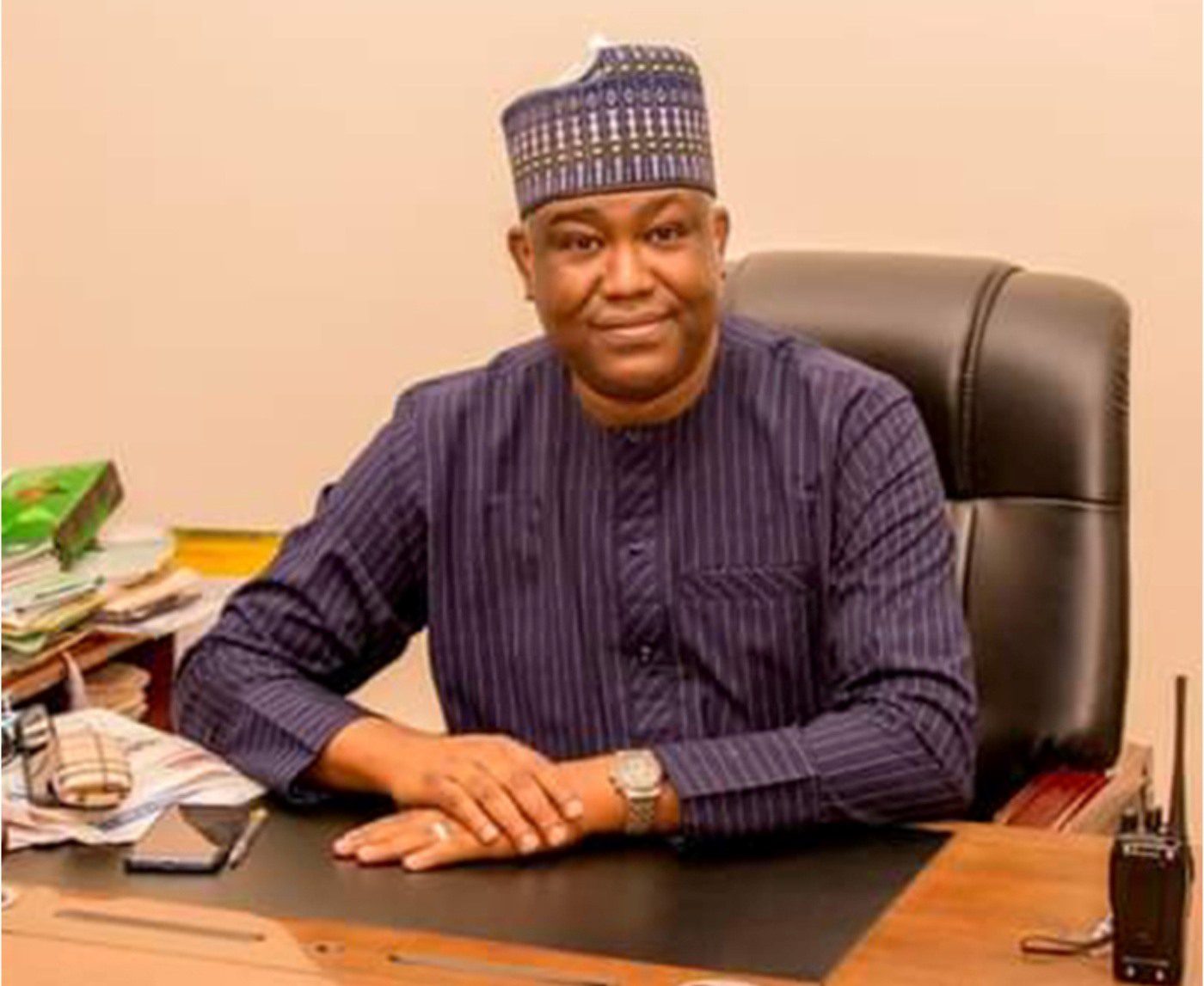
In a sharp critique of the current political climate, Dr Gbenga Hashim, a presidential hopeful under the Peoples Democratic Party (PDP), has warned that the revival of North-South power-sharing debates is a dangerous distraction from Nigeria’s pressing challenges. Hashim’s comments come as political maneuvering for the 2027 general elections begins to gain momentum, with some elements within the ruling All Progressives Congress (APC) pushing for a more formal structure for rotational presidency.
Speaking on the matter, Hashim accused aides and supporters of President Bola Tinubu of trying to fracture the country along ethnic and regional lines to avoid accountability. He specifically reacted to recent suggestions by the Chief of Staff to the President, Femi Gbajabiamila, who indicated that a legal framework for the rotation of power between the North and South might be necessary for national stability. Hashim characterized this move as a “pedestrian and reckless” strategy designed to shield the current administration from public scrutiny over its performance.
Hashim argued that Nigerians are no longer interested in where a leader comes from, but rather in the results they can deliver. He noted that since the return to civil rule in 1999, both the North and the South have had significant time at the helm with the South holding the presidency for approximately 17 years and the North for about 10. For him, the persistence of poverty, insecurity, and economic hardship across both regions proves that leadership failure is not a matter of geography.
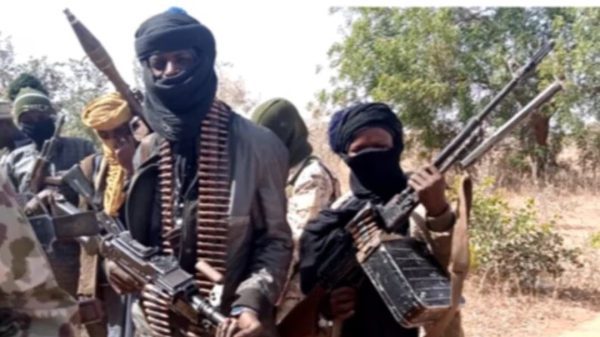
The PDP chieftain warned that leanings toward ethnic and regional narratives are “lazy politics” that insult the intelligence of Nigerians currently struggling with deep economic distress. He noted that using the North-South dichotomy as a political tool only serves to undermine the nation’s security interests and the spirit of true nationhood.
Looking toward 2027, Hashim insisted that the era of “emotional blackmail” is over. He called on citizens to reject any attempt to divide them, asserting that the next election cycle will be decided by performance and leadership quality rather than tribal or regional loyalty. In his view, the APC will find it impossible to hide behind regional sentiments when voters head to the polls to demand real solutions to the country’s crises.