

























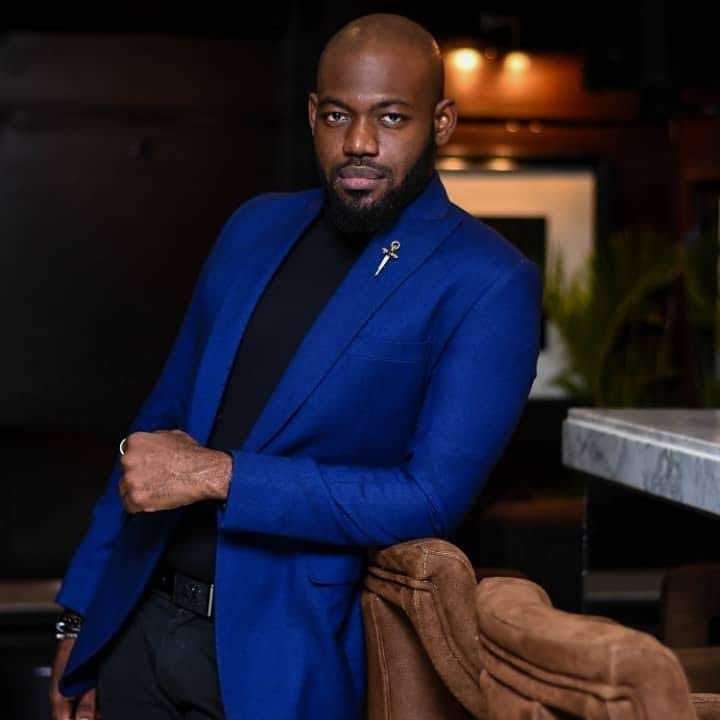
Michael Onome Ejoor, a powerhouse in the Nigerian film industry, has carved out an impressive path as an actor, director, and creative force. While many fans currently celebrate his gripping portrayal of Inspector Onome in the hit Netflix crime thriller, To Kill a Monkey, his journey to the spotlight was far from linear. In a recent, candid conversation on a podcast with Paul and Baaj, Ejoor opened up about the unconventional way he discovered his passion for acting during one of the most challenging chapters of his life.
Back in 2015, at the age of 27, Ejoor was navigating a series of personal storms. He had lost his job and was grappling with both a difficult heartbreak and the emotional toll of his mother’s battle with chronic kidney disease. Seeking a distraction from the depression setting in, a close friend encouraged him to get involved in a musical production at the National Theatre. Though he originally thought he would focus on the musical elements, fate had other plans. When the male lead missed a rehearsal, Ejoor stepped in to run lines and left the cast stunned. By the time the final show arrived, he was the one wearing the costume, having memorized the entire script through sheer enthusiasm and observation.
That stage experience was the catalyst that changed everything. Encouraged by his peers to pursue performance professionally, he eventually enrolled in acting school—a decision driven by his deep respect for the craft and a desire to formalize his talent beyond his background in accounting and finance. His natural curiosity soon pulled him behind the camera as well. Ejoor noted that he possesses an innate desire to understand the holistic mechanics of filmmaking rather than just focusing on his individual role. This analytical approach has led him to collaborate with and understudy established directors, pushing him to maintain high standards in an industry where he feels quality control can sometimes be inconsistent.
Beyond his professional evolution, Ejoor used the platform to discuss the pressures facing today’s youth and his own journey with mental health. He admitted that, for years, he feared that being open about his struggles would cost him opportunities in a competitive industry. However, finding support from colleagues gave him the courage to become a vocal advocate for mental health awareness. He emphasized that the modern environment is incredibly tough, noting that the economic hurdles faced by Gen Z are vastly different—and often more daunting—than what he faced in his own youth.
The conversation also took a philosophical turn as Ejoor shared his unfiltered take on modern relationships and success. He stressed the importance of building a genuine support system long before fame arrives, warning that success often makes it impossible to know who to trust. When the topic shifted to love and the societal pressure to marry, he offered a blunt assessment. He argued that many people are settling into relationships out of a fear of being alone, driven by societal judgment rather than authentic connection. He concluded with a poignant message for young people: take the pressure off, learn to enjoy your own company, and never feel ashamed for acknowledging when life becomes overwhelming. His advice is simple but vital: give yourself space to breathe, make mistakes, and remember that you do not need to have an opinion on or engage with every piece of negativity that pops up on your screen.