

























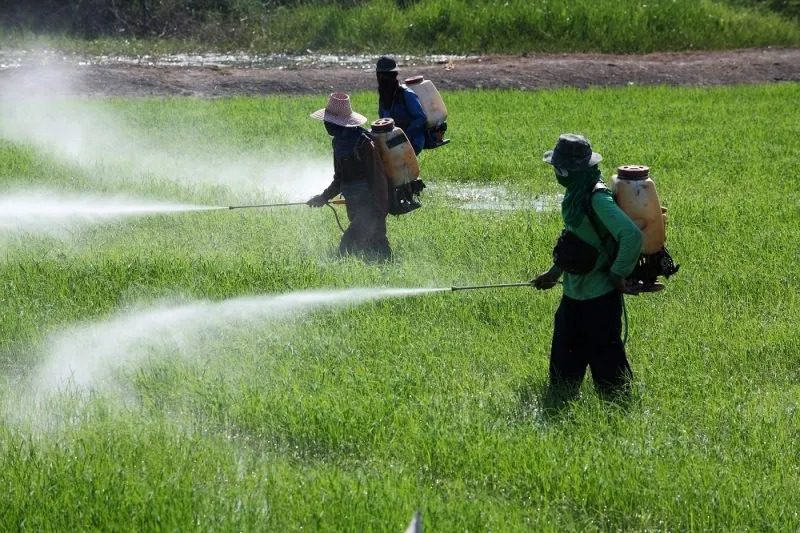
In early January 2026, a popular Nigerian television host opened her morning show with a disclosure that left many viewers unsettled. During a routine check-up, her doctor discovered traces of pesticides and nicotine in her blood. The shock for her was that she is a non-smoker and meticulously careful about eating “clean” vegetables. Her story isn’t just a personal health scare; it is a rare, public admission of a silent crisis creeping into the veins of millions of Nigerians who have no idea how these toxins entered their bodies.
In Nigeria, the conversation around pesticides usually centers on farming yields and food security. We rarely hear them discussed as a major public health threat or, more importantly, a primary driver of poverty. These toxic chemicals are imposing a financial burden on households that far outweighs any benefit they provide to agricultural output. For the average Nigerian, the path from chemical exposure to a hospital bed is a direct and devastating journey.
The data reveals a grim picture. Nigeria records roughly 127,000 new cancer cases annually, but this number mostly reflects those who can afford a hospital visit. With over 129 million Nigerians living below the poverty line, the true scale of the crisis is likely buried in the villages and urban slums. Experts suggest that when you account for the higher exposure risks among the poor who handle chemicals without protective gear and eat contaminated produce the actual number of new cancer cases could plausibly sit between 300,000 and 400,000 every year.
This is not just a health issue; it is a massive economic drain. Most poor Nigerians rely on physical labor farming, trading, or transport to survive. When chronic illness like kidney disease or cancer strikes, productivity vanishes long before the patient even receives a diagnosis. Conservative estimates suggest that lost productivity alone costs the nation between N45 billion and N70 billion annually. This doesn’t even touch the cost of medical bills or the financial ruin that follows when a breadwinner can no longer work.
The most frustrating part of this reality is that it is largely preventable. Many of the pesticides sold openly in Nigerian markets are banned or strictly restricted in other parts of the world due to their links to organ failure and neurological damage. Our current regulatory environment essentially allows global risks to be dumped onto local farmers and consumers. We are prioritizing short-term crop yields over the long-term survival of our people, creating a “cheap food” illusion that is paid for in human lives.
Moving forward, Nigeria must look toward agroecological and organic farming methods. These aren’t just “green” trends; they are economic necessities that protect the soil and the people who till it. We cannot claim to be fighting poverty while we allow preventable diseases to strip families of their dignity and income. Until we treat pesticide regulation as a national emergency, our hospital wards will continue to overflow with people who thought they were simply eating a healthy meal.