




















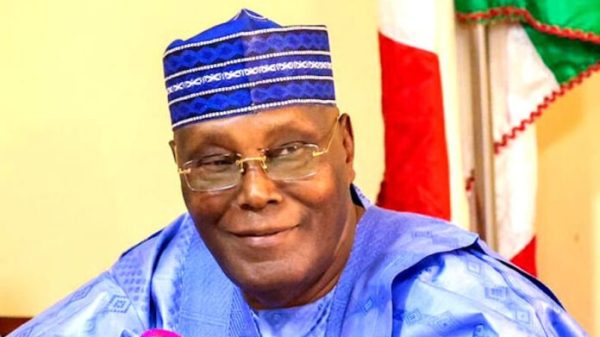


Iran’s Ambassador to Nigeria, Gholamreza Mahdavi Raja, spoke on Monday about the ongoing crisis in the Middle East, asserting that the United States’ actions are motivated by a desire to control Iran’s oil rather than concerns over nuclear weapons. He stressed that Iran remains in control internally, with its government functioning normally and its security institutions fully operational.
Despite recent attacks, Raja said the Iranian people are united in defending their nation. “Iran has a long history of resilience in the face of external pressure,” he noted, emphasizing that while some infrastructure has been damaged, the country’s key institutions and capabilities remain intact. He also highlighted the election of Ayatollah Mojtaba Khamenei as the new Supreme Leader, describing it as a clear affirmation of the country’s leadership structure and a signal that governance will continue smoothly.
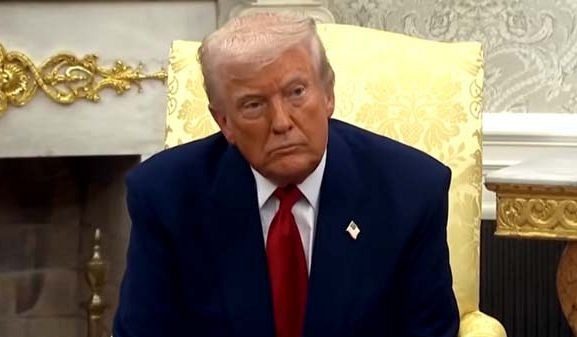
On claims by former U.S. President Donald Trump that America should have a say in Iran’s leadership, Raja firmly rejected any foreign interference. “Iran is an independent country. We make our own decisions, and our people will not allow foreigners to determine our domestic affairs,” he said.
Addressing the impact of the conflict, the ambassador acknowledged casualties and damage caused by military strikes, including the tragic attack on a primary school in Minab City that killed 168 children. Despite these losses, he emphasized that life continues in Iran with essential services like electricity still operational, though schools and universities were temporarily closed for safety.
Raja also responded to accusations that Iran targets civilian areas abroad, clarifying that Iranian operations focus solely on military assets and installations of the United States in the Persian Gulf. “We attack U.S. bases used to launch assaults on Iran, not the territories of our friends in the Gulf,” he said.
On diplomacy, he maintained that Iran supports peaceful resolutions but insisted that a ceasefire must address the root cause of the conflict. “Iran did not start this war. We were attacked, and expecting the victim to accept a ceasefire without resolving the aggression is neither realistic nor just,” he added.
Regarding Iran’s nuclear program, Raja said the country remains under full International Atomic Energy Agency monitoring and adheres to all regulations, insisting its nuclear activities are for peaceful purposes. He contrasted this with Israel, which possesses hundreds of nuclear warheads and is not a signatory to the Nuclear Non-Proliferation Treaty.
On regional concerns, the envoy dismissed allegations that Iran sponsors terrorism in Nigeria, calling them politically motivated and baseless. “We respect Nigeria’s sovereignty and have never supported any activity to destabilize the country,” he said. He also clarified that Iran maintains only moral, spiritual, and cultural ties with Muslim groups in Africa, without providing financial support.
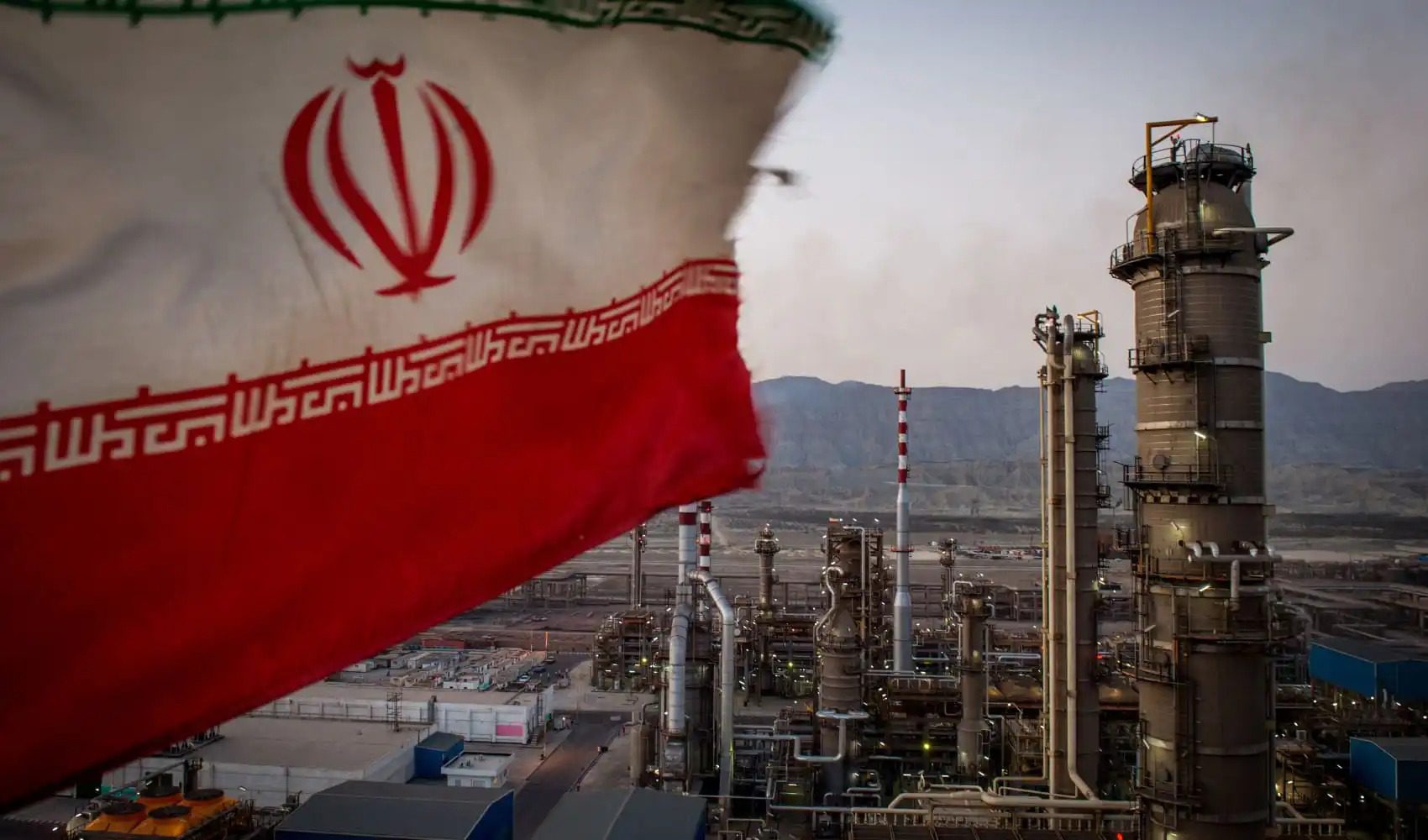
Addressing the Strait of Hormuz, Raja denied any closure, stating that Iran monitors maritime traffic to ensure security while allowing navigation under international law. He stressed that rising global fuel prices are a direct result of conflict in the Persian Gulf and the region’s strategic instability caused by external aggression.
Raja concluded by affirming Iran’s preparedness to defend its territory, people, and leadership. “The main goal of the United States and the Zionist regime is to control Iranian energy reserves and disintegrate the country,” he said. “Iran remains fully capable of protecting its sovereignty, its citizens, and its leadership.”
The ambassador’s comments underscore Iran’s position that its internal affairs, including governance, defense, and nuclear energy, remain fully under its control, while it faces external pressure from nations pursuing strategic interests in the region.