




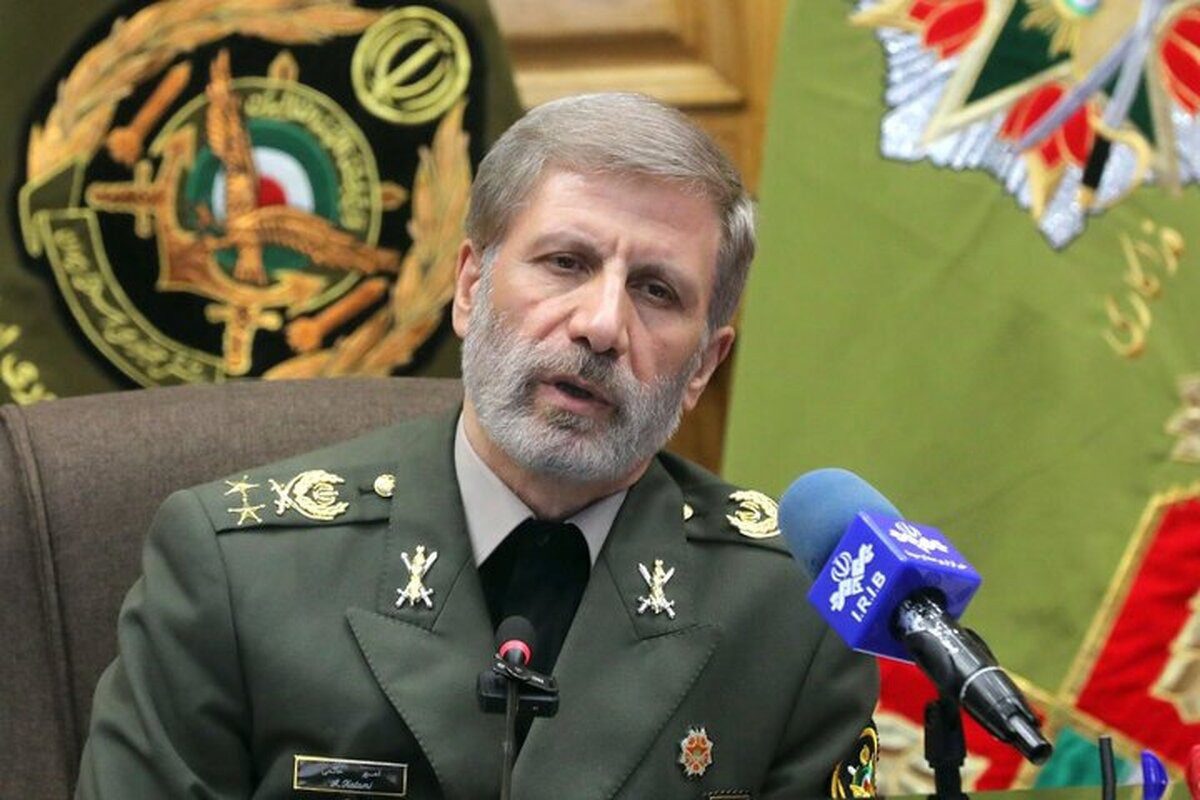
In a sharp escalation of regional tensions, Iran’s military leadership has warned that it will not tolerate continued “hostile rhetoric” from the United States and Israel. General Amir Hatami, the commander of the Iranian Army, stated on Wednesday that the Islamic Republic is prepared to respond decisively to any perceived threats, particularly as both Washington and Tel Aviv have publicly voiced support for the latest wave of anti-government protests across Iran.
General Hatami, addressing students at a military academy in Tehran, cautioned that any “miscalculation” by foreign adversaries would be met with a force far greater than what was seen during the 12-day war in June 2025. The General emphasized that the Iranian military’s readiness is now at an all-time high, following a year of intense direct confrontation and regional instability.
The friction intensified recently after U.S. President Donald Trump warned that the United States would hit Iran “very hard” if the government used lethal force against demonstrators. Meanwhile, Israeli Prime Minister Benjamin Netanyahu has openly declared solidarity with the protesters, describing their struggle as a quest for liberty and justice. Tehran has reacted by accusing both leaders of inciting domestic violence and attempting to fracture the country’s national unity.
The backdrop to this military posturing is a deepening economic crisis within Iran. Protests initially erupted in late December after merchants in the Tehran bazaar went on strike over the collapsing value of the rial and skyrocketing inflation. While these demonstrations have not yet reached the massive scale of the 2009 or 2022 movements, they have drawn significant international attention, especially as some clashes have reportedly turned deadly.
The regional memory of the June 2025 conflict remains fresh, a war that saw unprecedented direct strikes on Iranian nuclear and military sites by Israeli and U.S. forces. General Hatami’s latest comments serve as a clear signal that Tehran is unwilling to back down, even as it struggles with internal dissent and the weight of international sanctions.
As both sides continue to trade warnings, the risk of another direct military confrontation looms large over the Middle East. For now, the Iranian government appears to be balancing a domestic crackdown with a high-stakes game of external deterrence, leaving the international community on edge.