































The Kaduna State Government has revealed a major strategic shift in its approach to tackling years of devastating killings and kidnappings. Rather than resorting to cash payments or outright confrontation, the state is now offering armed groups access to fundamental social services, including education, healthcare, and livelihood opportunities, as a path to peace.
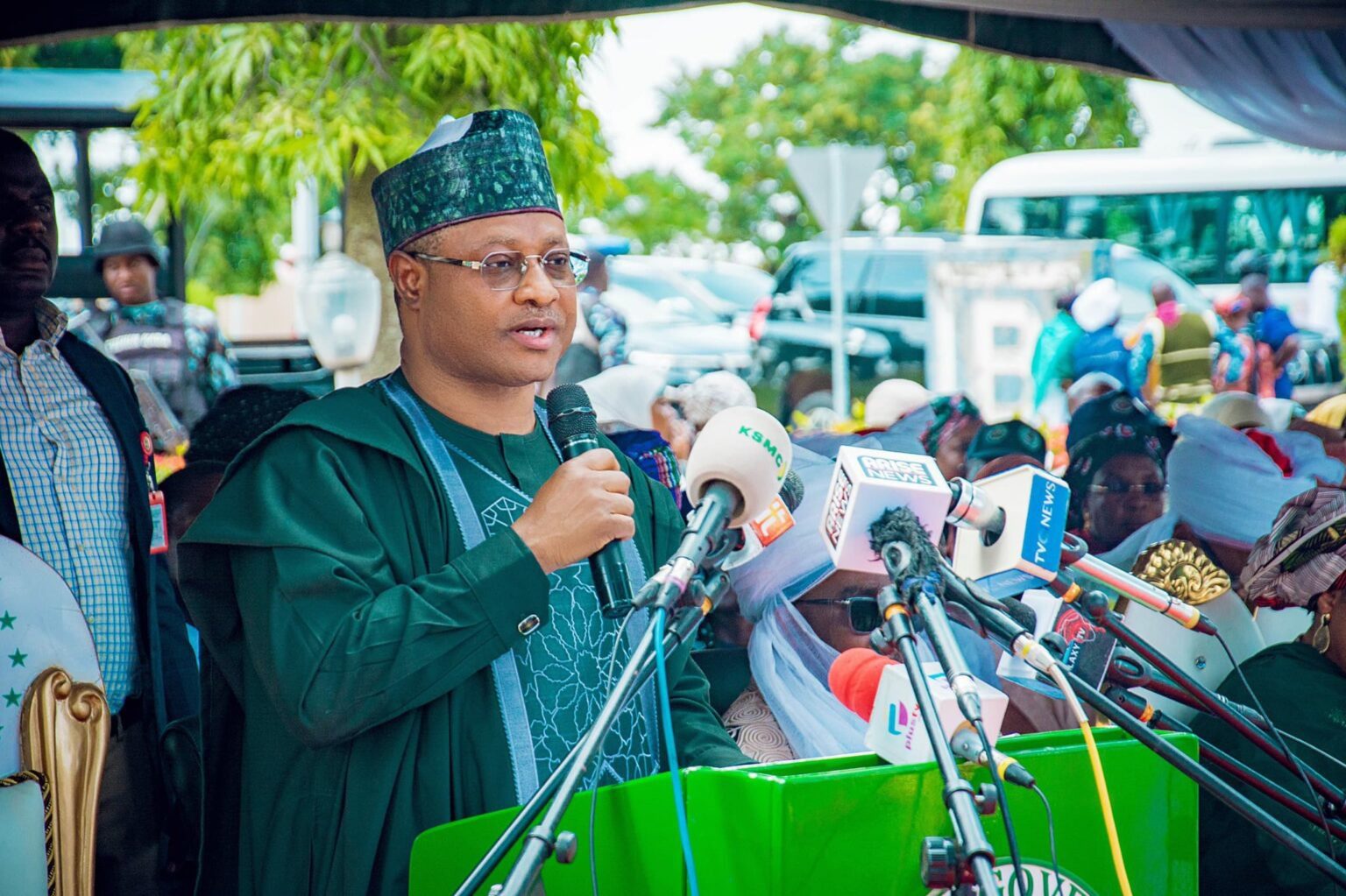
This initiative, dubbed the Kaduna Peace Model, represents a deliberate pivot from traditional conflict management to conversation and development. Malam Ahmed Maiyaki, the state Commissioner for Information, disclosed the details during a one-day workshop on Peace Journalism. He stressed that the focus is on restoring humanity through dialogue and development instead of financial appeasement.
“You cannot bomb peace into existence; you must build it with trust,” the Commissioner declared.
The turning point in the state’s approach came during dialogues when leaders of the armed groups requested that the government prioritize the reopening of essential services. “They asked the government to reopen markets, schools, and healthcare centers that had been closed due to insecurity,” Maiyaki revealed. “We agreed because these are basic human needs, not ransom payments. We didn’t give them a dime. What we gave was life back to communities long abandoned.”
The Stark Cost of Insecurity
The necessity for this non-kinetic strategy is underscored by the horrifying statistics of the past few years. Between 2015 and 2023, Kaduna State recorded 1,160 security incidents, resulting in 4,876 deaths, with thousands more kidnapped or displaced. The crisis peaked in 2021, when 1,192 people were killed and 3,348 abducted. The unchecked violence forced the closure of 142 schools and 192 health facilities. At one point, the international community had even declared Kaduna a “red zone.”
Now, the state is gradually reclaiming its image through this new approach, which is anchored on intelligence sharing, socio-economic inclusion, and dialogue, all in partnership with the Office of the National Security Adviser (ONSA).
Through the joint ONSA–Kaduna Peace Committee, the government has successfully secured the safe release of more than 500 captives via negotiation, explicitly without the use of force or the payment of any ransom. This shift has resulted in palpable changes on the ground.
“We are seeing trust where there was fear, and cooperation where there was hostility,” Maiyaki concluded.