


































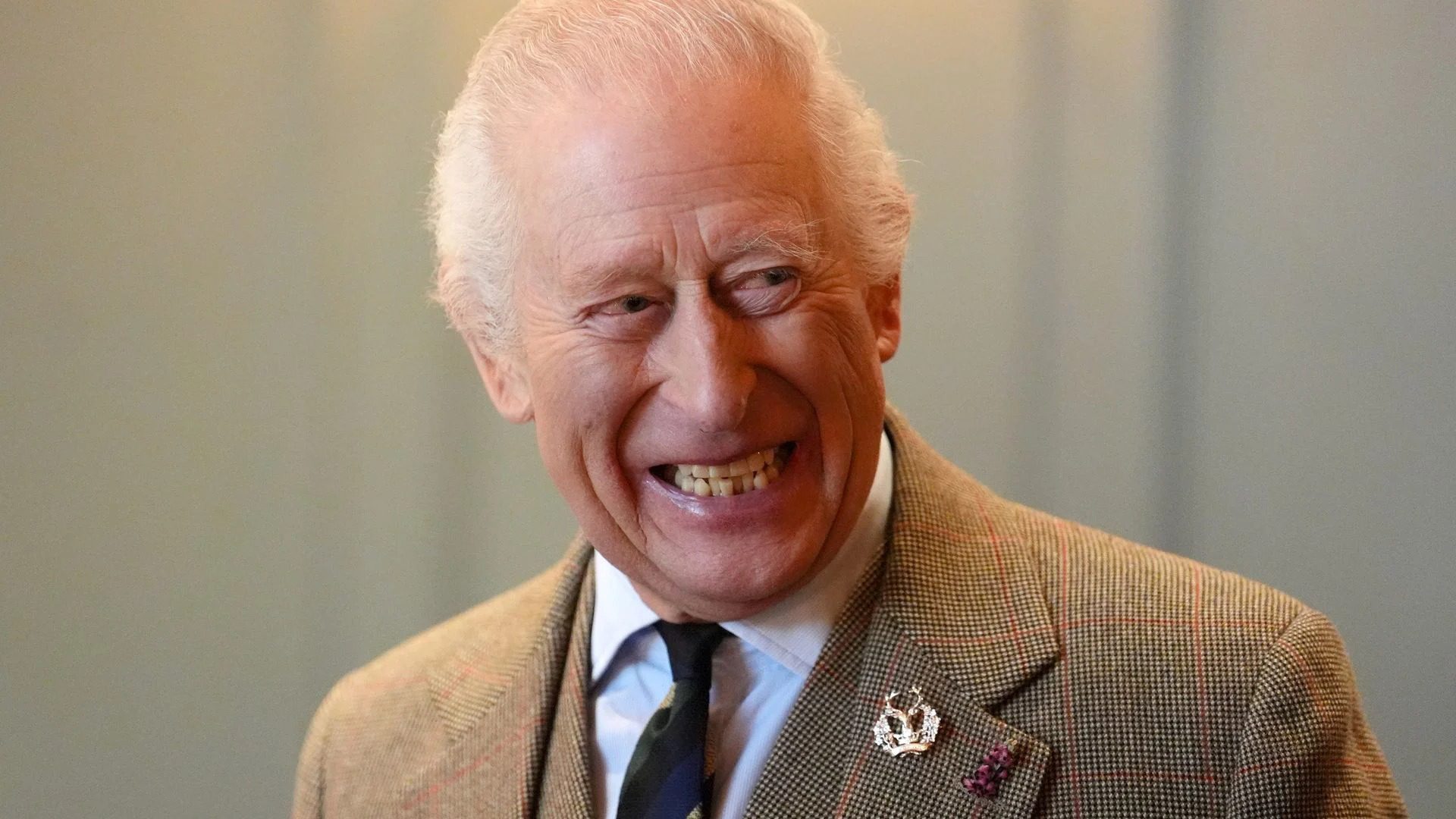
King Charles III has paid tribute to LGBTQ military personnel in the United Kingdom, laying a wreath at the country’s first-ever memorial dedicated to their service and struggles. The ceremony, held on Monday at the National Memorial Arboretum in Staffordshire, marked a powerful moment of recognition for those who were long denied the right to serve openly.
Although Britain began the process of decriminalising homosexuality in 1967, a strict military ban on gay, lesbian, bisexual, and transgender service members remained in place until 2000. For decades, countless men and women were investigated, harassed, dismissed from service, and even stripped of their pensions simply for their sexual orientation or gender identity. Many lived out their lives in silence and poverty as a result.
Standing before the new bronze memorial titled An Opened Letter, King Charles, who serves as head of the UK’s armed forces, joined serving soldiers, veterans, and families in paying homage to those affected by the discriminatory policy. The monument, shaped like a folded letter inscribed with words taken from personal testimonies, symbolises both pain and resilience.
“For hundreds of LGBT veterans, their experiences were catastrophic — their lives and careers destroyed,” said Brigadier Clare Phillips during the dedication. “Today’s unveiling reminds us that we stand on the shoulders of giants — people who endured discrimination and persecution so that others could serve openly and proudly.”
The memorial’s creation was among 49 recommendations from the 2023 Etherton Review, a government-commissioned investigation that exposed the “horrendous” treatment of LGBTQ veterans between 1967 and 2000. On the day the report was released, then–Prime Minister Rishi Sunak publicly apologised, calling the mistreatment of LGBTQ service members “an appalling failure” of the British state.
Following the review, the government established a compensation scheme of up to £70,000 for former service members who were dismissed, harassed, or denied benefits because of their sexuality or gender identity.
The ceremony not only honoured those who suffered but also reflected how far the nation has come in acknowledging and embracing diversity within its armed forces.
Reports shows that An Opened Letter now stands as a permanent reminder of courage, loss, and the long journey toward equality in Britain’s military history.