

































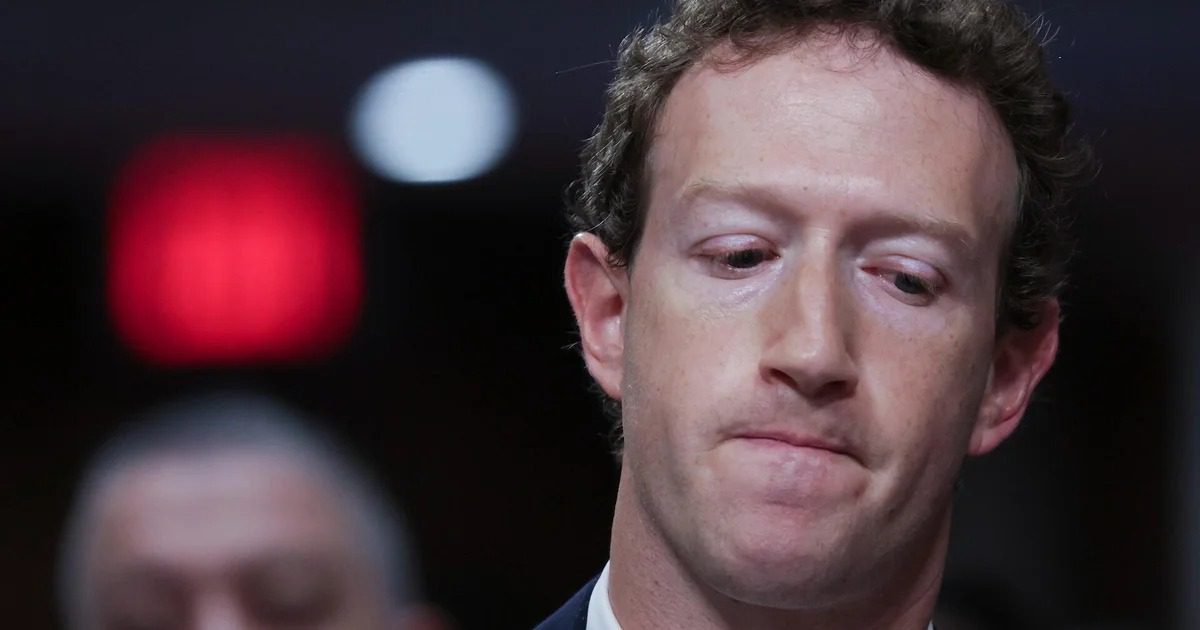
The legal world is watching Los Angeles this week as Meta CEO Mark Zuckerberg stepped into a courtroom to face a landmark trial. The proceedings center on a high-stakes accusation: that Instagram and other major social media platforms were deliberately engineered to hook young users, leading to a widespread mental health crisis among the youth.
As the 41-year-old leader of the tech empire that oversees Facebook, Instagram, and WhatsApp, Zuckerberg is the trial’s most anticipated witness. This case is being treated as a bellwether for thousands of similar lawsuits across the United States. It marks the first time the billionaire has had to defend the safety and design of his platforms directly in front of a jury, rather than a congressional committee.
The specific case focuses on the experience of Kaley G.M., a 20-year-old California resident who began using YouTube at just six years old and Instagram at eleven. The jury is tasked with deciding if Google’s YouTube and Meta’s Instagram bear legal responsibility for her long-term mental health struggles. The trial is unique because it focuses strictly on the technical design, algorithms, and personalization features of the apps, rather than the content users post, which is largely protected by federal law.
The tension in the courtroom has been palpable. Earlier in the month, Instagram head Adam Mosseri testified, notably rejecting the term “addiction” and opting instead for the phrase “problematic use.” He compared binging a social media feed to staying up late to watch a Netflix show a comparison that drew visible frustration from grieving parents in the gallery, many of whom have lost children to suicide and had camped out in the rain just to secure a seat.
Internal documents have added fuel to the fire. Evidence presented in court suggested that Zuckerberg personally pushed to allow cosmetic surgery filters on Instagram back in 2020. This decision reportedly went against the advice of other executives who warned that such features could be devastating to the self-esteem of young girls. The documents hinted that the move was driven by a fear of losing market share to rivals like TikTok.
While TikTok and Snapchat were originally part of this complaint, they reached private settlements before the trial began. Now, the spotlight remains firmly on Meta and Google. The outcome of this trial, along with others scheduled for later this summer, will likely set the standard for how the legal system handles the growing epidemic of anxiety, depression, and eating disorders linked to the digital age.