


































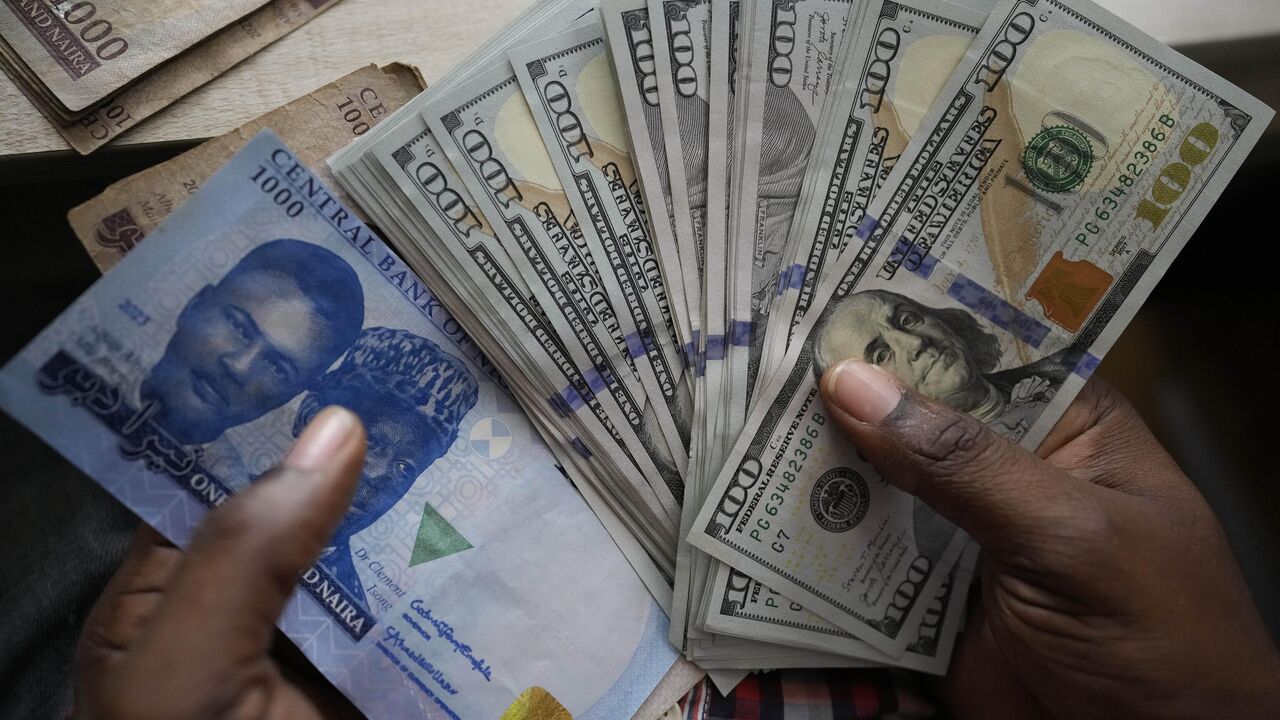
The Nigerian Naira showed a sense of steady resilience during the early trading hours of Tuesday, January 20, 2026. This stability comes as the market digests the government’s latest economic projections, which aim for a consolidation of current gains and a targeted growth rate of 4.68 percent for the year.
According to data tracked by Reports in the official Nigerian Foreign Exchange Market (NFEM), the Naira opened the day at about 1,419.37 against the US Dollar. By mid-morning, the currency saw a modest boost, moving to 1,417.53 per dollar. This slight appreciation of 0.13 percent suggests a period of relative calm in the official window, largely credited to better transparency in how the central bank manages liquidity and external debt.
Finance officials have pointed out that while the country’s debt figures remain on the high side, previous currency reforms have helped stabilize the debt-to-GDP ratio. This has created a more predictable atmosphere, which is good news for both local manufacturers and foreign investors who have been looking for signs of long-term consistency.
In the parallel market, the dollar continues to trade at a premium compared to the official rate. In major hubs like Lagos, Kano, and Abuja, exchange rates are currently hovering between 1,465 and 1,480. While a gap still exists between the two markets, it is much narrower than the volatile spreads we saw in previous years. Traders in Lagos noted that the early hours of the day were free from the usual speculative spikes, with supply meeting the current retail demand.
Looking ahead, experts believe the Naira is entering a consolidation phase. With inflation showing signs of easing, the focus is now on the central bank to maintain a balance between keeping the market liquid and hitting the nation’s growth targets. As always, global oil prices remain a wildcard, as any major shift in the oil market could quickly impact foreign reserves and the overall strength of the Naira.