






















The Presidency has formally expressed Nigeria’s willingness to collaborate with the United States in the ongoing battle against terrorism, but drew a firm diplomatic line against any unilateral military intervention. The government insists that any foreign operation must be conducted jointly, respecting Nigeria’s territorial integrity as a sovereign nation.
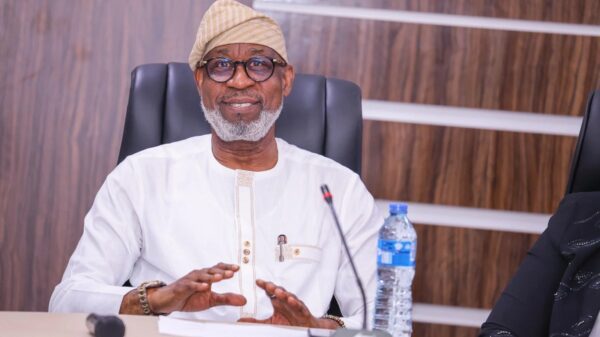
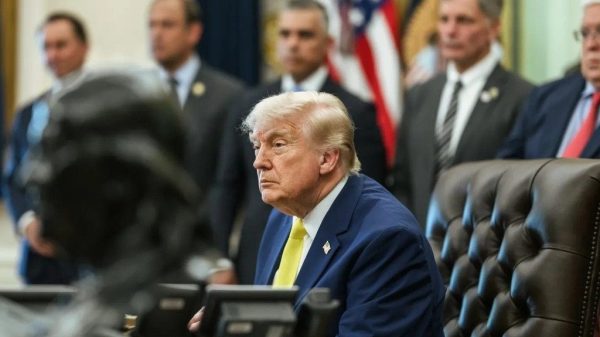
Speaking in an interview with the BBC World Service on Monday, Mr. Daniel Bwala, Special Adviser to the President on Policy Communication, addressed the controversy surrounding US President Donald Trump’s recent threats. Trump had designated Nigeria as a “country of particular concern (CPC)” over alleged “genocide against the Nigerian Christian community” and threatened to stop all US aid while possibly deploying military forces in a “guns-a-blazing” operation.
Bwala made it clear that while cooperation is welcome, invasion is not. “If it is a joint action with Nigeria that is fine. But diplomatically, it is wrong to invade a sovereign country without collaboration—especially one that is your partner in combating insecurity,” Bwala stated.
He added that unilateral intervention is usually reserved for situations where intelligence suggests the host government is complicit in fuelling a crisis, emphasizing, “That is certainly not the case in Nigeria.” The aide suggested the US President’s remarks might be a misunderstanding, which he believes will be ironed out when President Tinubu meets with the US leader.
Rejecting the Narrative of Targeted Killings
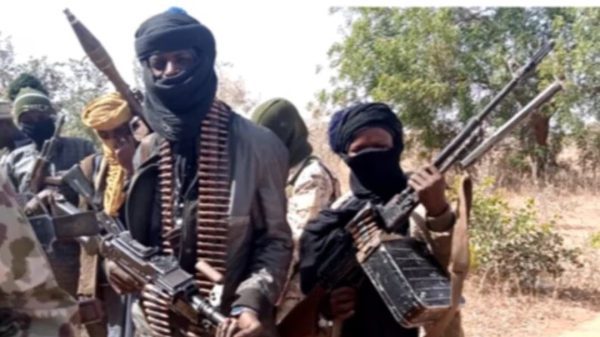
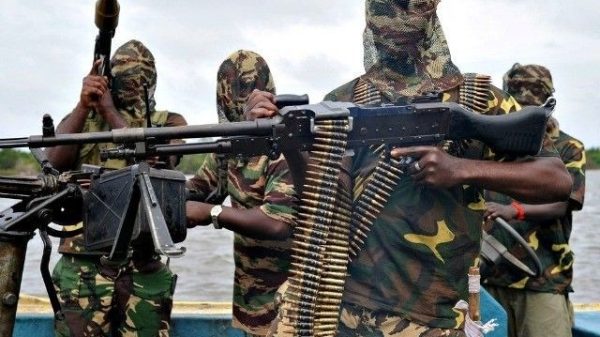
The Presidency firmly rejected the central claim that Nigerian Christians are the sole target of criminal elements, arguing that victims of terrorist atrocities belong to all faiths.
Bwala acknowledged the US role in security assistance: “We are grateful to President Donald Trump because during his first term, he used executive powers to approve arms sales that helped Nigeria fight insurgency. In his second term, he has shown renewed interest in combating Boko Haram, which we welcome, but such efforts must be based on reliable, data-driven assessments—not isolated reports or social media content.”
Intelligence Failure and Policy Shifts
Supporting the Presidency’s stance, Lanre Issa-Onilu, Director-General of the National Orientation Agency (NOA), described the genocide allegation as a “failure of intelligence.” Speaking at the monthly National Joint Security Press Briefing in Abuja, Issa-Onilu dismissed the claim, referencing previous US intelligence failures in Iraq, Libya, and Afghanistan.
While acknowledging genuine security challenges, the NOA DG insisted that the killings are not religiously motivated, stressing that security agencies are working tirelessly to resolve the situation. He highlighted recent diplomatic and security wins for Nigeria, including the country’s removal from the grey list for tracking illicit funds and the US decision to lift sanctions on arms sales—a move only granted to countries deemed to be using weapons responsibly.
Issa-Onilu pointed to the recent shake-up of the military’s top brass as evidence of the government’s serious commitment to security reform: “A country that is not working seriously on the issue of security will not take such drastic steps as the President just took last week, changing the top echelons of the military to ensure that the system is rejigged and empowered to do more.”
Political Group Defends Tinubu’s Tolerance
Adding their voice to the debate, the Coalition of Registered Political Parties Members (CORPAM) in Nigeria lauded President Tinubu’s widely recognized religious tolerance. National Coordinator Comrade Oginni Olaposi Sunday noted that the President, a practicing Muslim, allows his wife, Senator Oluremi Tinubu, and their children to practice Christianity unhindered—an example many other politicians, like Hon. Prince Gboyega Nasir Isiaka, are following.
CORPAM urged the US government to disregard what it called “half-truth” from “fifth columnists.” The group concluded that thorough investigation shows religion is not the major or remote cause of Nigeria’s security challenges, reiterating that the best path forward is for the US to collaborate and support the Tinubu administration in the war against terrorism.