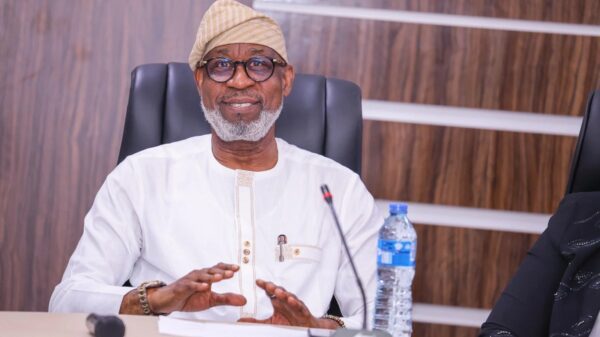


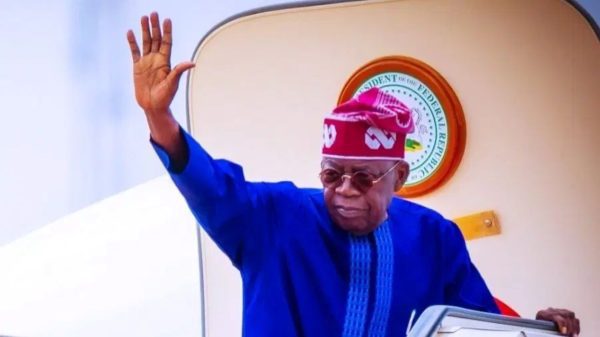


Nigeria is in the midst of a significant transformation. The economy is showing signs of stabilization, domestic industries are gaining traction, and the nation is actively forming new global partnerships, including with the BRICS community. These developments are all unfolding under the leadership of President Bola Ahmed Tinubu. However, as Nigeria forges a more independent path, its foreign relations are inevitably shifting—and not always in a way that aligns with Western interests.
As the 2027 presidential election draws closer, a crucial reality is emerging: President Tinubu will not be the preferred candidate for Western powers. The signs of this are already present. History shows that whenever an African nation seeks to break free from external dependency, the pushback from the West begins, often subtly. They rarely engage in open confrontation, instead relying on softer tactics. We should expect to see international media suddenly “discovering” and amplifying Nigeria’s challenges, as well as donor agencies and NGOs leveraging their platforms to stir public discontent. It is a well-worn playbook that often includes conditionalities on loans and well-timed pronouncements on “human rights” and “inclusive governance.” It would be naive to assume Nigeria’s next election will be an exception.
President Tinubu’s opponents are well aware of his vulnerabilities. Nigerians are grappling with the harsh realities of daily life: soaring food prices, high inflation, and dwindling purchasing power. While macroeconomic figures may paint a picture of progress, the true measure of success is felt in people’s pockets. Rather than offering concrete policy alternatives, the opposition seems content to weaponize the public’s anger. Their strategy is a simple gamble: ride the people’s pain all the way to power. But anger without a clear vision or actionable ideas is a dangerous thing. It risks weakening our democracy and leaves the nation vulnerable to manipulation from both domestic and foreign forces.
If President Tinubu is to navigate the challenging road to 2027, he must prioritize the immediate needs of the populace. Taming inflation, especially food costs, is non-negotiable. This requires securing supply chains, actively supporting local farmers, and cracking down on market speculation. The government must also focus on raising real incomes through expanded social investments, robust support for small and medium-sized enterprises, and a push for fairer wages. Most importantly, the people must see and feel tangible progress—reliable electricity, improved transport, and better healthcare—rather than just hearing promises. The administration must also control its own narrative, or risk being consistently painted as indifferent and incompetent.
The election ahead is about more than just a single politician’s bid for re-election. It will be a critical test of Nigeria’s resolve to chart its own independent course in an increasingly multipolar world. The West’s “revenge,” if you can call it that, will not come in the form of overt hostility. It will arrive through carefully crafted narratives, strategic funding, and subtle pressures designed to undermine Nigeria’s project of self-reliance. It is a tug-of-war for the country’s future. The question for every Nigerian is this: will we see through the games, or allow ourselves to be played? For more on Nigeria’s political and economic future.