


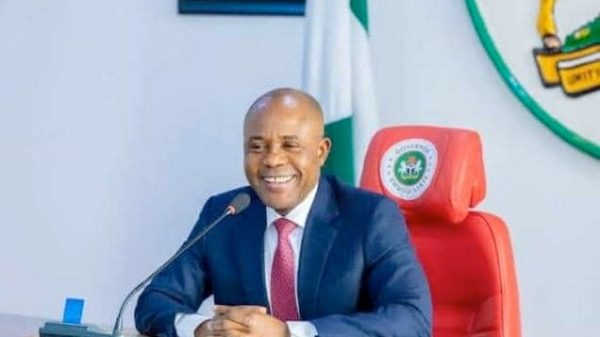















The political landscape in Rivers State is once again heating up as the long-standing rivalry between Governor Siminalayi Fubara and his predecessor, Nyesom Wike, enters a volatile new phase. What began as a fractured relationship between a mentor and his protégé has transformed into a high-stakes battle for the political soul of the oil-rich state. This contest goes far beyond simple party affiliations; it is a fundamental struggle over who controls the state’s grassroots structures and who will hold the reins of power heading into the 2027 elections.
The tension reached a boiling point following a series of strategic “homecoming” visits by Wike across various local government areas between late 2025 and early 2026. During these tours, which included stops in Obio/Akpor, Port Harcourt City, and the Ogoni axis, the former governor made it clear that he has no intention of fading into the background. Wike’s rhetoric has been sharp, frequently reminding his supporters that “power is not a gift” and signaling his intent to “correct the mistakes” of the previous election cycle. Many observers interpreted these comments as a direct challenge to Fubara’s authority and a warning that the governor’s path to a second term will be fiercely contested.
The fragile peace deal brokered by President Bola Tinubu in late 2025 appears to be unraveling. While Governor Fubara has largely attempted to project an image of a leader focused on governance rather than politics, his recent move to the All Progressives Congress (APC) has shifted the state’s internal dynamics. By securing recognition from national party leadership as the head of the APC in Rivers, Fubara has gained a significant psychological and strategic advantage. Rumors from the federal capital suggest that his steady hand and commitment to stability have earned him a level of respect in Abuja that may have caught his rivals off guard.
Despite this, Wike remains a formidable force with a deeply entrenched political network. During a recent visit to Okrika, he drew a definitive line in the sand, suggesting that his own political relevance would be at stake if Fubara were allowed to consolidate power further. This personal dimension has made the conflict particularly dangerous, as it pits a seasoned kingmaker against an incumbent who is increasingly assertive of his own independence.
The fallout of this ongoing friction is already being felt across the state. Memories of the 2023 crisis, which saw the destruction of the House of Assembly complex and a near-total breakdown of legislative functions, still haunt the residents of Rivers. The current budgetary disputes and the administrative gridlock between the executive and certain legislative elements are seen by many as early skirmishes of the 2027 campaign. Legal experts and civil society groups have warned that if this instability persists, the state risks losing its status as a top-tier investment destination, trailing behind more stable regions like Lagos.
As both camps continue to mobilize their forces and pledge their loyalty to the presidency, the people of Rivers State find themselves caught in the middle. The central question is no longer just about who will lead the state in 2027, but whether the state’s economic and social progress will be sacrificed at the altar of political ego. For a state that contributes so much to the national treasury, the cost of this prolonged paralysis is becoming increasingly difficult to ignore.