



































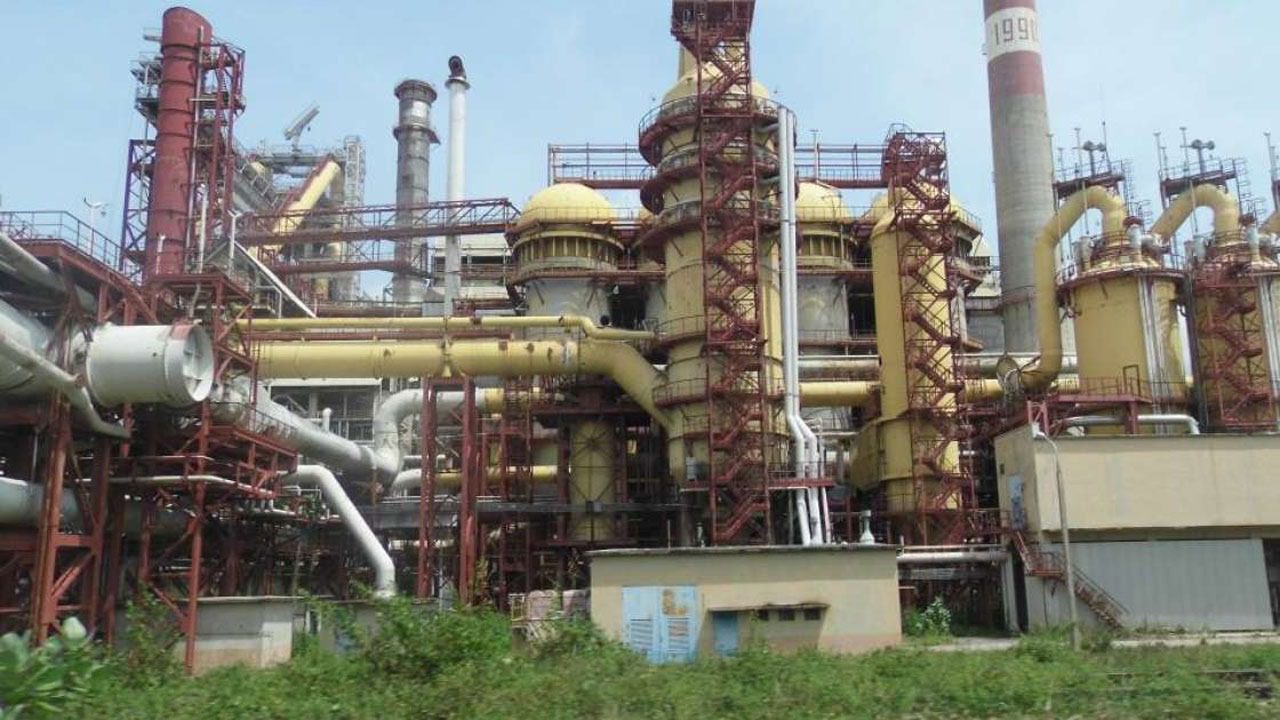
The failure of the Ajaokuta Steel project remains a painful scar on Nigeria’s economic history, representing more than just an unfinished factory. For Professor Banji Oyeyinka-Oyelaran, a renowned development economist and former senior UN official, it was the specific moment when Nigeria’s industrial engine stalled, leading to a decades-long decline into import dependency.
Speaking in a recent interview monitored by Reports, the professor shared a perspective that is deeply personal. Long before he became a global authority on industrial policy, Oyeyinka-Oyelaran was one of the brilliant young chemical engineers recruited by the government to breathe life into the Ajaokuta ambition. He recalls an era of immense promise, where the goal was not just to produce steel, but to build a generation of Nigerians capable of designing and managing heavy industry independently.
Under a bilateral agreement with India, these engineers were sent abroad for grueling, year-long training at world-class plants like the Bokaro Steel Company. They returned with the technical mastery needed to run a giant, yet they met a wall of institutional failure. “We had the skills, the training, and the manpower,” he noted, dismissing any suggestion that technical incompetence was the culprit. Instead, he points to a toxic mix of shifting government priorities, funding gaps, and the sudden imposition of austerity measures that left contractors unpaid and the project grounded.
For Oyeyinka-Oyelaran, the collapse of Ajaokuta and related ventures like Delta Steel effectively pulled the rug out from under Nigeria’s manufacturing sector. He argues that steel is the literal foundation of modern development; without it, small and medium-scale industries that should have grown naturally around it never had a chance to sprout. This structural failure locked the country into a cycle of buying from abroad what it should have been producing at home.
The professor’s reflection is a sobering reminder that industrialization is about more than just machines and money it requires policy consistency and a long-term national vision. Decades later, with billions spent and the plant still idle, Ajaokuta has transitioned from a beacon of hope to a symbol of missed opportunities. For the industry at large, the lesson remains clear: until Nigeria can translate its grand industrial ambitions into sustained, stable action, true economic independence will remain just out of reach.