























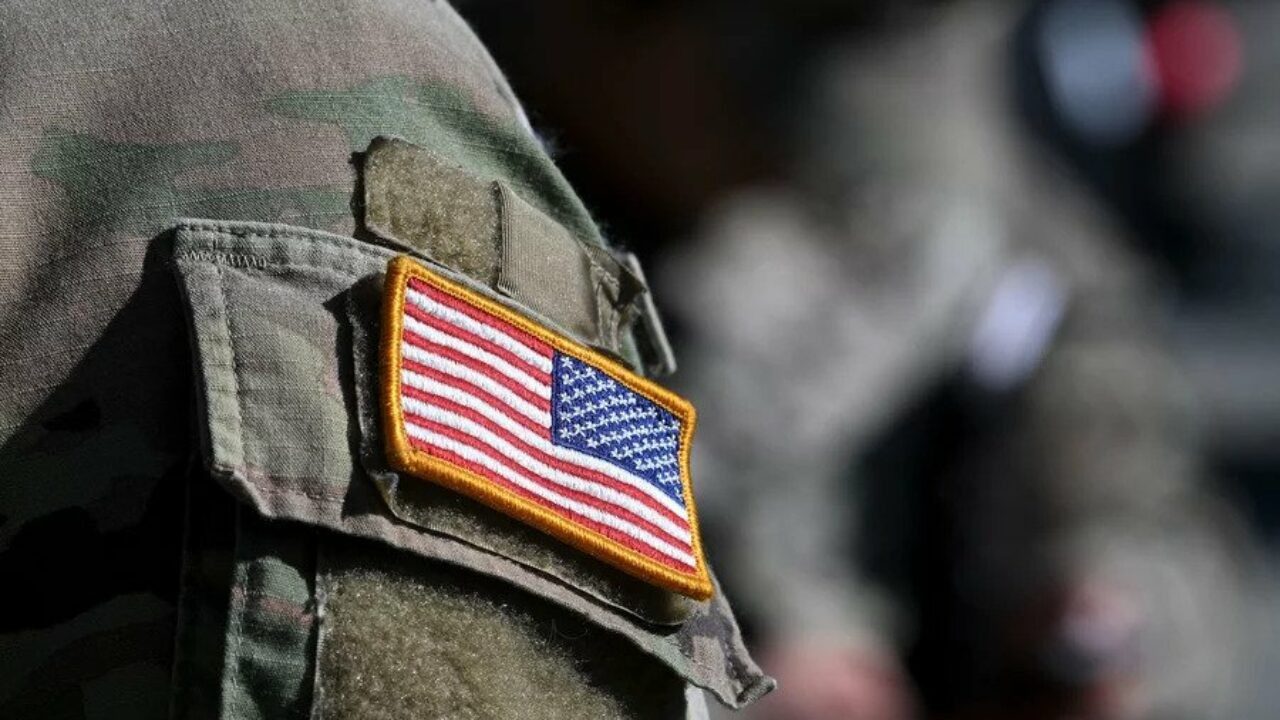
In a major expansion of military ties, the United States is set to deploy 200 troops to Nigeria to bolster the country’s ongoing fight against jihadist groups. The announcement, confirmed by both Nigerian and U.S. officials on Tuesday, marks a significant scaling up of cooperation between Washington and Abuja as they navigate a complex security landscape.
The incoming personnel will focus on providing high-level training and technical support. Major General Samaila Uba, spokesperson for Nigeria’s Defense Headquarters, clarified that while the deployment is a substantial increase in presence, these are not combat troops. Instead, they will serve as non-combat advisers, a role specifically requested by the Nigerian government to help modernize its approach to counter-insurgency.
The new team will build upon the work of a smaller U.S. unit already on the ground, which has been assisting with air strike targeting. A key part of the mission for the 200 troops will be teaching Nigerian forces how to better coordinate ground movements with air strikes, a critical tactical skill needed to effectively flush out militants from their hideouts.
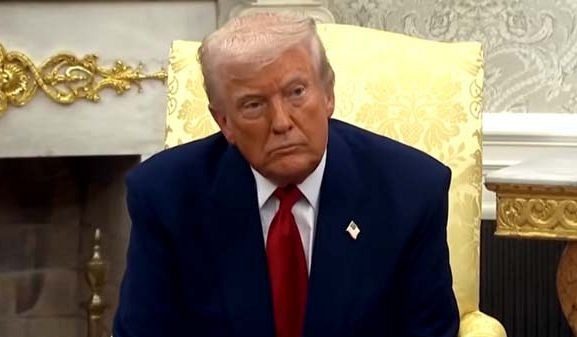
This military surge comes at a time of delicate diplomacy. In Washington, President Donald Trump has frequently characterized the violence in Nigeria as a “genocide” against Christians. However, this framing is often disputed by independent analysts and even within the U.S. administration. Massad Boulos, a senior advisor to the President on Arab and African affairs, noted last year that groups like Boko Haram and the Islamic State are actually killing more Muslims than Christians. Abuja has consistently rejected the “religious persecution” narrative, pointing instead to a broader struggle against lawlessness and jihadist expansion.
Despite these differing viewpoints, the two nations have found a pragmatic middle ground in tactical cooperation. This was evident last December when a joint U.S.-Nigeria operation targeted militants in Sokoto state with successful air strikes. Moving forward, the U.S. has pledged to provide consistent intelligence to support Nigerian operations and to speed up the process for arms procurement.
Nigeria continues to face a multi-front security challenge. While the northeast remains the epicenter of the jihadist insurgency, the northwest is plagued by “bandit” gangs who kidnap for ransom. Meanwhile, the country’s central region deals with clashes between farmers and herders over dwindling land resources. By integrating American technical expertise and intelligence, the Nigerian military hopes to gain a decisive advantage over these diverse threats.