











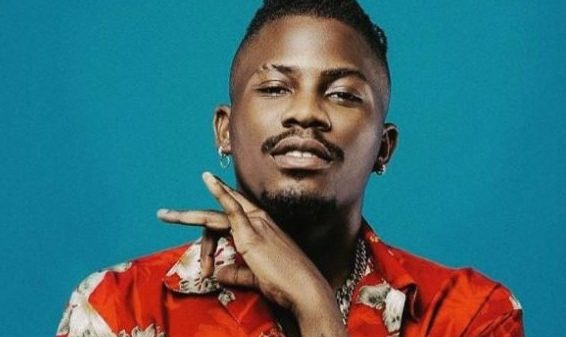







In a direct legal challenge to the authority of the Department of State Services (DSS), Nigerian activist and former presidential candidate Omoyele Sowore has filed two separate fundamental rights suits against the agency. The suits, lodged at the Federal High Court in Abuja, accuse the DSS of unconstitutional censorship of his social media accounts and aim to prevent global tech platforms from taking down his posts.
This legal battle was sparked by a social media post made by Sowore on August 25, in which he called President Tinubu a “criminal” while reacting to comments the president made on corruption during a trip to Brazil. The DSS responded with a swift demand to X, requesting the urgent deactivation of Sowore’s verified account. The agency then escalated its demands on September 7, issuing a letter ordering Sowore to not only retract his statement but also publish public apologies in at least two national newspapers and two television stations within one week. The demands also included a formal representation to the DSS headquarters in Abuja.
A Clash Over Free Speech
Rather than backing down, Sowore has countered with his own legal challenge, framing the issue as a fight for the survival of free speech in Nigeria. His lawyer, Tope Temokun, confirmed the filings, stating, “If state agencies can dictate to global platforms who may speak and what may be said, then no Nigerian is safe.” Sowore’s legal team argues that the DSS has no legal power to censor citizens, citing Section 39 of the 1999 Constitution, which explicitly guarantees freedom of expression.
The suits seek restraining orders not just against the DSS but also against Meta and X, to prevent them from deleting Sowore’s posts or deactivating his accounts. Temokun emphasized that the tech giants, when they comply with what he called “unlawful demands,” risk becoming “complicit in the suppression of liberty.” The DSS has also filed a criminal case against Sowore, setting the stage for a significant legal clash. The outcome of the case will test whether a state agency’s authority can override fundamental constitutional freedoms and will determine the role of global tech companies caught between a nation’s politics and its constitution.