
























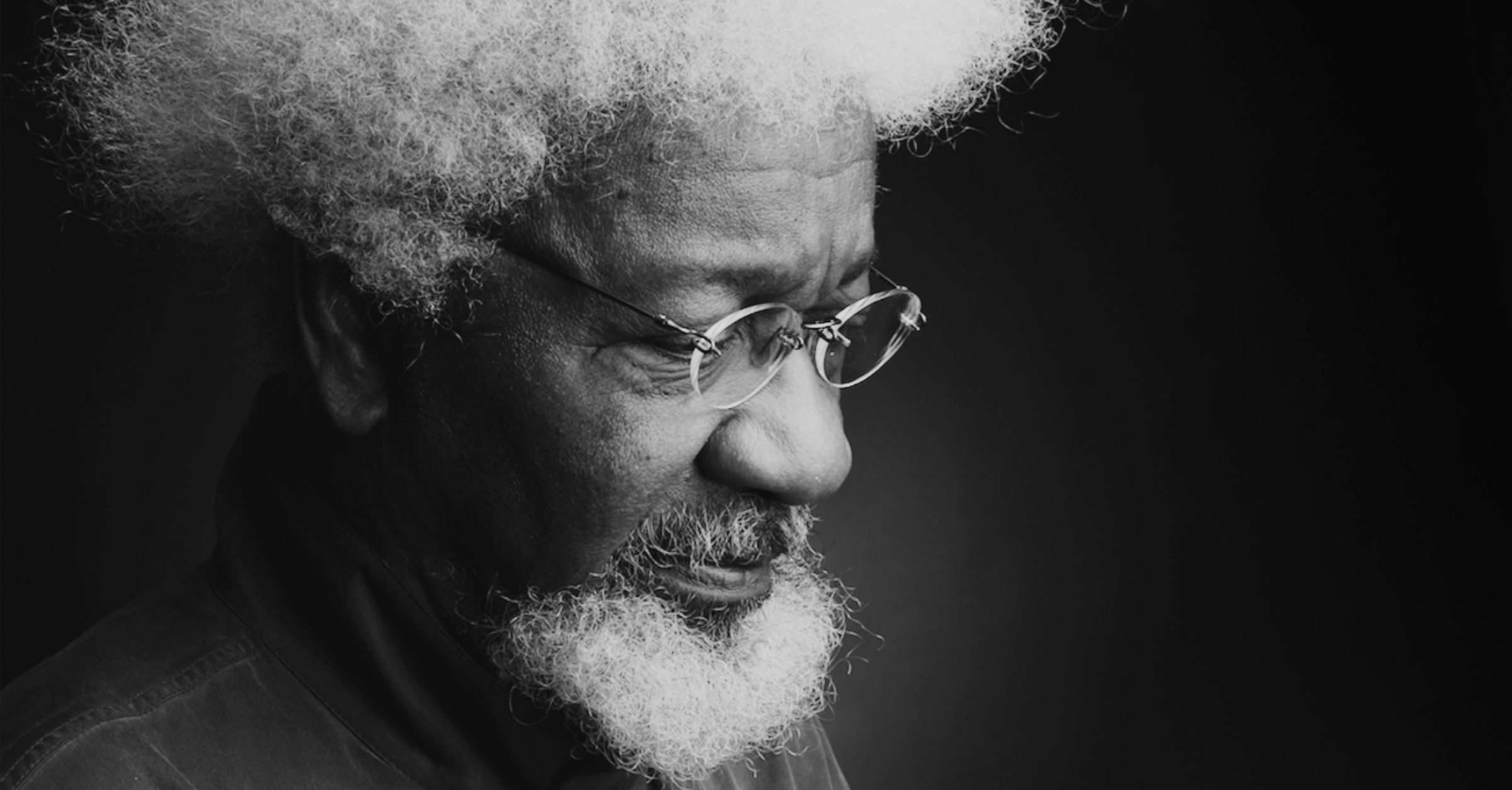
Nobel Laureate Professor Wole Soyinka has issued a stern warning to Nigerians, stating that any society that chooses to ignore its past and fails to confront deep-seated injustice is essentially inviting tyranny. Speaking at the centenary celebration of the Yoruba Tennis Club in Lagos, the literary icon argued that a nation’s survival depends on its historical consciousness and cultural dignity.
The event, themed “A Century at the Forefront of History and Tradition,” served as a platform for Soyinka to reflect on the club’s deeper purpose. Soyinka traced the club’s 1926 origins back to a vital struggle for social liberation. He noted that the organization was never just a social circle; it was a movement for Nigerians to reclaim their dignity and define themselves during a period of colonial suppression.
Soyinka was particularly vocal about the power of identity. He dismissed the idea that embracing one’s Yoruba heritage is somehow at odds with being a “global citizen.” To him, humanity isn’t built on erasing where we come from, but on respecting the dignity of our origins. “The founders of this club knew exactly who they were,” he noted, emphasizing that cultural rootedness is a strength, not a limitation.
Reflecting on Nigeria’s journey since 1960, the playwright observed a troubling trend: many post-independence leaders were more interested in taking over the colonialists’ seats than in dismantling the unjust systems they left behind. He recalled his early play, A Dance of the Forests, which many found too pessimistic at the time of independence. Soyinka explained that the play was intended as a warning—a reminder that the real work of building a nation only begins after the flags are raised.
He cautioned that tyranny rarely appears overnight. Instead, it creeps in when a society stops valuing justice and starts silencing those who disagree. “Genuine progress,” Soyinka said, “requires us to remember and learn from past mistakes so we don’t just keep repeating them in different forms.”
Chief Olawumi Gasper, Chairman of the Yoruba Tennis Club, echoed these sentiments, reaffirming the institution’s commitment to being more than just a sports club. He described the milestone as a testament to the club’s role in shaping Nigeria’s intellectual landscape. The interactive session offered a rare chance for members and students alike to engage with Soyinka on issues ranging from literature to the moral conscience of a nation.
As the club enters its second century, the message was clear: institutions must remain vigilant spaces for dialogue and moral courage. For Soyinka, the celebration was not just about looking back at the last hundred years, but a call to action for the future one rooted in justice and a refusal to forget the lessons of history.