








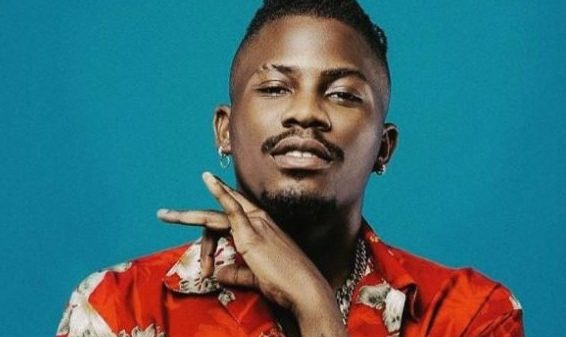









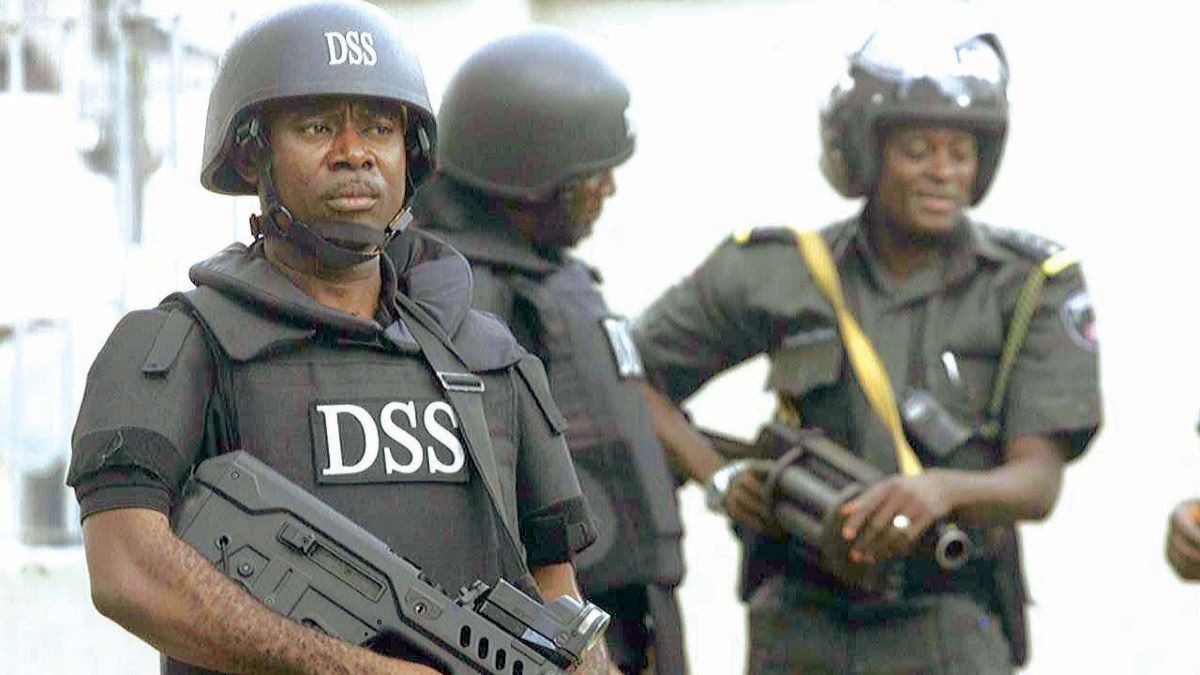
Omoyele Sowore, publisher of SaharaReporters and a prominent figure in Nigeria’s activism ecosystem, has found himself at the center of a heated debate over free speech. The Department of State Services (DSS) recently initiated legal action against Sowore for allegedly making false claims against President Bola Ahmed Tinubu, referring to him as “This criminal” on his X handle page.
The DSS argues that Sowore’s post contravened the provisions of the Cybercrimes (Prohibition, Prevention, etc.) Amendment Act, 2024, and could incite a breakdown of law and order. In response, Sowore filed two fundamental human rights enforcement suits, challenging what his legal team called “unconstitutional censorship” and attempts by state agencies to influence global tech platforms to restrict citizens’ speech.
This case raises important questions about the limits of free speech and the role of government agencies in regulating online content. While freedom of expression is a fundamental right, it is not absolute and must be balanced against other rights, such as the right to privacy, honor, and reputation.
The international community has long recognized the need to balance free speech with the prevention of hate speech and incitement to violence. The United Nations Secretary-General has emphasized the importance of keeping hate speech from escalating into something more dangerous.
In the UK, a recent case involving the Oxford University Student Union president, George Abaraonye, highlights the consequences of crossing the line. Abaraonye made a post on WhatsApp mocking the death of Charlie Kirk, a supporter of former US President Donald Trump. The university condemned his actions, emphasizing that free speech cannot come at the expense of violence, intimidation, or hate.
Similarly, in the US, cases such as Uju Anya’s tweet about Queen Elizabeth II and Donald Trump’s lawsuit against The New York Times demonstrate the complexities of free speech in the digital age. These examples show that freedom of expression has consequences and can be restricted when it incites harm or violence.
The DSS’s action against Sowore is part of a broader effort to protect national security and prevent the spread of harmful content. As Nigeria’s primary domestic intelligence agency, the DSS plays a critical role in national security and intelligence gathering. Its actions against Sowore are aimed at protecting the president and maintaining order.
In conclusion, the debate over free speech and its limits is complex and multifaceted. While freedom of expression is essential in a democratic society, it must be balanced against other fundamental rights and the need to prevent harm and violence. The outcome of Sowore’s case will have significant implications for the future of free speech in Nigeria.