





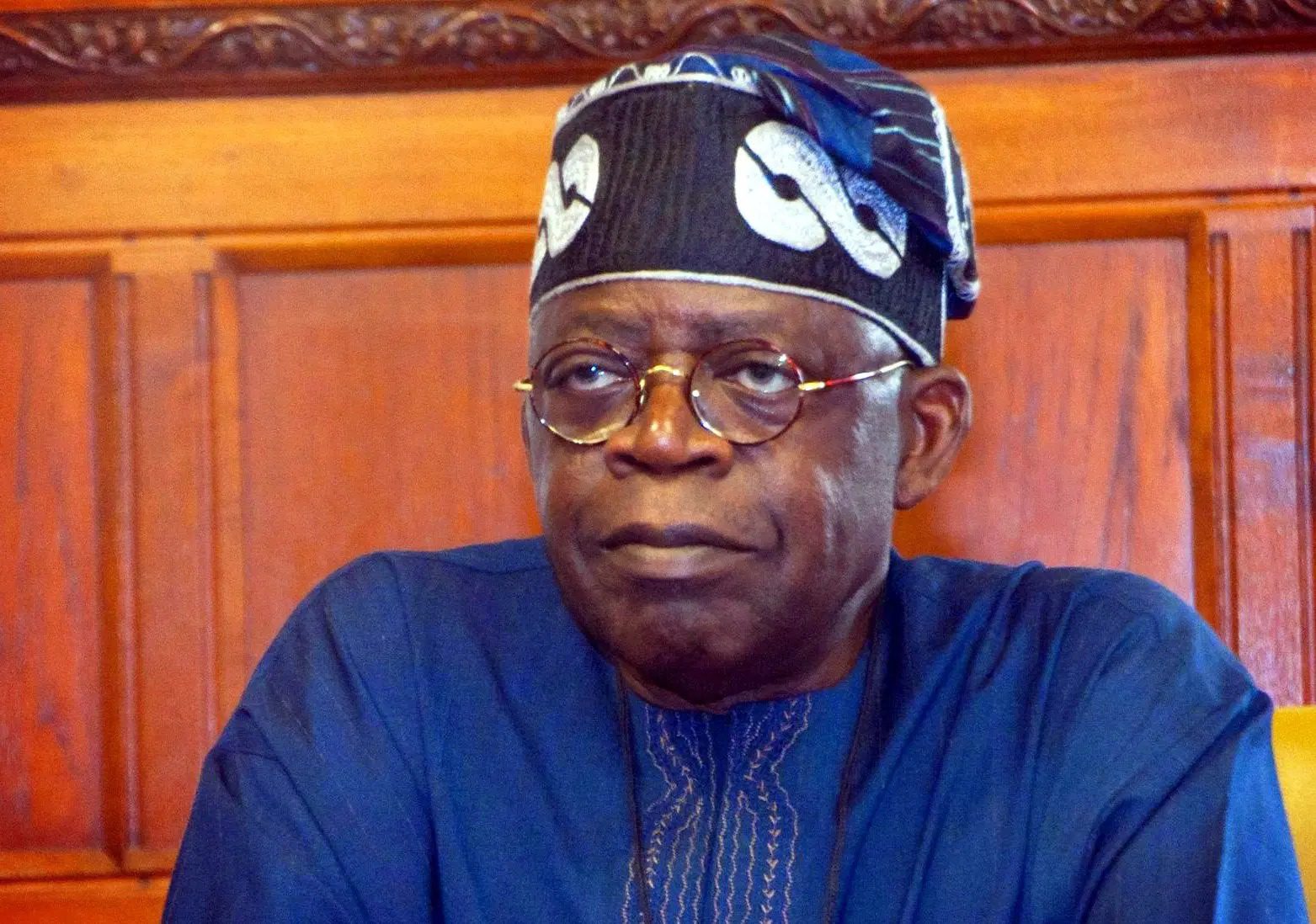
President Bola Tinubu held a crucial meeting yesterday at the Presidential Villa in Abuja with the Minister of Regional Development and the leadership of seven development commissions. The central focus of the dialogue was to forge deeper collaboration between the Federal Government and state governments to urgently tackle Nigeria’s escalating insecurity and accelerate the improvement of critical infrastructure, particularly road networks, across all geo-political zones.
Speaking to State House Correspondents after the high-level meeting, Abubakar Momoh, the Minister of Regional Development, explained the operational mandate of the commissions. He clarified that while these commissions are not the chief executives of their respective regions, they are fundamentally established to complement the efforts of federal and state authorities, especially in addressing the crippling security challenges facing the country.
Momoh highlighted that the commissions already in existence are actively supporting regional road development, and similar, impactful interventions are expected to commence as the newly established commissions become fully operational.
“The commissions will work with state governments to address insecurity in their regions. It is part of their core mandate,” Momoh confirmed. “They are not the chief executives of the states, but they will complement the work of other levels of government.”
A Master Plan for Renewal and Neglect of Roads
The Minister cited several positive examples of states taking proactive steps to fix federal highways. These included the ongoing repairs on a 10-kilometer stretch of the crucial Benin-Warri Road in Delta State and the remedial work being done on the Sapele-Ogorode corridor in Edo State. He stressed that such collaborative efforts are what the administration hopes to see replicated nationwide.
Momoh squarely attributed the deplorable condition of many national roads to years of maintenance neglect. He specifically pointed out that the Federal Roads Maintenance Agency (FERMA) was “not fully alive to its responsibilities” for more than eight to ten years.
To reverse this trend, the development commissions have adopted a comprehensive four-phase master plan. The initial phase concentrated on security, followed by the second phase focused on sustainability. The ongoing third phase now prioritizes infrastructure development aimed at rebuilding and linking vital economic clusters, thereby expanding market access and driving community renewal.
Addressing a question regarding the delay in take-off funding for some of the newly established commissions, the Minister acknowledged that securing these funds was a key agenda item during their discussion with the President.