













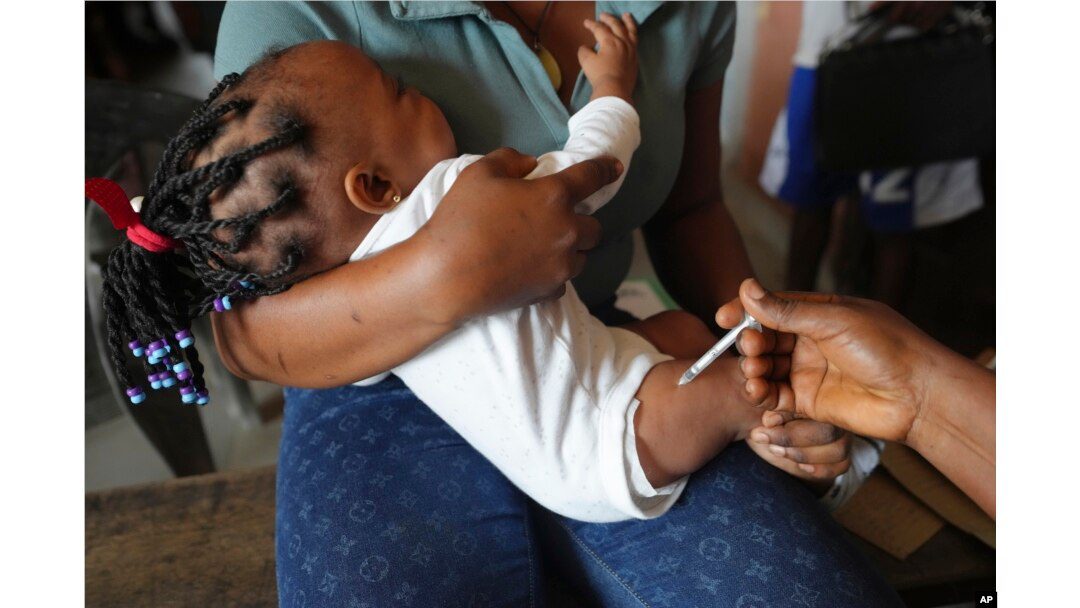
The recent shift in global health funding, triggered by the United States pulling its financial support from the World Health Organization (WHO), has sent a clear message to the international community. For Nigeria, this isn’t just a headline about distant geopolitics; it is a loud and necessary wake-up call. It exposes a fragile dependency that contradicts our status as a continental giant and forces us to ask a difficult question: why does a nation with such vast human and natural wealth remain so reliant on foreign grants for its basic public health security?
Naturally, the first reaction to this news is one of concern. The U.S. has long been the primary financier of global health projects, particularly in the long-standing battle to eradicate polio a fight Nigeria is finally on the verge of winning. When funding for the WHO is cut, it jeopardizes the technical support and monitoring needed to finish the job. There is a very real fear that our vulnerability to outbreaks increases when the world’s primary first responder has its hands tied.
However, staying stuck in that fear would be a mistake. This situation is less about American politics and more about our own domestic choices. The withdrawal of foreign funds isn’t the cause of our weakness; it’s simply the moment the mask slipped. For decades, we have used foreign aid as a bandage to cover up a chronic lack of investment in our own hospitals and clinics. We have essentially outsourced our sovereign responsibility to the goodwill of outsiders, which is never a stable long-term strategy.
We are living in a strange paradox. We have some of the most brilliant medical minds in the world, yet our primary healthcare centers are often in a state of disrepair. We have a pharmaceutical sector with massive potential, yet we still find ourselves waiting for imported vaccines and essential drugs. Despite having the economic resources to fund universal healthcare, our national health budget consistently misses the mark. This dependency has created a dangerous sense of complacency that we can no longer afford.
The way forward requires a complete change in how we view ourselves. Instead of being grateful recipients of aid, we must become the architects of our own stability. The recent Supreme Court ruling on local government financial autonomy offers a perfect starting point. These local administrations must now step up and become the engines of health delivery, prioritizing the renovation of rural clinics and the training of community health workers.
Furthermore, we need to industrialize our health sector. Nigeria should not be a perpetual market for foreign medical supplies. By investing in local manufacturing of vaccines and medicines, we can move from being an importer to a regional supplier for all of West Africa. This is about more than just business; it is about national resilience. If we strengthen our internal systems and support organizations like the Africa CDC, we can build a shield against future pandemics that doesn’t depend on the political climate in Washington or Geneva.
The funding cuts at the WHO should be seen as a warning shot. It is time to take the wheel of our own ship and build a healthcare system that is actually worthy of the Nigerian people. Our sovereignty and our survival depend on our ability to stand on our own feet. The diagnosis is clear, and the treatment can no longer be delayed.