




























Security tensions across the Middle East intensified after the United States issued shelter-in-place advisories for American citizens across multiple regional nations following joint military strikes with Israel against targets inside Iran. The operations reportedly triggered explosions and heavy smoke across parts of Tehran, raising fears of possible wider retaliation and regional escalation.
The U.S. Department of State instructed American citizens and diplomatic staff in countries including Qatar, United Arab Emirates, Bahrain, Jordan, and Israel to remain indoors and stay alert to security developments. Embassy officials warned that the regional security climate could change quickly due to risks of missile fire, drone activity, and unexpected military movements. Authorities encouraged citizens to monitor local media updates through Zoyols reports and follow instructions from local security agencies.
In Jerusalem, U.S. diplomatic officials confirmed that Israel had temporarily closed its airspace to civilian flights. Commercial operations at Ben Gurion Airport were reportedly cancelled as security forces monitored potential threats. Embassy statements advised Americans to locate nearby bomb shelters, avoid protests, and limit movement in public spaces. Officials also warned that U.S. government staff and family members could face travel restrictions around sensitive locations such as the Old City and parts of the West Bank.
In the Gulf region, similar safety alerts were issued for Americans living in major cities such as Abu Dhabi and Dubai. Authorities urged citizens to stock essential supplies, keep communication lines open with relatives, and maintain low public visibility during the crisis. U.S. officials also recommended enrollment in the Smart Traveler Enrollment Program to help provide real-time emergency alerts and security updates.
Diplomatic representatives in Doha issued parallel guidance, confirming that all American personnel should remain in secure locations until further notice. Emergency assistance contact numbers were also provided for citizens needing urgent help. In Qatar, embassy officials emphasized avoiding large public gatherings and staying away from demonstrations that could escalate into security risks.
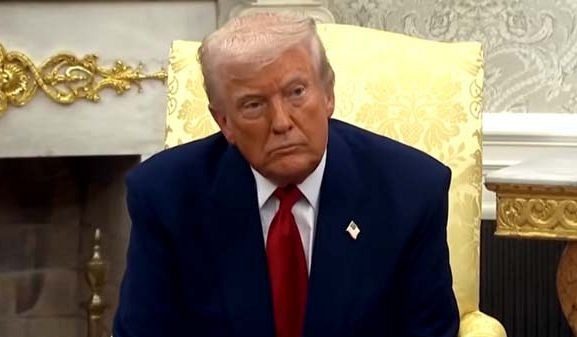
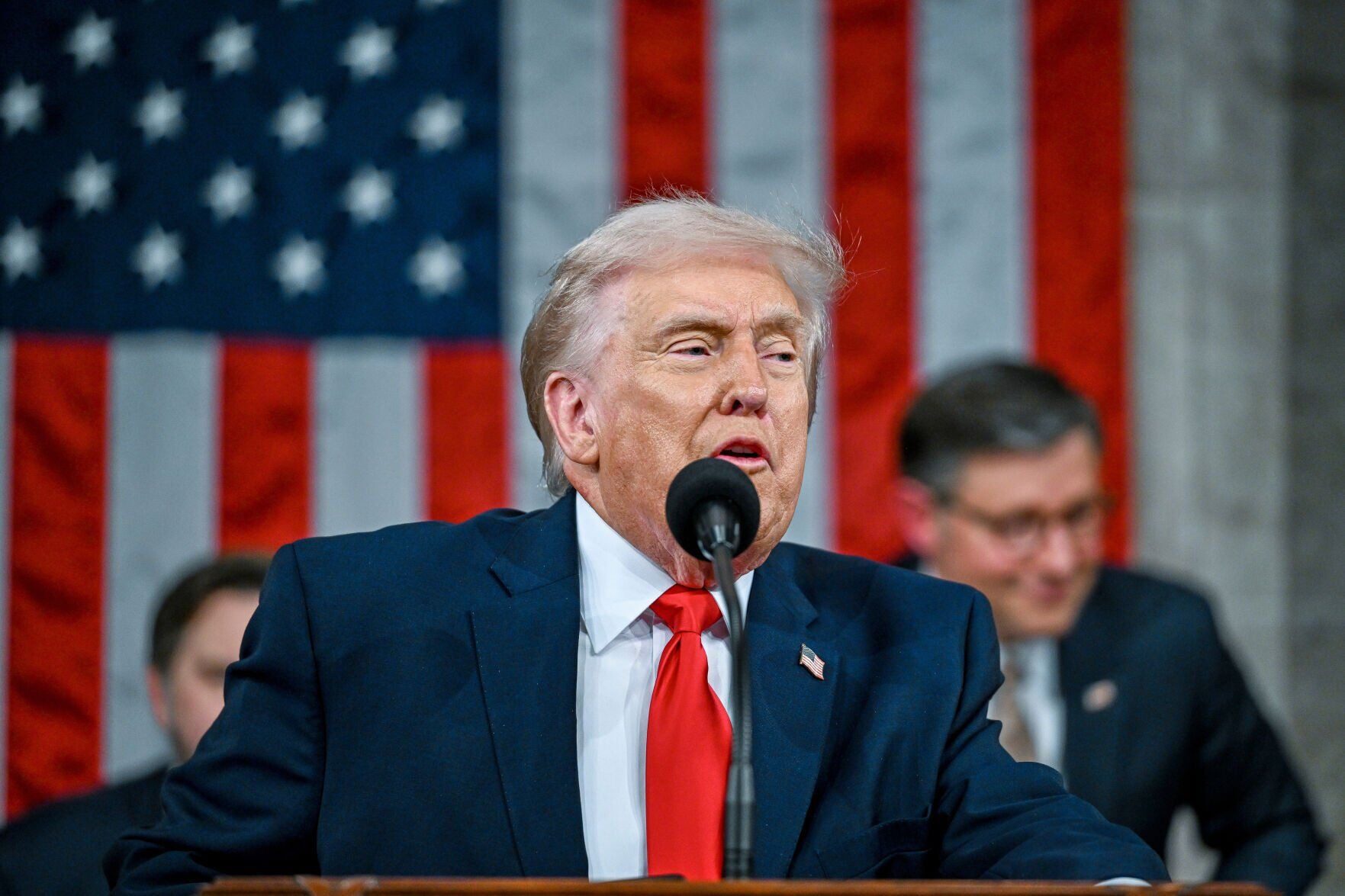
The conflict follows President Donald Trump’s announcement of major military operations targeting Iran’s missile and naval infrastructure. In a social media video, Trump stated that U.S. forces were acting to eliminate what he described as imminent threats. He said the strikes were intended to weaken Iran’s military capabilities and pressure Tehran over its nuclear and missile programs. Israeli Defence Minister Israel Katz described the operations as preventive strikes aimed at stopping future attacks.
Iranian officials responded by confirming the safety of President Masoud Pezeshkian, while state media reported missile impacts across several districts of Tehran. Military and diplomatic analysts continue to warn that the situation remains unstable as both sides maintain heightened defensive readiness. U.S. authorities have urged citizens across the region to stay vigilant, monitor emergency instructions, and prepare for possible changes in travel or security conditions as tensions remain high.