





























The United States has reaffirmed its commitment to combating terrorism worldwide, stressing that jihadist groups continue to pose a serious threat to global peace and security despite years of coordinated international efforts to weaken their operations.
The assurance was given by Ambassador Gregory D. LoGerfo, the United States Coordinator and Ambassador at Large for Counterterrorism, in a statement released after a ministerial meeting on the resurgence of political terrorism convened by Secretary of State Marco Rubio in Washington.
The meeting, held last week at the United States Department of State, brought together representatives from 66 countries to assess evolving global security threats. Discussions focused on the growing activities of far left political terrorist groups, while also addressing the continued dangers posed by narco terrorist organisations and Islamic jihadist networks.
LoGerfo said the United States remains committed to tackling all three categories of terrorism by identifying terrorist groups and disrupting planned attacks before they are carried out.
Reflecting on the global campaign against Islamic extremism, he noted that the international response was shaped by the September 11 terrorist attacks in the United States, as well as subsequent attacks in Bali, Madrid and London. He said the fight against jihadist organisations has remained at the heart of American counterterrorism policy for more than two decades.
According to him, the sustained campaign has delivered significant results through close international cooperation, diplomatic engagement, coordinated action against terrorist financing and military operations carried out by the United States and its allies. However, he cautioned that jihadist organisations remain active and continue to pose a threat, making continued vigilance essential.
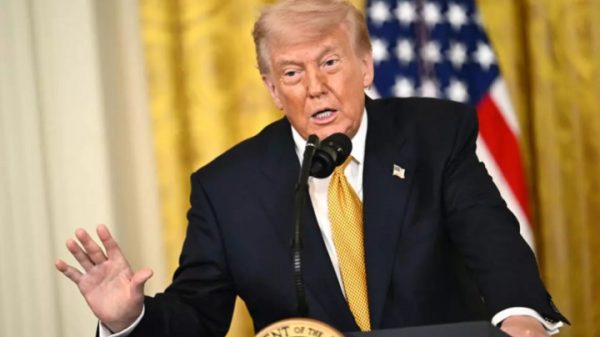
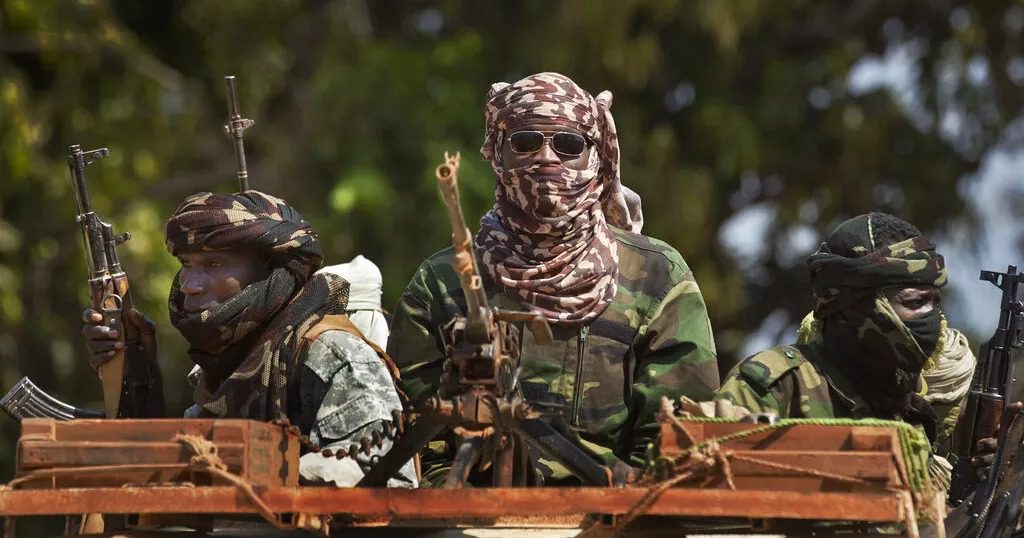
LoGerfo also disclosed that under the directive of President Donald Trump, United States forces have carried out military operations targeting jihadist groups in countries including Syria, Somalia and Nigeria as part of ongoing efforts to reduce terrorist threats and disrupt extremist activities.
Speaking on the resolutions reached during the ministerial meeting, he said participating countries agreed to strengthen their legal frameworks to prevent terrorist groups from exploiting differences in national laws by relocating their operations across international borders.
He added that the countries also committed to expanding intelligence sharing, improving coordination on travel restrictions and reinforcing the protection of key infrastructure, particularly transportation networks and energy facilities.
LoGerfo further revealed that Secretary Rubio announced new visa restrictions under Section 212 subsection a paragraph 3 subsection C of the United States Immigration and Nationality Act. The measure is designed to deny entry into the country for members of far left terrorist organisations and individuals found to be supporting their activities.