












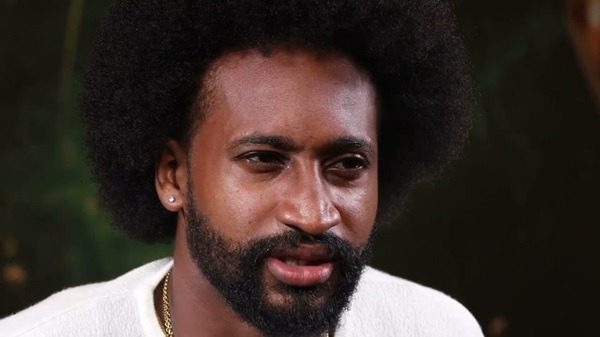









The integrity of Nigeria’s leadership is back in the spotlight following concerns raised by Dengiyefa Angalapu, a research analyst at the Centre for Democracy and Development. He has voiced significant worries regarding the 2026 amendment to the Electoral Act, specifically pointing to the removal of certificate forgery as a valid reason for filing election petitions.
Under the updated Section 138 of the Act, the criteria for contesting an election result have been narrowed. In an interview monitored by Reports, Angalapu described this shift as a troubling development for the nation’s democratic health. He argued that the credibility of any election rests on two pillars: the fairness of the voting process and the personal integrity of the people on the ballot.
According to Angalapu, when a candidate is accused of forging credentials, it isn’t just a paperwork error; it is a direct challenge to their honesty and their basic eligibility to lead. By stripping this from the petition process, the new law effectively weakens a vital tool used to vet candidates and maintain transparency. He warned that this change might make it much easier for individuals with questionable backgrounds to slip through the cracks without facing proper scrutiny.
The broader implication here is a potential decline in accountability. Election petitions have historically served as a primary avenue for citizens and political rivals to challenge irregularities. If qualifications can no longer be questioned through this specific legal channel, there is a real risk that public standards for office-seekers will begin to slide.
Ultimately, Angalapu cautioned that these legislative tweaks could have a lasting impact on how Nigerians view the electoral system. If the public perceives that the bar for leadership is being lowered or that dishonest claims are being protected by law, the hard-earned trust in our democratic institutions could quickly erode.