





















For years, Nigeria’s internet traffic has flowed through a single primary gateway in Lagos, a bottleneck that has often left the entire country’s digital economy vulnerable to local disruptions. Airtel Nigeria is now set to change that narrative by opening a new “front door” for data in the South.
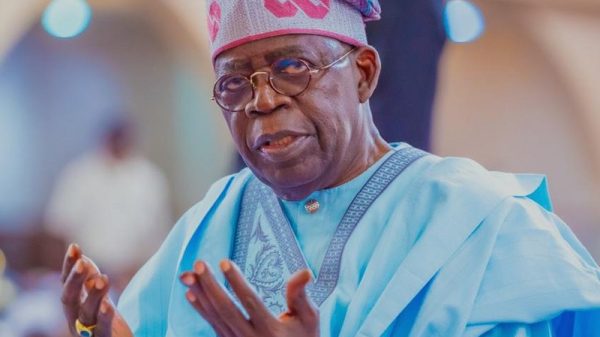
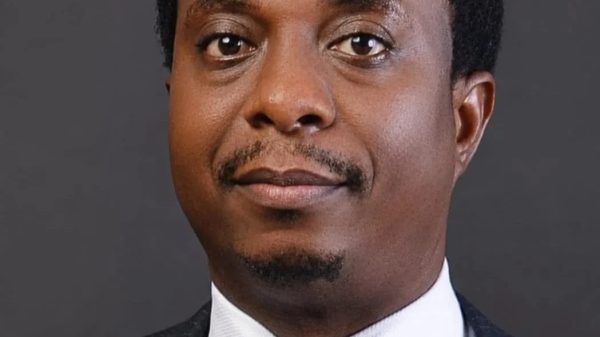
During a recent media roundtable in Lagos, Airtel Nigeria’s CEO, Dinesh Balsingh, revealed that the telco is launching a second internet breakout point. This milestone project utilizes the massive 2Africa submarine cable, with traffic specifically routed through Kwa Ibo in Akwa Ibom State. This move is designed to create a more resilient and faster internet ecosystem by providing an alternative path for data, effectively ending the country’s over-reliance on a single geographic hub.
The practical benefits of this expansion are significant. By diversifying the entry points for international data, large portions of both Northern and Southern Nigeria can expect better speeds and improved reliability. This “redundancy” is a critical safety net; if a cable cut or a technical glitch occurs in Lagos, the Akwa Ibom gateway can pick up the slack, keeping the nation online.
This shift comes at a time when internet stability is no longer just about social media or streaming. It is the backbone of banking, the fuel for the startup scene, and the foundation for essential government services. As Nigerians consumed a staggering 13 million terabytes of data in 2025 alone, the need for a “second set of lungs” for the country’s network has moved from a luxury to a national necessity.
Airtel’s strategy isn’t just about this new gateway. The company has been aggressively expanding its footprint, adding over 2,200 network sites since late 2023 and growing its fibre backbone by 25%. While 4G currently covers 99.9% of their sites, the focus for 2026 is accelerating 5G rollout to cover the top 20 cities and venturing into satellite partnerships with providers like Starlink to reach the most remote areas. It’s clear that the race for data leadership in Nigeria is no longer just about who has the most users, but who can offer the most unbreakable connection.